

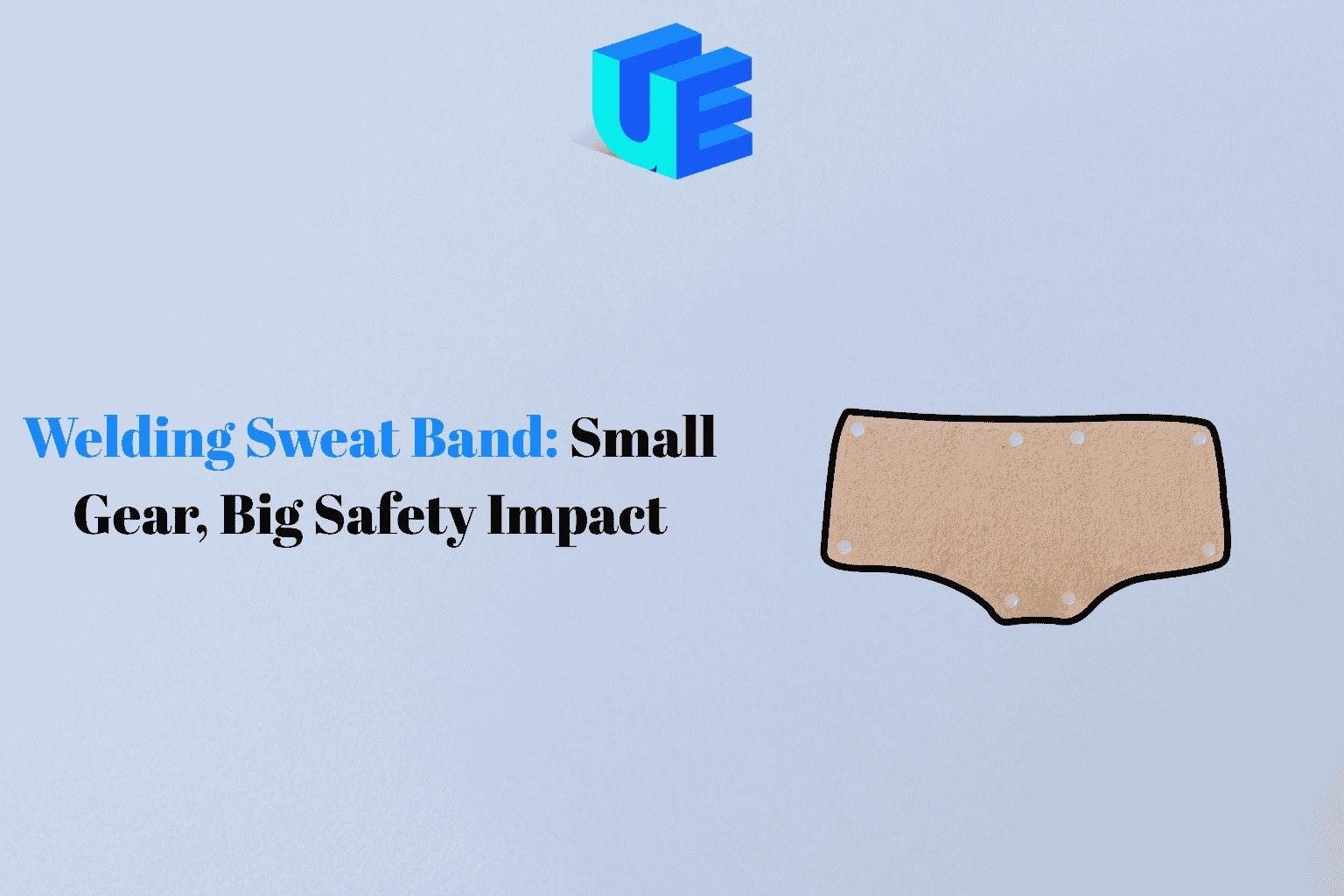
In hot workshops and demanding job sites, a welding sweat band might seem like a small detail, but it plays a surprisingly big role in comfort, focus, and safety. Welders often work in high-heat environments where protective helmets trap warmth and moisture. Without proper sweat control, vision becomes blurred, irritation increases, and concentration drops — all of which can lead to mistakes.
This is where well-designed sweat bands, especially those made from breathable materials and used as part of broader safety apparel, make a real difference. In the world of COTTON WELDING ACCESSORIES, simple gear like sweat-absorbing headbands often helps professionals stay safer and more productive throughout long shifts.
This guide breaks down why sweat bands matter, how they fit into overall Welding accessories, and what experienced workers have learned from using them in real-world conditions.
Why Sweat Control Matters More Than You Think
When people think about welding safety, they usually picture helmets, gloves, and protective jackets. But sweat management is rarely discussed — even though it affects:
- Vision clarity
- Grip control
- Focus during precision tasks
- Skin comfort under the helmet
- Risk of irritation and distraction
In real-world work settings, especially in high-temperature environments, sweat can drip into the eyes or onto lenses. That momentary distraction can be enough to cause a poor weld, a burn, or a misstep.
A sweat band helps prevent these issues before they start.
What Is a Welding Sweat Band?
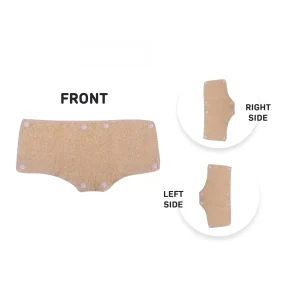
A welding sweat band is a simple but purposeful headband worn inside a welding helmet. It’s designed to absorb perspiration and keep moisture from reaching the face or eyes.
Common Features
- Soft, breathable material
- High absorbency
- Comfortable fit under helmets
- Washable and reusable
Many professionals prefer cotton-based SWEAT BANDS because they balance comfort and durability without causing skin irritation.
How Sweat Bands Support Safety
A sweat band may not look like traditional safety gear, but it contributes directly to workplace safety in several ways.
- Keeps Vision Clear
Sweat dripping into the eyes can:
- Blur vision
- Cause reflexive head movements
- Lead to missed weld lines
By absorbing moisture at the source, a sweat band helps maintain visibility.
- Improves Concentration
Discomfort is distracting. When sweat builds up under a helmet, welders tend to:
- Adjust gear frequently
- Wipe their face mid-task
- Break focus
A simple sweat band reduces these interruptions.
- Supports Skin Comfort
Constant moisture against the skin can lead to:
- Irritation
- Chafing
- Rashes
Soft cotton-based bands help reduce friction and keep skin dry during long shifts.
- Complements Other Safety Apparel
A sweat band works best as part of a full protective system that includes:
- Helmets
- Gloves
- Jackets
- Eye protection
Together, these pieces create a more controlled and comfortable working environment.
For a deeper understanding of how essential protective gear works together, see this helpful guide on Safety Gear.
Why Cotton Is a Popular Choice
Among COTTON WELDING ACCESSORIES, sweat bands stand out because cotton naturally:
- Absorbs moisture effectively
- Allows airflow
- Feels soft on the skin
- Handles repeated washing
In high-heat environments, synthetic materials can trap heat. Cotton offers a balance between comfort and performance, especially during long work hours.
Real-World Use Cases
Long Shifts in Hot Workshops
Welders working 8–12 hour shifts often deal with constant heat buildup. Sweat bands help maintain comfort over time, reducing the need for frequent breaks.
Outdoor Welding Jobs
In outdoor settings, especially in warm climates:
- Sun exposure increases perspiration
- Helmets trap heat
- Sweat can become excessive
A sweat band becomes essential for maintaining visibility.
Precision Welding Tasks
When working on detailed or delicate projects:
- Focus must remain steady
- Vision must stay clear
Sweat distractions can affect accuracy. Even a small drop of sweat can break concentration at the wrong moment.
Common Mistakes People Make
Even experienced workers sometimes overlook small details that make a big difference.
Wearing the Wrong Material
Some choose non-breathable bands that:
- Trap heat
- Cause discomfort
- Increase sweating
Breathable cotton options tend to perform better in most work environments.
Not Washing Regularly
Sweat bands absorb moisture and dirt over time. Without cleaning:
- Odors build up
- Skin irritation increases
- Material performance declines
Regular washing keeps them hygienic and effective.
Using Worn-Out Bands
Old bands lose absorbency. Signs it’s time to replace:
- Reduced sweat absorption
- Loose fit
- Fabric thinning
Expert Tips from the Field
From hands-on experience working around welding professionals, these practices consistently help:
- Rotate between two or three bands during long work weeks
- Wash after every heavy-use shift
- Pair with properly ventilated helmets
- Check for skin-friendly materials
Small habits can significantly improve comfort and productivity over time.
How Sweat Bands Fit into the Bigger Safety Picture
When discussing Welding accessories, most people focus on major equipment. But small items often make daily work more manageable.
A sweat band:
- Improves comfort
- Supports concentration
- Helps maintain consistency in work quality
It’s not about replacing core safety gear — it’s about enhancing how everything works together.
Benefits vs. Limitations
Benefits
- Helps keep sweat out of eyes
- Improves comfort under helmets
- Reduces irritation
- Affordable and reusable
- Easy to maintain
Limitations
- Needs regular washing
- Must be replaced after heavy wear
- Doesn’t eliminate heat buildup entirely
Understanding both sides helps set realistic expectations.
What Professionals Usually Get Wrong
Many workers underestimate the role of comfort in safety. But discomfort can lead to:
- Reduced focus
- Frequent adjustments
- Increased fatigue
From real-world observation, workers who pay attention to small comfort factors often maintain better consistency throughout the day.
Testimonials from the Field
I didn’t think much about sweat bands until I tried one. It helped me stay focused during long weld sessions.
— Amir S., fabrication technician
Working in summer heat used to mean constant face wiping. A cotton band made things much more manageable.
— Daniel R., workshop welder
It’s a small addition, but it keeps sweat from dripping into my eyes. That alone makes it worth it.
— Jason M., metalworker
I rotate a few during the week. They help keep the helmet area more comfortable.
— Kareem L., field welder
Choosing the Right Sweat Band
When selecting one, consider:
- Material quality
- Breathability
- Fit under helmet
- Ease of washing
- Durability over time
Even though it’s a simple product, the right choice improves daily comfort.
People Also Ask
Do sweat bands really help under welding helmets?
Yes. They absorb moisture and help keep sweat from reaching the eyes.
How often should they be washed?
After heavy use or at least every few shifts to maintain hygiene.
Are cotton bands better than synthetic ones?
Cotton is often more breathable and comfortable for long-term wear.
Can they prevent helmet discomfort?
They help by reducing moisture and friction against the skin.
Do professionals use them regularly?
Many do, especially in hot environments or during long shifts.
Final Thoughts
In welding environments, safety isn’t just about the obvious gear. Small additions can make a big difference in daily performance and comfort.
A welding sweat band may not be the first item people think about, but it supports visibility, focus, and skin comfort in ways that matter during long hours on the job. As part of broader safety apparel and essential Welding accessories, it helps create a more controlled and manageable work experience.
Sometimes, the smallest tools play the biggest role in helping professionals stay consistent and comfortable throughout demanding tasks.
About the Author
UniqEnt Editorial Team
Unique Enterprises team works closely with professionals who use protective gear daily in workshops, fabrication units, and industrial environments. By observing real-world usage and listening to worker feedback, we focus on practical insights that help people make better decisions about comfort, safety, and performance on the job.