

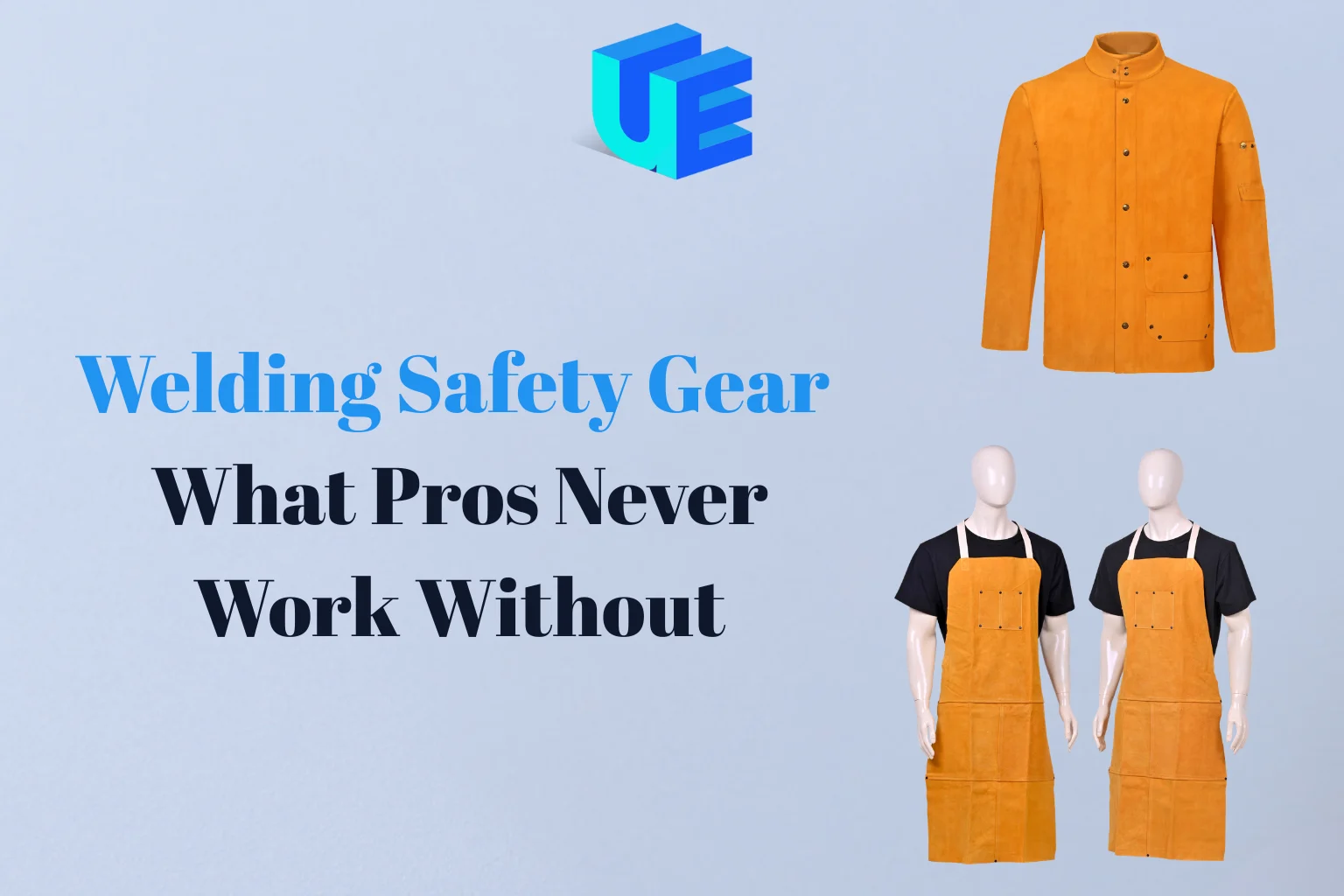
Professional welders understand one hard truth: skill alone doesn’t prevent injuries. The right welding safety gear is what protects your eyes, hands, lungs, and body from serious harm. Whether you’re working in fabrication, construction, automotive repair, or heavy industry, proper protection isn’t optional it’s foundational.
Too often, safety gear is treated as an afterthought. Gloves are grabbed at the last minute. Jackets are reused beyond their lifespan. Eye protection isn’t properly adjusted. Over time, these shortcuts lead to burns, respiratory problems, eye damage, and costly downtime.
At Unique Enterprises, we’ve worked closely with contractors, industrial teams, and workshop owners who understand that high-quality protection is a non-negotiable part of the job. In this guide, we’ll break down what professionals never work without and why.
Why Welding Is One of the Most Hazardous Trades
Before choosing equipment, it’s important to understand the risks welding presents.
Welders face daily exposure to:
- Extreme heat and molten metal
- UV and infrared radiation
- Flying sparks and slag
- Toxic fumes and gases
- Heavy materials and sharp edges
Even short-term exposure without proper safety apparel can cause burns, arc eye, or long-term respiratory issues.
The goal isn’t just compliance. It’s long-term protection and sustained performance.
Core Components of Welding Safety Gear
Let’s break down what experienced welders consistently rely on.
1. Welding Helmets: Eye and Face Protection
Arc flash can cause serious eye injury in seconds. A proper welding helmet:
- Shields against UV and IR radiation
- Protects the face from sparks and spatter
- Reduces glare for precision work
Auto-darkening helmets are widely preferred because they:
- Improve efficiency
- Reduce neck strain
- Allow better visibility between welds
A common mistake? Using helmets with worn-out sensors or scratched lenses. Reduced visibility increases error rates and risk.
2. Welding Gloves for Welders: Hand Protection That Works
Hands are constantly exposed to heat, sparks, and sharp metal edges. High-quality welding gloves for welders are essential.
There are different types depending on application:
- MIG welding: thicker gloves for heavy spatter
- TIG welding: thinner gloves for precision control
- Stick welding: high heat resistance
Many professionals prefer leather work gloves specifically designed for welding because they:
- Resist heat and abrasion
- Provide durability
- Offer better grip on hot materials
One of the most common mistakes we see? Workers using general-purpose cotton gloves for high-heat welding tasks. Cotton gloves may be suitable for light handling tasks, but they are not built for direct exposure to sparks and molten metal.
Proper glove selection should match the welding process.
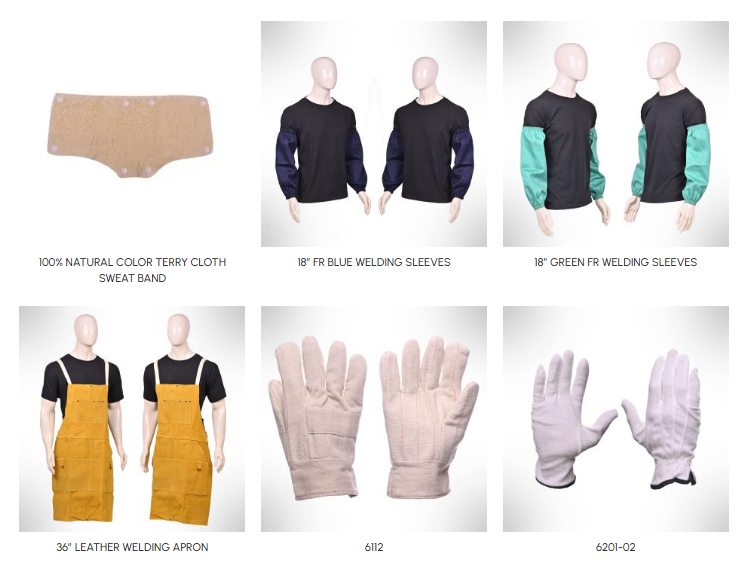
3. Flame-Resistant Clothing and Safety Apparel
Standard clothing is not acceptable for welding work.
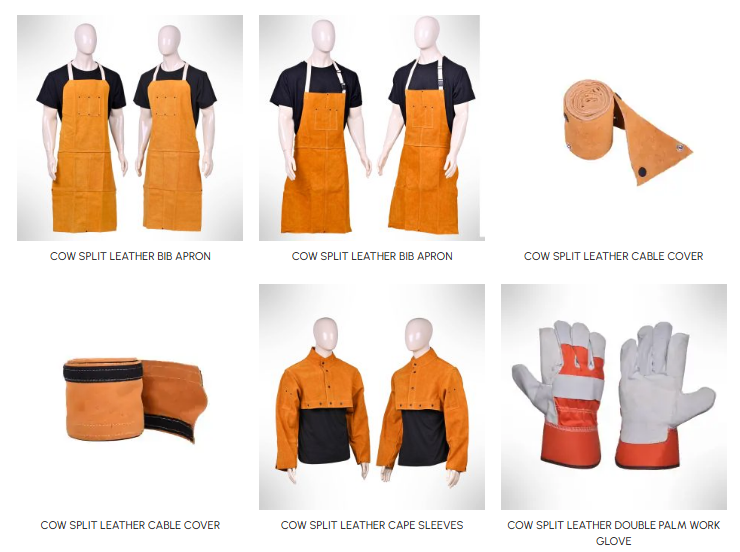
Professional safety apparel includes:
- Flame-resistant (FR) jackets
- Leather aprons
- Welding sleeves
- Fire-resistant pants
Synthetic fabrics can melt under heat exposure, increasing injury severity. Cotton-based flame-resistant garments are far safer than regular synthetic blends.
Pro Tip: Even high-quality gear needs regular inspection. Burn holes and weakened stitching compromise protection.
4. Respiratory Protection: The Overlooked Essential
Welding fumes contain metal oxides and gases that can accumulate over time.
Depending on the environment, welders may need:
- Disposable respirators
- Half-mask respirators with filters
- Fume extraction systems
Poor ventilation is a common issue in smaller workshops. Pros always evaluate airflow before starting.
Long-term exposure to fumes is linked to serious health conditions. Respiratory protection is not optional — especially in enclosed environments.
5. Foot Protection: Don’t Ignore the Ground Level
Steel-toe, heat-resistant boots protect against:
- Dropped materials
- Hot slag
- Sharp debris
Boots should have:
- Slip-resistant soles
- Metatarsal guards (for heavy fabrication environments)
- Heat-resistant construction
Welders often underestimate the danger of hot metal falling inside untied boots. Proper fit and coverage matter.
Cotton Gloves vs Leather Work Gloves: What’s the Difference?
This question comes up frequently.
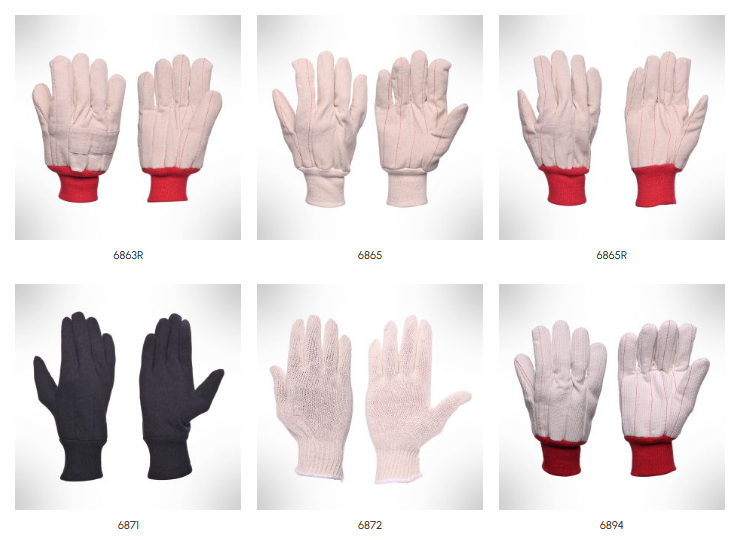
Cotton Gloves
Best for:
- Light material handling
- Cleanup work
- Low-heat environments
Limitations:
- No spark resistance
- Poor durability under heat
- Limited protection from sharp edges
Leather Work Gloves
Best for:
- Welding tasks
- High-heat exposure
- Abrasive materials
- Long-term durability
Leather offers superior resistance to heat and sparks, making it the preferred choice for welding gloves for welders.
Choosing the wrong glove type is one of the most preventable safety mistakes.
Common Mistakes Welders Make with Safety Gear
Based on real-world job site observations, here are frequent errors:
1. Using Worn-Out Equipment
Gloves with thinning leather
Helmets with scratched lenses
FR jackets with burn-through spots
Worn gear compromises protection.
2. Prioritizing Comfort Over Safety
Loose gloves
Unsecured jackets
Improper helmet fit
Comfort matters but not at the expense of coverage.
3. Ignoring Maintenance
Safety equipment needs cleaning and inspection. Metal dust and residue reduce performance.
4. Buying Based on Price Alone
Low-cost gear often sacrifices material quality. In industrial environments, durability equals protection.
How Professionals Evaluate Welding Safety Gear
Experienced welders typically assess:
- Heat resistance rating
- Material thickness
- Stitch quality
- Flexibility and dexterity
- Compliance with safety standards
They also consider the type of welding performed daily. TIG welders prioritize precision gloves. Structural welders require heavier-duty protection.
At Unique Enterprises, we’ve seen that the most successful teams standardize gear selection across crews. Consistency improves safety compliance and reduces confusion.
For a broader look at standards and evolving regulations, this guide on Safety Gear provides helpful context.
Real-World Scenarios
Fabrication Workshop
A mid-sized fabrication shop upgraded from general work gloves to specialized welding gloves for welders. Over six months:
- Burn incidents decreased
- Glove replacement frequency dropped
- Worker comfort improved
Construction Site
Switching from synthetic jackets to flame-resistant safety apparel reduced minor burn injuries during overhead welding tasks.
Benefits of Investing in Proper Gear
When chosen correctly, welding safety gear:
- Reduces injury risk
- Improves productivity
- Enhances confidence
- Minimizes downtime
- Supports compliance with safety regulations
Professional welders understand that protection enables performance.
FAQ
What is the most important piece of welding protection?
Eye and face protection is critical because arc flash can cause immediate injury. Gloves and flame-resistant clothing are equally essential.
Are cotton gloves safe for welding?
Cotton gloves are not suitable for high-heat welding. Leather options are better for spark and heat resistance.
How often should welding gloves be replaced?
Replace gloves when leather thins, cracks, or develops burn holes. Frequent inspection is key.
Do welders need respirators?
In enclosed or poorly ventilated spaces, yes. Fume exposure can cause long-term health issues.
What clothing should welders avoid?
Avoid synthetic fabrics that can melt under heat exposure.
What Professionals Say
Switching to proper leather welding gloves made a noticeable difference in heat protection. – Raj P.
We underestimated ventilation for years. Adding respirators improved air quality and worker comfort. – Elena M.
Good safety apparel isn’t optional. It’s the reason we’ve reduced injuries on-site. – Marcus D.
Final Thoughts
Welding is a high-skill trade — but it’s also high risk. Professionals never compromise when it comes to welding safety gear. The right gloves, helmets, clothing, and respiratory protection create a safer work environment and protect long-term health.
Investing in durable leather work gloves, flame-resistant safety apparel, and properly fitted helmets isn’t about compliance alone. It’s about ensuring that welders can perform their craft safely and confidently.
At Unique Enterprises, we believe informed decisions create safer workplaces. The goal isn’t just meeting standards it’s preventing injuries before they happen.
About the Author
Editorial Team – Unique Enterprises
Our team works closely with industrial suppliers, contractors, and safety managers across multiple sectors. With hands-on exposure to job site requirements and protective equipment standards, we focus on practical, experience-based guidance. Our mission is to support safer worksites through informed equipment selection and real-world safety insights.