

If your gloves fail halfway through a job, you feel it immediately less grip, more hand fatigue, and a much higher chance of scrapes, blisters, splinters, or worn-out palms by the end of the day. That’s why leather palm work gloves remain one of the most practical hand protection choices for homeowners, maintenance crews, shop users, landscapers, and construction workers. They’re built for repeated handling, rough surfaces, and everyday tasks where comfort and durability matter more than flashy features.
This guide explains what leather palm gloves are, where they work best, what to look for before buying, and how to avoid the common mistakes that leave people with gloves that are either too flimsy, too stiff, or wrong for the work. If you handle lumber, tools, concrete block, fencing, landscaping materials, or general site cleanup, this article will help you choose better and work more comfortably.
What Are Leather Palm Work Gloves?
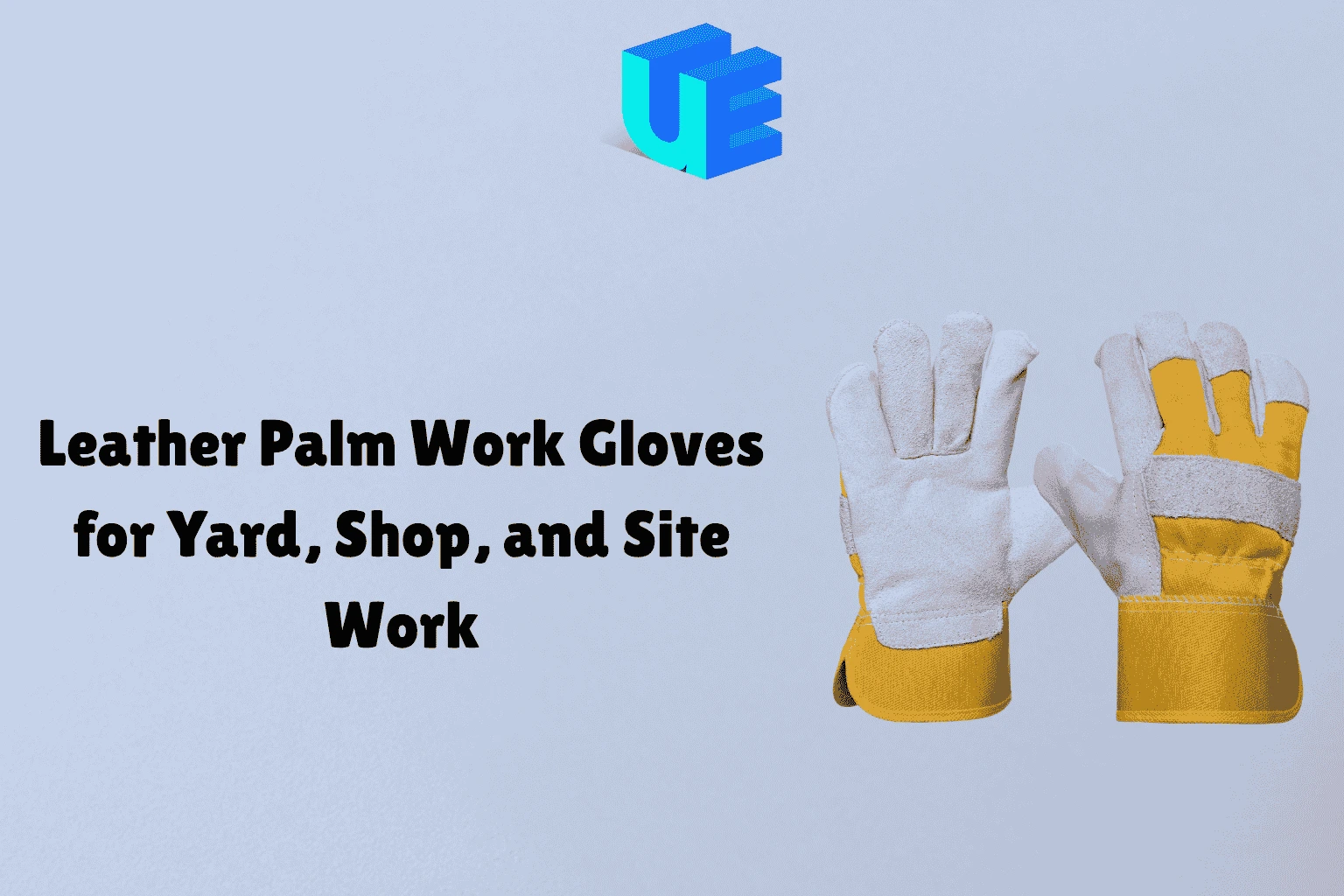
Leather palm work gloves are utility gloves designed with reinforced leather on the palm and key wear areas, usually paired with a fabric or knit back for breathability and flexibility.
That design matters because most wear happens where your hands grip, pull, carry, and drag materials.
In practical terms, they’re made to protect your hands during tasks like:
- Carrying wood, brick, or block
- Pulling wire, rope, or fencing
- Handling rough tools and equipment
- Moving debris, brush, and scrap material
- General yard, shop, and site cleanup
Unlike lightweight garden gloves or disposable coated gloves, leather palm styles are built for abrasion resistance and repeated use.
Why Leather Palm Gloves Still Matter
Even with all the newer glove materials on the market, leather still holds its place for one simple reason:
It works well in real-world physical tasks.
For homeowners, builders, and labor crews, that usually means gloves need to do four things consistently:
- Protect the hand from rough contact
- Maintain usable grip
- Stay comfortable long enough to finish the job
- Hold up better than bargain gloves
That’s exactly where palm leather gloves continue to perform well.
They’re especially useful for jobs that are too rough for thin coated gloves but don’t necessarily require a highly specialized cut-resistant or chemical-resistant glove.
What Makes Leather Palm Gloves a Practical Choice?
A lot of glove decisions come down to the same tradeoff:
protection vs. comfort vs. flexibility.
Leather palm gloves strike a useful middle ground.
They usually offer:
- Better abrasion resistance than light fabric gloves
- More grip security when handling rough materials
- More comfort over time than overly stiff heavy-duty gloves
- Better value for repeated general-purpose use
That’s why they’re common across:
- Landscaping
- Warehousing
- Masonry support work
- Material handling
- Maintenance work
- General construction tasks
- Home improvement and outdoor cleanup
Key Features to Understand Before Buying
Not all leather palm gloves are built the same. Two pairs can look similar on a shelf and perform very differently after a few hours of actual use.
1) Palm material
The palm is the part doing the real work, so the leather quality matters.
Look at:
- Thickness
- Flexibility
- Surface finish
- Reinforcement pattern
- Double-palm coverage (if included)
For tougher repetitive handling, double-palm gloves often last longer because they reinforce the highest wear zones.
2) Back material
The back of the glove affects:
- Breathability
- Heat retention
- Fit
- Flexibility
A fabric or knit back can make the glove easier to wear for longer periods, especially in warm weather or active work.
This is one reason leather palm knit gloves are often popular for general labor—they balance palm protection with more comfort and airflow than fully leather styles.
3) Cuff style
Cuffs often get overlooked, but they affect usability more than people think.
Common cuff styles include:
- Slip-on knit cuffs
- Safety cuffs
- Gauntlet-style cuffs
Your best option depends on whether you need:
- Quick on/off use
- More wrist coverage
- Better debris protection
- Compatibility with jackets or sleeves
4) Fit and hand fatigue
A glove that “sort of fits” often creates more fatigue than people expect.
Poor fit can lead to:
- Reduced grip control
- Faster hand exhaustion
- Material bunching
- More friction and blisters
- Less dexterity when handling fasteners or tools
A good work glove should feel secure without feeling restrictive.
Where Leather Palm Work Gloves Work Best
This glove category is most useful for medium- to heavy-duty general handling work.
Here’s where they usually make the most sense.
Yard Work
Leather palm gloves are a strong option for:
- Branch and brush cleanup
- Raking and hauling
- Moving stones, pavers, and edging
- Fence repair
- Handling bags of soil or mulch
- Loading yard debris
They’re especially useful when the work involves rough materials that quickly chew through lighter gloves.
Shop Work
In a home or maintenance shop, they’re useful for:
- Handling lumber and sheet goods
- Carrying rough hardware and supplies
- Equipment setup and cleanup
- Moving scrap and cutoffs
- General bench and storage work
They’re less ideal for very fine-detail work, but excellent for support tasks where abrasion and grip matter more than fingertip precision.
Site Work
On active jobsites, leather palm gloves are often used for:
- Material staging
- Framing support
- Masonry support tasks
- Demolition cleanup
- Scaffold handling
- Loading and unloading
- General labor work
That’s why many buyers looking through a leather palms collection are usually comparing durability, reinforcement, and comfort—not just appearance.
Benefits of Leather Palm Work Gloves
If you’re comparing glove types, these are the real advantages that matter most in daily use.
1) Better abrasion resistance
This is the biggest one.
Leather holds up well against:
- Rough lumber
- Concrete edges
- Brick and block
- Rope friction
- Repetitive carrying
- Jagged yard waste
That makes it more dependable than thin synthetic gloves for many general labor tasks.
2) Good grip under load
Grip isn’t just about texture—it’s also about how the glove behaves under pressure.
A decent leather palm helps reduce hand slip when:
- Carrying heavy materials
- Pulling wire or fencing
- Dragging awkward items
- Repositioning tools and equipment
3) More comfort for repetitive handling
For jobs where your hands are constantly gripping, lifting, and dragging, comfort matters almost as much as protection.
A good pair of leather palm gloves can help reduce:
- Palm burn
- Pressure points
- Friction blisters
- Hand soreness from repeated handling
4) Better value for practical work
A lot of buyers don’t need a premium technical glove. They need something that performs reliably across multiple tasks.
That’s where leather palm gloves often deliver strong value:
simple, durable, useful, and easy to keep in rotation.
The Realistic Limitations of Leather Palm Gloves
No glove category is ideal for every task, and that’s important to say clearly.
1) They’re not the best for fine-detail dexterity
If your work involves:
- Small fasteners
- Detailed assembly
- Precision electrical tasks
- Tight hardware work
…you may find them bulkier than thinner coated or mechanic-style gloves.
2) They can feel warm in hot weather
Because leather is more substantial than lightweight coated gloves, some users find them warmer during long summer work sessions.
That’s where leather palm knit gloves can be a better compromise, since they usually allow more airflow through the back of the hand.
3) Not all leather gloves are equal
This is where many buyers get disappointed.
Two gloves may both say “leather palm,” but quality can vary a lot based on:
- Leather thickness
- Stitching strength
- Reinforcement layout
- Fit consistency
- Cuff construction
That’s why it helps to compare actual build details rather than shopping on price alone.
What to Look for Before You Buy
This is where smart glove buying actually happens.
1) Match the glove to the work
Before buying, ask:
- Am I mostly carrying rough materials?
- Will I be handling wet or dry surfaces?
- Do I need flexibility or maximum wear resistance?
- Will I be working all day or just occasionally?
- Do I need wrist coverage?
The “best” glove depends on the task, not just the label.
2) Decide whether you need extra palm reinforcement
If you’re regularly doing:
- Repetitive lifting
- Rope or cable pulling
- Material dragging
- Rough framing or masonry support
- Frequent pallet and block handling
…then a double-palm design is often worth considering.
For example, styles like Cow Split Leather Double Palm Work Glove or Double Palm Split Leather Work Gloves are often better suited for heavier wear than basic single-palm utility gloves.
3) Think about the rest of your workwear
This gets overlooked, but gloves don’t work in isolation.
If you’re outfitting for outdoor labor, site support, or industrial work, glove comfort also depends on how well the rest of your gear supports the job.
For example, if your work also involves heat, sparks, or harsh site conditions, protective clothing choices matter too—similar to the considerations covered in this guide to fire resistant trouser for men.
4) Don’t ignore fit just because the glove is general purpose
One of the most common buying mistakes is assuming fit doesn’t matter for rough work.
It does.
A glove that’s too loose can cause:
- Slipping at the grip point
- Reduced control
- Finger drag
- More hand fatigue
A glove that’s too tight can cause:
- Restricted movement
- Pressure across knuckles
- Faster hand exhaustion
- Stitch stress and shorter glove life
Expert Tips for Better Performance and Longer Wear
These are the kinds of habits that make gloves work better in the real world.
Tip 1: Keep more than one pair in rotation
If you use gloves often, rotating pairs helps with:
- Drying time
- Comfort
- Hygiene
- Longer overall service life
This is especially useful if you work outdoors or in changing conditions.
Tip 2: Use reinforced gloves for repetitive carrying tasks
If your work repeatedly involves:
- Bricks
- Lumber
- Block
- Rope
- Fence rolls
- Steel or rough hardware
…don’t wait until your gloves wear out in the same spot again. Upgrade the palm reinforcement sooner.
Tip 3: Replace gloves before they become unsafe
A lot of people keep work gloves too long.
Replace them when you notice:
- Worn-through palm areas
- Split seams
- Loose or exposed stitching
- Loss of grip control
- Reduced hand protection
Old gloves can become more distracting than protective.
Tip 4: Match glove weight to season and workload
Heavier isn’t always better.
For all-day warm-weather use, a lighter glove with strategic reinforcement may be more practical than the thickest glove available.
FAQ
What are leather palm work gloves best used for?
They’re best for rough handling tasks like yard work, material carrying, shop cleanup, fencing, and general construction support.
Are leather palm gloves good for everyday work?
Yes. They’re a practical choice for repeated general labor where grip, abrasion resistance, and comfort matter.
Are leather palm knit gloves better in hot weather?
Often, yes. The knit or fabric back usually improves airflow and flexibility compared with heavier full-leather gloves.
How long should leather palm work gloves last?
That depends on the job. Light yard use may last a long time, while heavy site work can wear gloves out much faster.
Should I choose single-palm or double-palm work gloves?
If you handle rough materials often or wear through the palm quickly, double-palm gloves are usually the better long-term choice.
Final Thoughts
Leather palm work gloves continue to earn their place because they solve a very practical problem:
they protect your hands better during rough, repetitive work without becoming overly specialized or hard to wear.
They make the most sense when your tasks involve:
- Carrying
- Pulling
- Lifting
- Dragging
- Handling rough or abrasive materials
The key is choosing the right style for the actual job not just buying the first pair labeled “work gloves.”
If you focus on fit, palm reinforcement, task type, and comfort over time, you’ll end up with gloves that work better, last longer, and make the job easier on your hands.
Author Bio
Unique Enterprises Editorial Team
The Unique Enterprises editorial team creates practical buying guides and workwear content for professionals, contractors, and hands-on homeowners who need gear that performs in real conditions. Our content focuses on product function, wear resistance, comfort, and jobsite practicality so readers can make better decisions before they buy.