


Selecting the best jersey gloves for professional welders is a decision that directly impacts safety, comfort, and productivity on the job. Welding exposes hands to heat, sparks, and abrasions, and the wrong gloves can lead to burns, blisters, or reduced dexterity. By understanding glove types, materials, sizing, and performance features, welders can protect their hands while maintaining precision and efficiency.
While price is often a factor, the most important considerations are durability, grip, and resistance to heat and sparks. Premium options like premium jersey gloves, models like 6871, or Black & White Cotton Jersey Gloves combine affordability with reliability, making them a practical choice for both workshops and industrial sites.
What Are Jersey Gloves and Why They Matter
Jersey gloves are hand-protective gear made from knitted cotton or cotton blends, offering flexibility, comfort, and basic heat resistance. Unlike leather welding gloves, jersey gloves provide:
- Lightweight protection for general handling tasks
- Breathability to reduce sweating
- Dexterity for handling tools, metal sheets, and welding equipment
They are commonly used in combination with heavier, heat-resistant gloves for full welding tasks. Choosing the correct type is critical to prevent fatigue and maximize control.
Key Features of the Best Jersey Gloves
When selecting the best jersey gloves for professional welders, focus on:
- Material Quality
- Look for high-quality cotton or cotton-blend fabrics.
- Premium jersey gloves often have reinforced palms or double-layer stitching for durability.
- Size and Fit
- Gloves that are too loose reduce precision.
- Gloves that are too tight can cut off circulation, leading to fatigue.
- Heat Resistance
- While not meant for direct welding, high-quality jersey gloves can withstand incidental heat and sparks.
- Durability
- Reinforced models like 6871 resist wear from constant handling of metal or welding tools.
- Grip and Dexterity
- Textured palms or rubberized coatings improve control.
Types of Jersey Gloves for Welding
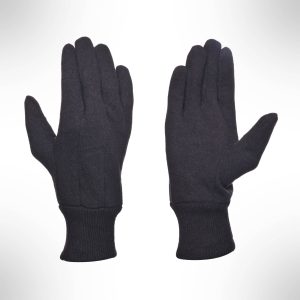
Standard Cotton Jersey Gloves
- Lightweight and breathable
- Suitable for general material handling
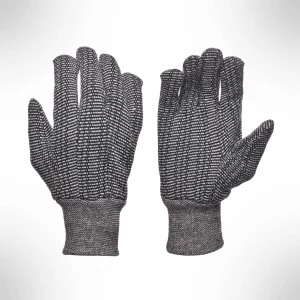
Black & White Cotton Jersey Gloves
- Popular for workshops due to visibility and dual-layer construction
- Balance affordability with moderate protection
Premium Jersey Gloves
- Reinforced palms and fingertips
- Enhanced durability for frequent industrial use
Common Mistakes Welders Make
- Choosing gloves solely on price without testing comfort or dexterity
- Using thin jersey gloves for high-heat tasks
- Ignoring sizing charts or glove shrinkage after washing
- Overlooking reinforced stitching, which can significantly extend glove lifespan
Expert Tips for Choosing the Right Gloves
- Test multiple brands and styles before committing to bulk purchases.
- Consider layering: a lightweight jersey glove under a heavier welding glove can improve comfort and protection.
- Look for gloves that comply with safety standards for industrial hand protection.
- Match gloves to tasks: light handling vs. heavy welding.
Real-World Applications
- Workshop Welding: Black & White Cotton Jersey Gloves protect hands during grinding, cutting, and handling tools.
- Industrial Projects: Model 6871 gloves are durable enough for frequent material handling while maintaining comfort.
- DIY Welding: Premium jersey gloves provide balance between flexibility and basic heat resistance.
For additional safety insights, see our guide on best welding apparel for professional welders.
Benefits of Using Jersey Gloves
- Comfort: Lightweight and breathable for long shifts
- Affordability: Cost-effective without compromising basic safety
- Dexterity: Ideal for precise handling of tools and materials
- Protection: Shields hands from sparks, minor cuts, and abrasions
Limitations to Keep in Mind
- Jersey gloves are not suitable for direct arc welding or high-heat tasks
- Limited resistance to heavy abrasions compared to leather gloves
- Require replacement sooner if exposed to rough, abrasive materials frequently
People Also Asked
Can jersey gloves be used for welding?
Yes, but only for material handling and incidental sparks. They are not a substitute for heavy-duty welding gloves in direct arc welding.
What is the best size for jersey gloves?
Choose gloves that fit snugly but allow full finger movement. Always check the manufacturer’s sizing chart.
Are premium jersey gloves worth the investment?
Yes. Reinforced gloves like premium jersey gloves last longer, offer better protection, and are ideal for frequent industrial use.
How do Black & White Cotton Jersey Gloves differ from standard gloves?
They feature dual-layer construction, improved grip, and better visibility, making them ideal for workshop settings.
How should I maintain my jersey gloves?
Wash in cold water, air dry, and inspect regularly for wear or tears. Avoid high heat in dryers to prevent shrinkage.
Customer Testimonials
Carlos R., Fabrication Shop
Using the 6871 model has made handling metal sheets much safer without sacrificing flexibility.
Amanda S., Welding Instructor
Black & White Cotton Jersey Gloves are surprisingly durable for their price. Perfect for daily workshop tasks.
Raj P., Industrial Welder
Premium jersey gloves keep my hands comfortable even during long projects. Highly recommend testing them first.
Final Thoughts
Choosing the best jersey gloves for professional welders is about balancing comfort, protection, and durability. From light workshop handling to frequent industrial tasks, the right gloves improve safety, precision, and overall productivity. By understanding materials, sizing, and glove features, welders can protect their hands and enhance their workflow.
About the Editorial Team
The Unique Enterprises editorial team collaborates with industrial safety experts, professional welders, and building material specialists to provide actionable, practical advice. Our content is grounded in hands-on experience, real-world testing, and long-term observation of safety gear performance.