


Choosing the best welding apparel for professional welders is more than just picking tough clothes. It’s about protecting your body against intense heat, sparks, slag, and UV exposure hazards that can cause serious injury if you’re not outfitted correctly. In this guide, we’ll break down what real welders need to know about safety apparel, common mistakes, fabric choices like COTTON WELDING ACCESSORIES, and how to assemble gear that performs day in and day out.
Whether you’re welding in a shop or at a job site, understanding what works and why can make the difference between a close call and a safe shift.
Why the Right Welding Apparel Matters
Welding creates environments with:
- Molten metal and flying sparks
- Extreme radiant heat
- Bright UV arcs that can damage skin
- Sharp edges and rough surfaces
Standard work clothes simply aren’t enough. Proper welding safety apparel protects against burns, skin irritation, and fire risk, while also being comfortable enough for extended use. Wear the wrong gear and you’re not just uncomfortable — you’re at risk.
What Makes Welding Apparel “Best”
Before we dive into specific items like Leather Welding Apparel and Top Rated Assembly Gloves, let’s clarify what separates high‑quality apparel from inadequate gear.
Key Features to Look For
- Fire resistance: Fabrics that don’t melt or ignite easily
- Durability: Tough stitching and materials that won’t fall apart
- Coverage: Protection for arms, legs, torso, and hands
- Comfort: Breathable fabric and ergonomic design
- Fit: Not too loose (which can snag) and not too tight (which restricts movement)
Materials matter — and performance comes down to real‑world usage, not just marketing.
Core Components of Welding Safety Apparel
Below is how professionals typically assemble their apparel for long, hot shifts:
Fire‑Resistant Shirt or Jacket
A staple in professional welding gear, fire‑resistant tops should resist ignition and not melt onto skin. Many pros choose shirts with high cotton content because:
- COTTON WELDING ACCESSORIES are breathable and less prone to melting than synthetics
- Reinforced stitching and panels enhance durability
- Natural fibers handle heat shocks better than blends
A common mistake is picking “flame‑resistant” shirts that are just treated synthetics — these can break down faster than true cotton blends designed for welding.
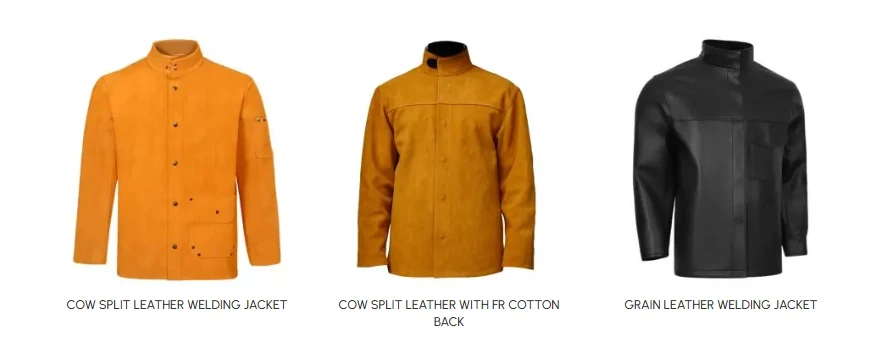
Leather Welding Apparel
Leather outperforms most fabrics when it comes to molten metal protection. It’s heavy — but that’s why firefighters and heavy fabricators trust it.
Pros often use:
- Leather welding jackets
- Sleeves and aprons
- Leather chaps
Leather’s natural density stops sparks and slag without melting. The downside? Break‑in time. Real leather takes days of wear to become comfortable, but that break‑in period is part of what builds second‑skin comfort.
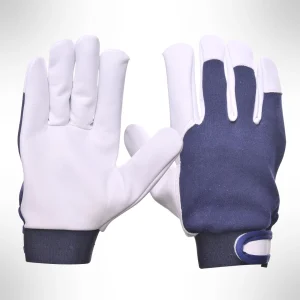
Top Rated Assembly Gloves
Hands are the first line of defense, and Top Rated Assembly Gloves make a real difference:
- Split cowhide: balanced durability and dexterity
- Keystone thumb design: prevents seam blowouts
- Reinforced palms and fingers: extended wear life
Avoid cotton knit gloves under leather — they offer heat insulation but can trap sweat, increasing discomfort over long periods.
Pants and Leg Protection
Welding pants should be:
- Heavy cotton or leather
- Free of rivets and metal bits that can spark
- Loose enough for mobility, snug enough to avoid catching
Denim with proper FR treatment can work, but professional welders often opt for flame‑resistant duck canvas or leather chaps over FR pants for maximum protection.
Foot Protection (Often Overlooked)
Don’t forget your feet. Closed‑toe, heat‑resistant boots are essential. Look for boots with:
- Steel or composite toes
- Heat‑resistant outsoles
- No mesh or fabric panels that can ignite
Practical Considerations Before You Buy
Selecting welding apparel isn’t just about picking the toughest jacket. Consider:
Fit and Movement
Too tight → restricts movement
Too loose → catches sparks
Try gear on with your welding stance in mind — crouching, reaching, bending. Apparel that fits well should move with you.
Layering for Comfort
In colder shops, layering is common:
- FR undershirt
- Leather jacket
- Optional leather sleeves
Avoid cotton hoodies under leather; they can restrict movement and trap moisture.
Climate and Ventilation
Working outdoors vs. indoor ventilated shop changes needs. Hot climates call for better ventilation and sweat‑wicking fabrics, while cold ones require heavier layering that still resists sparks.
Common Mistakes Welders Make
| Mistake | Reality |
| Picking lightweight gear for hot weather | Can compromise protection |
| Wearing synthetics under leather | Synthetics can melt and cause burns |
| Ignoring glove fit | Loose gloves reduce dexterity |
| Skipping leg protection | Sparks can cause serious burns below the knee |
Real‑World Use Cases & Examples
Case 1: Structural Steel Fabrication
Jobsite welders often wear:
- Leather jackets & aprons
- Fire‑resistant cotton base layer
- Top rated assembly gloves with keystone thumbs
Why? Steel work creates heavy slag and intense heat, so extra coverage is essential.
Case 2: Automotive Welding
Precision welds require:
- Better dexterity gloves
- Fire‑resistant shirts that allow reach
- Ventilated gear where possible
In this environment, gas metal arc welding (GMAW) creates sparks with a slightly different risk profile than stick welding and apparel choices shift accordingly.
Internal Resource: Safety Gear You Can’t Ignore
Welding safety must be holistic. For broader insight into essential protective gear and materials, visit Safety Gear Essentials Every Builder Should Know.
People Also Ask
What’s the difference between welding apparel and regular work clothes?
Welding apparel is designed to resist flames, sparks, and heat, while regular work clothes can melt or ignite on contact.
Are leather welding jackets better than FR shirts?
Leather provides superior protection against molten metal, while FR shirts protect against radiant heat and sparks. Professionals often combine both for maximum coverage.
Can I wear cotton under welding gear?
Yes. Natural cotton layers are preferred to synthetics because they won’t melt and can help with moisture control.
How often should I replace welding gloves?
Replace gloves when leather wears thin, seams start to fail, or insulation declines, to maintain proper protection.
Are mesh panels allowed in welding boots?
No. Mesh or fabric panels can ignite, so always choose solid, heat-resistant footwear.
Customer Testimonials
Elias W., Fabrication Foreman
After switching to genuine leather welding apparel and top-rated assembly gloves, incidents in our shop dropped significantly. The gear holds up even on long, hot shifts.
Nina T., Automotive Welder
I used to underestimate welding apparel. Now I wear FR shirts and leather sleeves every time — the comfort and protection difference is huge.
Mark D., Structural Welder
Investing in quality welding gear has improved my focus and confidence. I can work longer without worrying about burns or fatigue.
About the Author
Uniqent Editorial Team
Drawing on years of experience in the field of welding and industrial safety, Unique Enterprises team shares insights that matter to real workers. We focus on what works in practice not just on paper to help professionals make smart, lasting safety decisions.