


Working with heat, sparks, and heavy materials requires reliable hand protection. Leather welder gloves are a cornerstone of personal safety in welding and industrial environments. Choosing the right gloves not only prevents burns and injuries but also improves efficiency and overall performance on the job.
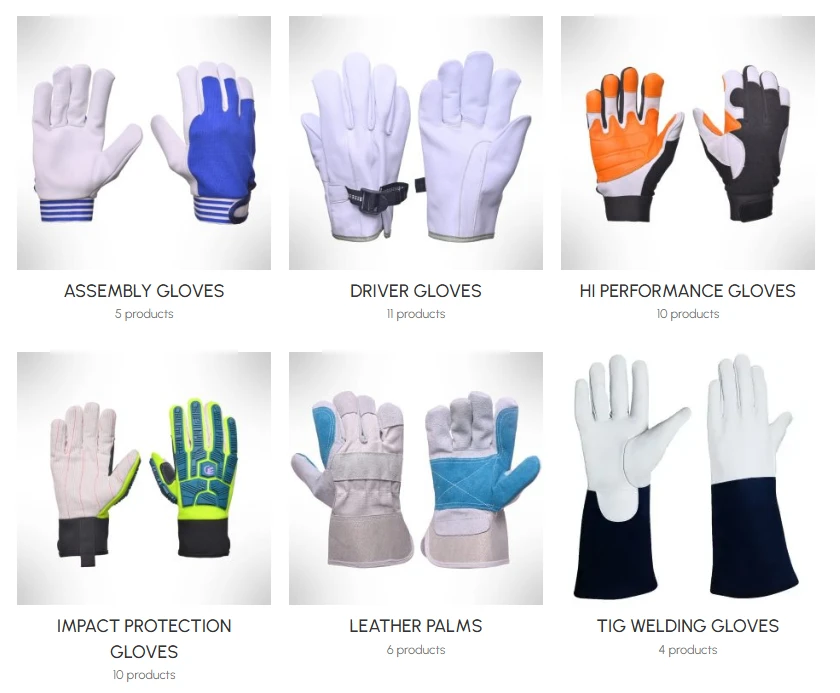
From reducing hand fatigue to enhancing grip, leather welder gloves provide a combination of durability, heat resistance, and dexterity that other gloves often lack. Whether you’re pairing them with assembly gloves, driver gloves, or Hi Performance Gloves, understanding their design and proper use is key for maximizing safety and productivity.
What Are Leather Welder Gloves?
Leather welder gloves are heavy-duty gloves made from heat-resistant leather, designed to protect hands from:
- Extreme heat and sparks
- Sharp edges and rough surfaces
- Prolonged handling of welding tools and materials
Unlike standard leather work gloves, welder gloves are often reinforced at stress points, lined for comfort, and designed to allow dexterous movement while providing maximum protection.
Key Benefits of Leather Welder Gloves
- Superior Heat Resistance
Leather naturally withstands higher temperatures than synthetic gloves, protecting hands from burns during welding or cutting. - Enhanced Durability
With proper care, leather welder gloves last longer than standard assembly gloves, even in heavy-use environments. - Better Grip and Control
The textured leather surface improves grip on welding torches, rods, and materials, reducing slips and accidents. - Comfort and Dexterity
Modern Hi Performance Gloves combine protective layers with flexible design, so you can handle tasks efficiently without excessive hand fatigue. - Versatility Across Tasks
Leather gloves aren’t limited to welding—they work well for handling hot metals, assembly line tasks, and even as driver gloves in industrial vehicles.
Practical Considerations When Choosing Gloves
- Fit Matters: Gloves that are too loose reduce control; too tight and they restrict movement.
- Lined vs. Unlined: Lined gloves add comfort and insulation but can reduce dexterity slightly.
- Cuff Length: Longer cuffs protect wrists from sparks, but shorter cuffs increase mobility.
- Type of Leather: Cowhide, pigskin, and deerskin each have unique durability and heat resistance qualities.
Pro Tip: Always test a glove in a low-risk environment to ensure both protection and comfort before heavy-duty work.
Common Mistakes to Avoid
- Using standard leather work gloves instead of heat-resistant welder gloves.
- Skipping glove maintenance, such as cleaning and conditioning, which reduces lifespan.
- Choosing oversized gloves thinking “more coverage = better protection,” which can reduce dexterity.
- Neglecting inspection before use; small tears or worn areas compromise safety.
Expert Tips for Maximum Safety
- Rotate Gloves During Heavy Use: Prevents overheating and wear on specific areas.
- Combine Gloves With Protective Gear: Always pair with sleeves, helmets, and safety glasses.
- Condition Leather Regularly: Keeps the gloves supple and extends durability.
- Match Gloves to Task: Use thicker gloves for heavy welding, lighter assembly gloves for precision tasks.
Real-World Use Cases
- Industrial Welding Shops: Leather welder gloves reduce hand burns and improve torch handling.
- Metal Fabrication: Enhance grip when moving hot sheets and assemblies.
- Construction and Assembly Lines: Used as Hi Performance Gloves to handle hot or abrasive materials safely.
- Vehicle Repair and Driving Tasks: Can double as driver gloves for industrial vehicles or forklifts.
For complementary hand protection, consider our guide on best jersey gloves for professional welders.
Customer Testimonials
Jordan P., Fabrication Technician
Switching to leather welder gloves from my old work gloves made a huge difference in comfort and safety.
Maria K., Industrial Welder
These gloves handle sparks perfectly, and I can work longer without hand fatigue.
Ethan L., Metal Fabricator
Investing in Hi Performance Gloves improved both grip and dexterity during welding. The protection is unmatched.
People Also Ask
Are leather welder gloves heat-resistant?
Yes. They are specifically designed to withstand sparks, high temperatures, and molten metal, providing reliable protection for welding and hot material handling.
Can I use leather gloves for assembly tasks?
Yes. Lighter leather gloves or assembly gloves offer protection while maintaining dexterity for precise tasks.
How do I maintain leather welder gloves?
Clean with mild soap, dry naturally, and condition with leather cream regularly to extend lifespan and maintain flexibility.
Are driver gloves different from leather welder gloves?
Yes. Driver gloves are lighter, more flexible, and designed for grip, while welder gloves prioritize heat resistance and protection.
How long do Hi Performance Gloves last?
With proper care, high-quality leather gloves can last several years even under regular heavy-duty use.
Final Thought
Using leather welder gloves is a simple step that significantly increases safety and performance in welding and industrial environments. Properly fitted, maintained, and matched to the task, these gloves protect hands, enhance grip, and reduce fatigue. Investing in quality gloves like Hi Performance Gloves or combining them with assembly gloves ensures that every project is safer and more efficient.
Author Bio
Uniqent Editorial Team – Our team brings decades of hands-on experience in welding, industrial safety, and protective gear. We focus on providing practical guidance and expert tips to help professionals and DIY enthusiasts work safely and effectively.