


When it comes to welding, hand protection is non-negotiable. Cotton welding gloves are a simple yet critical component of safety gear for welding, designed to prevent burns, improve grip, and reduce hand fatigue during long shifts. While gloves may seem like basic equipment, selecting the right type whether cotton gloves, canvas gloves, or Cotton Corded Gloves—can dramatically improve safety and performance on the job.
In this guide, we’ll cover everything welders need to know about cotton welding gloves: their benefits, limitations, practical tips, and common mistakes to avoid. We’ll also explore real-world use cases, helping you choose gloves that keep your hands safe while maintaining control and comfort.
Why Cotton Welding Gloves Matter
Welding exposes workers to sparks, heat, and metal debris. Improper hand protection can result in:
- Burns and blisters
- Reduced grip on tools
- Slips or mishandling of materials
- Long-term skin irritation or discomfort
Cotton welding gloves offer a lightweight, breathable option that complements heavier gloves when higher heat protection is needed. Using the right gloves ensures better control, safer handling, and fewer workplace incidents.
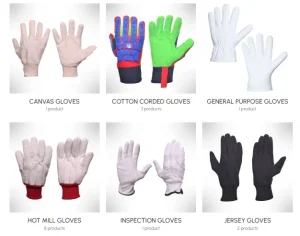
Types of Cotton Welding Gloves
1. Standard Cotton Gloves
- Lightweight and breathable
- Suitable for light welding tasks and handling low-heat materials
- Flexible for better dexterity
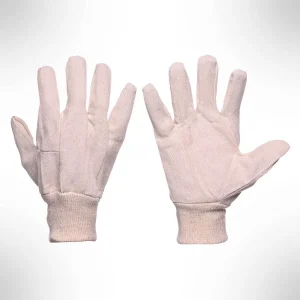
2. Canvas Gloves
- Durable and abrasion-resistant
- Ideal for general-purpose tasks that require extra grip
- Often used alongside heavier gloves for layered protection
3. Cotton Corded Gloves
- Reinforced stitching for longevity
- Extra padding for comfort during prolonged use
- Provides a balance between flexibility and heat resistance

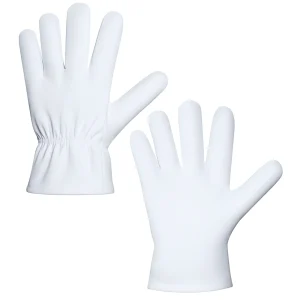
4. General Purpose Gloves
- Versatile for multiple tasks beyond welding
- Can handle moderate heat and sparks
- Often used in fabrication shops and general metalworking
Key Benefits of Cotton Welding Gloves
1. Burn Prevention
Cotton welding gloves provide a protective layer between hot materials and your skin, reducing the risk of minor burns from sparks or molten metal.
2. Improved Grip
Textured cotton and canvas gloves enhance grip on rods, tools, and metal sheets, which is critical for precision welding tasks.
3. Comfort During Long Shifts
Breathable materials prevent sweat buildup, reducing irritation and hand fatigue, especially in warm environments.
4. Layering Capability
Cotton gloves are lightweight enough to wear under leather or heavier protective gloves when additional heat resistance is needed.
Practical Considerations
When choosing cotton welding gloves, consider the following:
- Task Type: Light welding vs. high-heat applications
- Material Thickness: Thicker cotton provides better heat resistance but may reduce dexterity
- Fit: Gloves that are too loose or tight can cause discomfort and reduce control
- Durability: Reinforced stitching and corded options extend glove life
Selecting the right glove ensures you balance protection, comfort, and hand control.
Common Mistakes Welders Make
Skipping Gloves
Even experienced welders sometimes skip lightweight tasks, risking burns or hand irritation.
Using Worn Gloves
Old or worn gloves reduce protection and grip. Always inspect gloves before use.
Choosing the Wrong Material
Not all cotton gloves are created equal. Thin, low-quality cotton won’t handle sparks or heat effectively.
Neglecting Proper Layering
Cotton gloves alone may not be enough for high-temperature welding. Layer with leather gloves or specialized heat-resistant gear when needed.
Expert Tips and Best Practices
- Keep multiple pairs on hand to rotate during long shifts
- Wash gloves regularly to maintain breathability and hygiene
- Inspect gloves for frays, holes, or weakened seams
- Pair with other safety gear for welding like helmets, jackets, and eye protection
- Use canvas gloves for tasks requiring extra abrasion resistance or grip
By following these best practices, cotton gloves can significantly improve safety and performance on the job.
Real-World Use Cases
Fabrication Shop
Workers using Cotton Corded Gloves reported fewer hand blisters and better rod handling during repetitive MIG welding tasks.
Outdoor Welding
In hot weather, standard cotton gloves kept hands dry and comfortable under helmets, allowing workers to focus on precision welding without distractions.
Multi-Layered Protection
For high-heat TIG welding, cotton gloves layered under leather gloves reduced hand fatigue and improved dexterity, providing both comfort and safety.
Choosing the Right Cotton Welding Gloves
When selecting gloves, consider:
- Material Quality: Cotton or canvas with reinforced stitching
- Fit and Size: Snug but comfortable
- Heat Tolerance: Thickness for sparks and short-term exposure
- Task Requirements: Precision vs. general handling
Always match glove type to your welding process and environment for optimal results.
Testimonials
I started using cotton gloves under leather gloves for TIG welding. My hands stay comfortable, and my grip is stronger.
— Alex R., professional welder
Canvas gloves handle rod handling better than I expected. Less slippage, more control.
— Maria T., fabrication technician
Rotating multiple pairs of cotton gloves keeps me from sweating and improves focus during long shifts.
— Daniel H., welding contractor
People Also Ask
Are cotton welding gloves safe for all welding types?
They are suitable for light to moderate tasks but may need layering for high-heat welding.
Can I wash cotton welding gloves?
Yes, washing maintains comfort and hygiene but avoid harsh chemicals that weaken the fabric.
Do cotton gloves improve grip?
Yes, especially corded or textured gloves—they enhance handling of rods, tools, and metal.
How long do cotton welding gloves last?
Lifespan depends on task intensity, material quality, and maintenance; inspect regularly for wear.
Should I layer cotton gloves under leather gloves?
Yes, for high-heat tasks, layering provides extra protection while maintaining dexterity.
Final Thoughts
Cotton welding gloves are a small but critical part of any welder’s safety gear for welding. They prevent burns, improve grip, and enhance comfort during long shifts. Whether used alone for light tasks or layered under leather gloves for high-heat work, selecting the right cotton gloves ensures better safety, performance, and long-term hand health.
For more comprehensive guidance on protective equipment, see our related guide on Safety Gear.
About the Author
Uniqent Editorial Team
Unique Enterprises team works closely with professional welders and industrial technicians to provide practical, hands-on advice. We focus on helping workers select and maintain protective gear that enhances safety, comfort, and performance in real-world welding environments.