

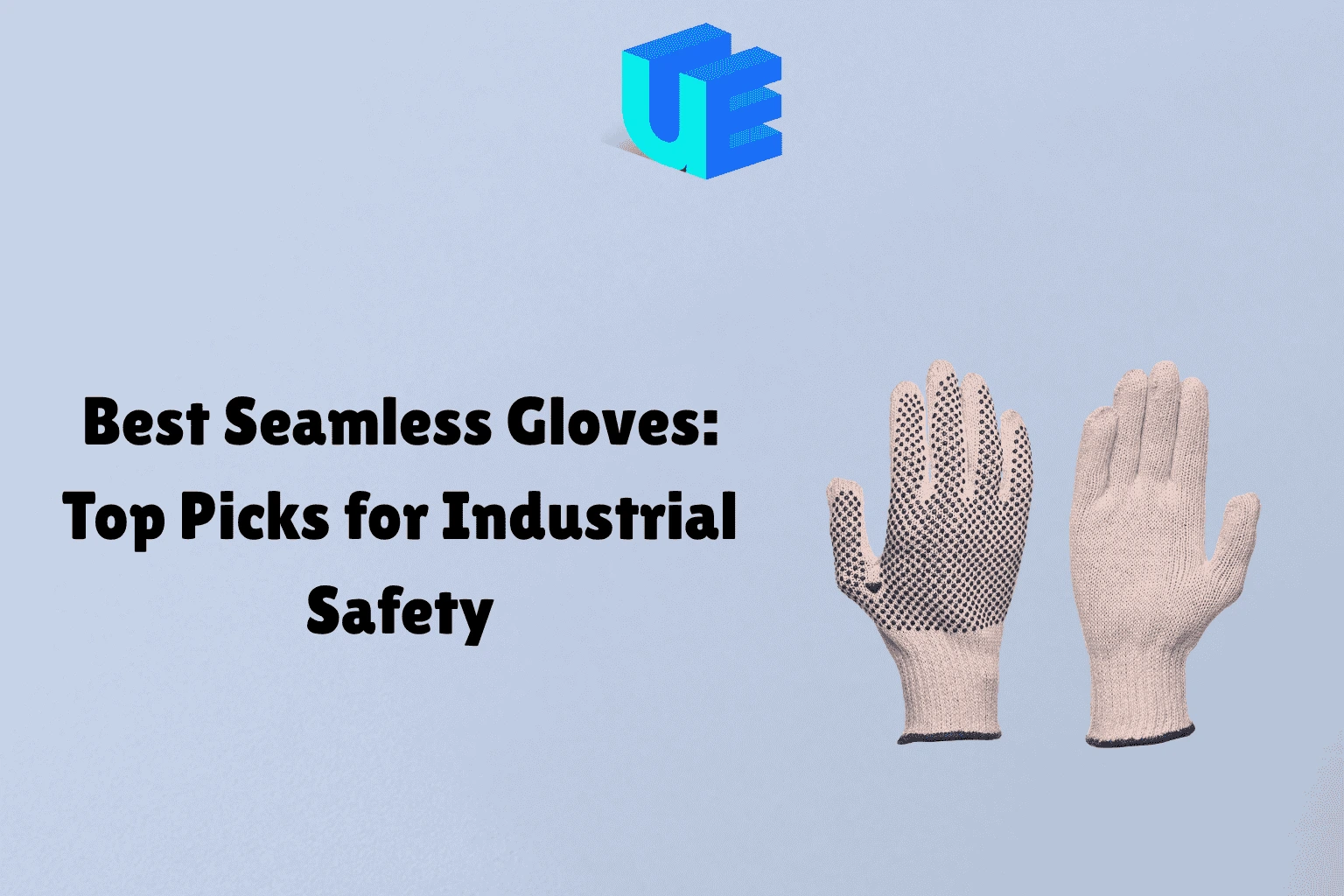
Choosing the best seamless gloves isn’t just about comfort it directly affects worker safety, productivity, and long-term hand protection. In industrial environments, gloves are often worn for hours under demanding conditions, so the wrong choice can lead to fatigue, reduced grip, or even injury.
This guide breaks down what seamless gloves are, how they work, and how to choose the right pair based on real-world use. Whether you’re handling materials, working on assembly lines, or managing safety compliance, you’ll learn how to compare options, avoid costly mistakes, and select gloves that actually perform on the job.
What Are Seamless Gloves? (Key Concepts You Should Know)
Seamless gloves are made using a continuous knitting process that eliminates seams inside the glove. This creates a smooth interior surface, reducing friction and irritation during extended wear.
Why this matters in industrial work:
- No internal seams = less hand fatigue
- Better flexibility and dexterity
- More consistent fit across different hand sizes
- Reduced risk of pressure points or skin irritation
Common materials used include:
- Cotton (for breathability and comfort)
- Polyester blends (for durability)
- Nylon (for lightweight flexibility)
For example, seamless cotton gloves are widely used in light-duty environments where comfort and breathability matter most.
Benefits and Limitations of Seamless Gloves
Benefits
Seamless gloves are widely preferred across industries because they provide:
- Enhanced comfort for long shifts
- Improved dexterity for precision tasks
- Reduced hand fatigue compared to stitched gloves
- Better fit and flexibility
- Compatibility with coatings (like latex or nitrile for grip)
They’re especially useful in:
- Assembly work
- Packaging and handling
- Light manufacturing
- Inspection tasks
If you’re considering options like seamless compression gloves, they can also help reduce strain during repetitive work.
Limitations
Despite their advantages, seamless gloves are not ideal for every job.
- Limited protection in heavy-duty or high-impact environments
- May require coatings for better grip or chemical resistance
- Not always cut-resistant unless specifically designed
For higher-risk tasks, gloves like the Machine Knit Cut Resistant Glove are often a better fit.
How to Choose the Best Seamless Gloves
Selecting the best gloves seamless for your needs depends on how and where they’ll be used.
- Material Matters
- Cotton: Comfortable and breathable
- Polyester/Nylon: Durable and lightweight
- Blends: Balanced performance
- Grip Requirements
For handling tools or materials:
- Dotted or coated gloves improve grip
- Example: Machine Knit Dotted palm Glove offers better handling control
- Work Environment
Ask yourself:
- Is the job dry or oily?
- Are there sharp edges?
- Is precision required?
- Fit and Size
A poor fit reduces both safety and efficiency. Seamless gloves should feel snug without restricting movement.
- Durability vs Comfort
Light-duty gloves prioritize comfort. Heavy-duty environments require stronger materials—even if they sacrifice some flexibility.
Practical Buying Considerations
When comparing options, focus on what actually impacts performance:
- Task-specific design (don’t use general-purpose gloves for specialized work)
- Coating type (latex, nitrile, PU depending on grip needs)
- Breathability for long shifts
- Washability and reuse for cost efficiency
- Compliance with safety standards
If your workflow also involves protective gear beyond gloves, it’s worth reviewing related guides like buy aprons to ensure full-body safety coverage.
Common Mistakes to Avoid
Even experienced buyers make these mistakes when choosing seamless gloves:
- Choosing Based on Price Alone
Cheap gloves often wear out quickly, increasing long-term costs.
- Ignoring Task Requirements
Using general gloves for specialized tasks can reduce safety and efficiency.
- Overlooking Fit
Loose gloves reduce grip. Tight gloves cause discomfort and fatigue.
- Skipping Coating Considerations
Uncoated gloves may not provide enough grip for certain environments.
- Assuming All Seamless Gloves Are the Same
There’s a big difference between basic cotton gloves and performance-grade options.
Expert Tips and Best Practices
Based on real-world usage across industrial settings:
- Match gloves to the task, not the job title
One worker may need multiple glove types during a shift. - Rotate gloves regularly
This helps maintain hygiene and extends lifespan. - Train workers on proper glove use
Even the best gloves fail if used incorrectly. - Test before bulk purchasing
Always trial a few options before committing to large orders. - Combine protection layers when needed
Use seamless gloves as liners under heavier glove for added comfort.
Real-World Use Cases
Assembly Line Work
Workers handling small components prefer seamless glove because they maintain dexterity without causing fatigue.
Warehouse Handling
Dotted or coated seamless gloves improve grip when moving boxes or materials.
Light Fabrication
For tasks with moderate risk, seamless glove paired with cut-resistant options provide balanced protection.
Maintenance Tasks
Technicians often use seamless gloves for flexibility when handling tools and small parts.
Customer Experiences
We switched to seamless gloves for our packaging team, and the difference was immediate—less fatigue and better grip.
The dotted palm gloves worked great for our warehouse staff. Fewer drops and better control overall.
Comfort matters more than you think. Once we upgraded, productivity improved noticeably.
People Also Ask
What are seamless glove used for?
Seamless gloves are used for tasks that require comfort, flexibility, and light to moderate protection, such as assembly and material handling.
Are seamless gloves good for industrial work?
Yes, they are ideal for many industrial tasks, especially where dexterity and comfort are important.
What are the best seamless glove for grip?
Gloves with coated or dotted palms provide better grip, especially in handling or warehouse environments.
Can seamless glove protect against cuts?
Basic seamless gloves do not offer cut protection. You need specialized cut-resistant versions for that.
How do I choose the right seamless glove?
Focus on material, fit, grip type, and the specific task requirements to find the best option.
Final Thoughts
The right pair of seamless gloves can make a noticeable difference in both safety and efficiency. Instead of choosing based on price or availability, focus on how the gloves perform in real working conditions.
At Unique Enterprises, the focus is on providing practical, field-tested solutions that match real industrial needs from everyday seamless glove to specialized protective gear.
About the Author
Editorial Team at Unique Enterprises
The content team at Unique Enterprises works closely with industrial safety professionals, manufacturers, and on-ground workers to create practical, experience-driven guides. Their goal is to simplify complex buying decisions and provide clear, reliable insights that help businesses choose the right safety equipment with confidence.