

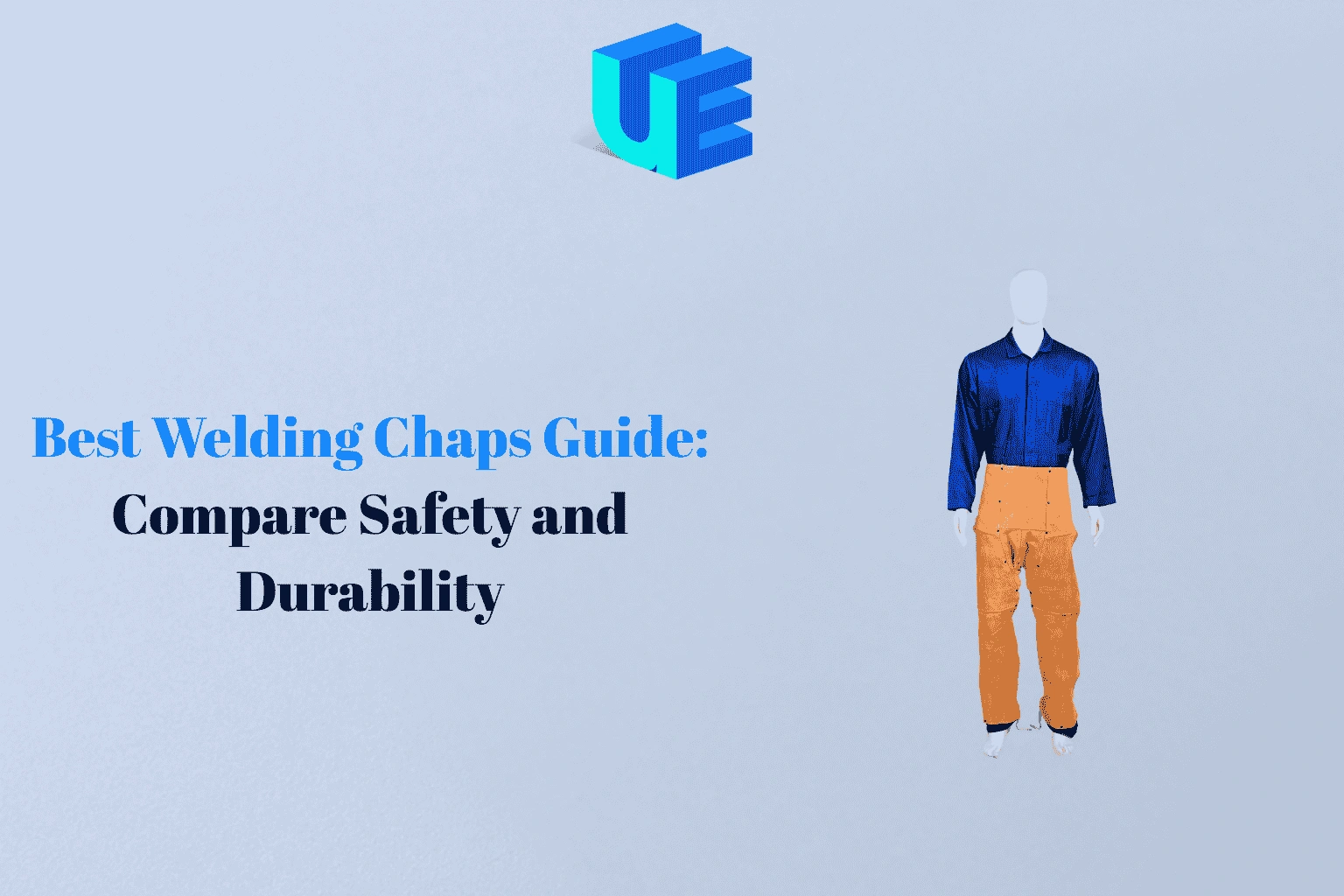
When it comes to protecting your legs on the job, the best welding chaps can mean the difference between a minor mishap and a serious injury. Sparks, molten metal, and flying debris are constant hazards in welding environments, and standard work pants simply don’t offer the protection needed for high-heat jobs. Professionals rely on high-quality leather chaps for welding to prevent burns, reduce damage to clothing, and maintain comfort during long shifts.
At Unique Enterprises, we’ve seen firsthand how choosing the right Leather Welding Apparel not only enhances safety but also improves workflow by allowing welders to move confidently and focus on their tasks. This guide will break down what makes welding chaps effective, compare durability across options, and provide practical tips for selecting gear that fits your needs.
Why Welding Chaps Are Critical for Safety
Leg protection is often overlooked, yet welding-related injuries frequently affect the lower body. Sparks, slag, and molten metal naturally fall downward, exposing your legs to potential burns or clothing ignition.
Key risks without proper chaps include:
- Burns and skin irritation from hot sparks
- Damage to clothing that can ignite or tear
- Cuts and abrasions from rough or sharp metal edges
- Heat fatigue from prolonged exposure to radiant heat
Welding chaps create a reliable barrier, reducing injury risk while allowing for flexibility and mobility during tasks.
Understanding Welding Chaps and Their Purpose
Welding chaps are protective garments made primarily from flame-resistant leather. They are designed to cover the legs from the waist to the ankles and are typically worn over regular work pants.
Key Features of Effective Chaps:
- Durable leather construction for heat and abrasion resistance
- Full-length coverage to protect from waist to ankle
- Adjustable straps to secure a comfortable fit
- Compatibility with other gear, such as gloves and welding sleeves
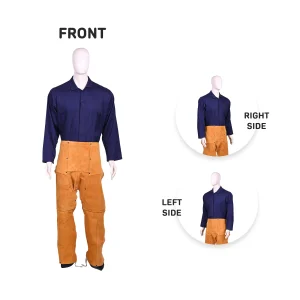
By incorporating Cow Split Leather Welding Chaps 40’’ into their gear, professionals ensure they have durable coverage without sacrificing mobility.
Comparing the Best Welding Chaps: Safety and Durability
Not all chaps are created equal. When evaluating welding chaps, professionals focus on three main factors:
- Material Quality
- Cow Split Leather: Offers excellent durability, abrasion resistance, and heat protection.
- Buff Leather: Slightly more flexible, better for mobility but less durable under repeated high-heat exposure.
- Combination Fabrics: Lighter weight but typically offer less protection against sparks.
- Length and Coverage
Full-length chaps, like the 40’’ options, provide comprehensive leg protection from thigh to ankle. Shorter chaps may leave gaps that expose your lower legs.
- Adjustability and Comfort
Proper fit prevents slippage and ensures mobility. Adjustable waist straps and leg buckles are essential features.
Benefits of Leather Welding Apparel
Leather chaps are part of a broader category of Leather Welding Apparel that offers several practical benefits:
- Heat and spark resistance: Essential in high-temperature welding operations.
- Durability: High-quality leather withstands repeated use and harsh environments.
- Ease of use: Chaps can be worn over regular pants, making them versatile for different tasks.
- Layering capability: Works in tandem with jackets, gloves, and welding sleeves for full protection.
Professionals often pair chaps with flame-resistant jackets for maximum coverage, especially during overhead welding or grinding operations.
Common Mistakes Welders Make With Chaps
Even experienced welders sometimes misuse protective gear. Avoid these common mistakes:
- Assuming regular work pants are enough: Sparks can burn through ordinary fabric.
- Only wearing chaps during “big” jobs: Injuries often occur during routine welding.
- Choosing style over function: Thickness, leather quality, and coverage matter more than appearance.
- Ignoring proper maintenance: Damaged or worn chaps compromise safety.
Expert Tips for Choosing the Right Welding Chaps
Layer Smartly
For optimal protection, chaps should complement your full safety setup: helmet, gloves, jacket, and welding sleeves.
Inspect Gear Regularly
Check for:
- Tears or cracks in leather
- Damaged straps or fasteners
- Worn spots that could reduce coverage
Match Chaps to Your Task
Heavy fabrication or high-heat welding requires thicker, full-length leather. Lighter jobs may allow more flexible options without sacrificing safety.
Real-World Use Cases
Fabrication Shops
In high-volume fabrication, sparks are constant. Durable leather chaps reduce clothing damage and prevent burns during repetitive work.
Construction Sites
Overhead welding or vertical surfaces expose legs to falling sparks. Chaps provide critical coverage that standard pants cannot.
Industrial Repair Work
Chaps allow workers to move freely while maintaining protection during maintenance and repair tasks in confined spaces.
Maintenance and Longevity
Proper care prolongs the lifespan of leather chaps:
- Clean after use: Remove dust and metal debris.
- Store properly: Keep leather in a cool, dry environment.
- Inspect before each shift: Look for cracks, thinning leather, or broken straps.
Worn chaps should be replaced promptly to maintain safety standards.
Layering Chaps With Other Protective Gear
For complete protection, leather welding chaps are part of a broader safety system:
- Helmets and face shields
- Flame-resistant jackets
- Welding sleeves for arm protection
- Gloves and boots
This layered approach minimizes risk and improves workplace confidence. For a broader look at comprehensive protective gear, check out this guide on for detailed recommendations.
Benefits vs. Limitations
Benefits
- High durability and long lifespan
- Excellent heat and spark resistance
- Comfortable for long shifts
- Works with multiple safety gear layers
Limitations
- May be heavier than fabric alternatives
- Requires proper maintenance
- Not a substitute for full-body jackets in extreme heat situations
Understanding these trade-offs ensures welders use chaps effectively and safely.
People Also Ask
Q: Are leather welding chaps necessary for all welders?
A: While not mandatory in every environment, they significantly reduce leg burn risks in high-heat jobs.
Q: Can chaps be worn over regular pants?
A: Yes. They’re designed to add an extra layer of protection over everyday workwear.
Q: How long should chaps last?
A: High-quality leather can last several years with proper care. Inspect regularly for wear.
Q: Are they better than fabric alternatives?
A: Leather generally offers superior heat, spark, and abrasion resistance.
Q: Should beginners wear them?
A: Yes. Leg protection is important at all experience levels.
Real-World Testimonials
I started wearing leather chaps in the shop, and minor burns became a thing of the past.
— Metal Fabricator, Texas
The 40’’ Cow Split Leather Welding Chaps provide full coverage and comfort. A must-have for overhead welding.
— Industrial Welder, Ohio
We now require all welders to wear chaps on certain projects. Injury rates have dropped significantly.
— Workshop Supervisor, Michigan
Final Thoughts
Selecting the best welding chaps isn’t just about comfort—it’s about safety, durability, and confidence on the job. Quality leather chaps like Cow Split Leather Welding Chaps 40’’ provide a protective barrier against sparks, molten metal, and abrasive debris, while allowing mobility and ease of use.
When paired with Leather Welding Apparel and welding sleeves, chaps are a vital component of a comprehensive safety system that protects welders in high-heat and demanding environments. Choosing the right gear, maintaining it properly, and wearing it consistently can prevent injuries and improve workplace efficiency.
About the Author
Unique Enterprises Editorial Team
The Unique Enterprises editorial team brings hands-on experience from industrial welding, fabrication, and construction environments. Working alongside safety specialists and professional welders, the team shares practical insights on protective gear, real-world usage, and best practices to help workers stay safe, comfortable, and productive on the job.