

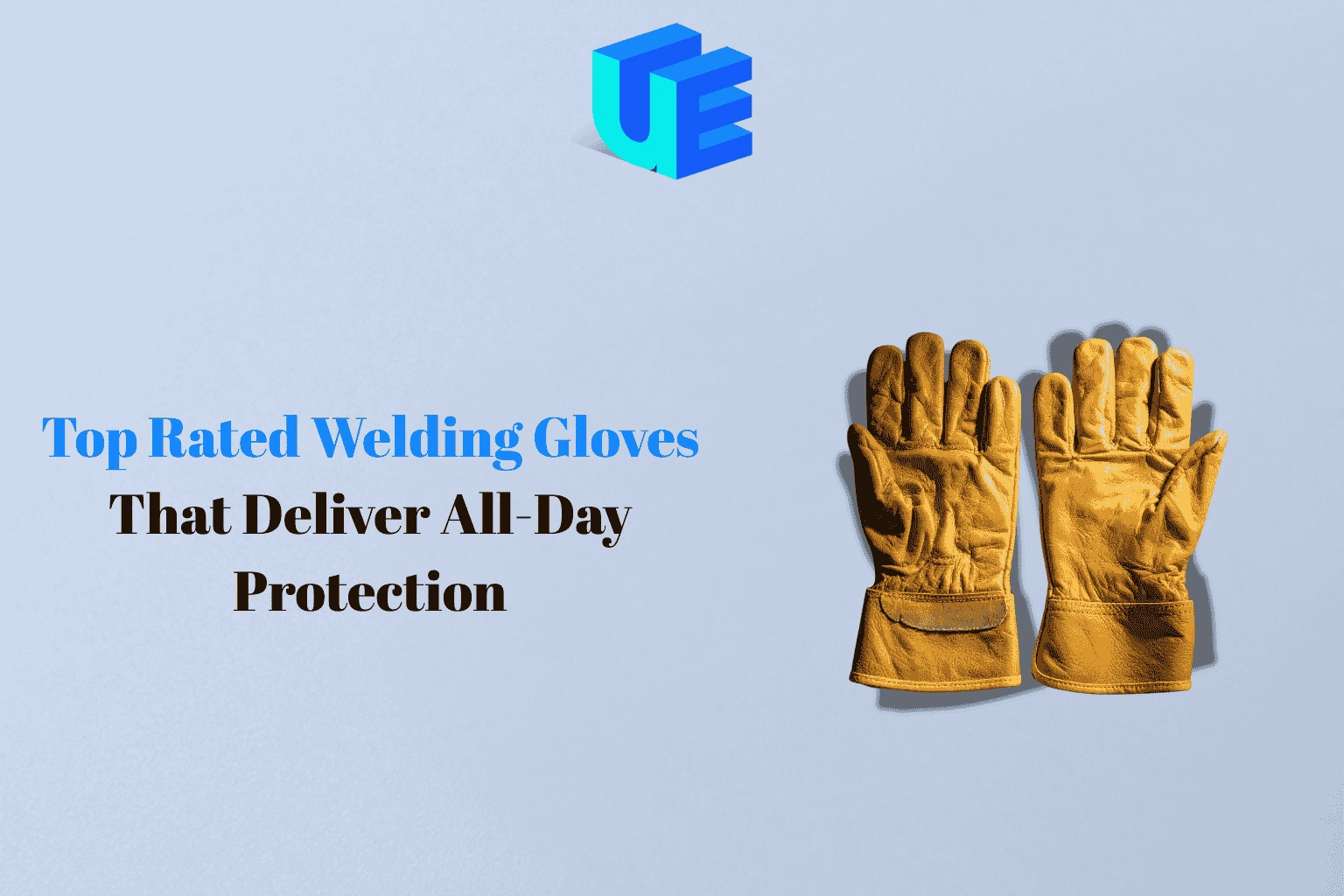
Welding is one of the most demanding hands-on trades, and the importance of proper hand protection cannot be overstated. Whether you’re working in fabrication, construction, or industrial repair, top rated welding gloves are essential for safety, control, and comfort throughout long work hours. The right pair protects against heat, sparks, abrasion, and fatigue while allowing you to maintain grip and precision.
Many professionals focus on machines and technique but overlook how much gloves impact performance and long-term safety. Poor-quality gloves can lead to burns, hand strain, and reduced control, while well-designed gloves help welders work longer with confidence. This guide explains what makes welding gloves truly reliable, how they compare with other protective gloves like canvas gloves and hot mill gloves, and how to choose the right option for your daily tasks.
Why Welding Gloves Are Critical for Daily Safety
Welding involves exposure to extreme heat, flying sparks, molten metal, and sharp materials. Your hands are constantly at risk.
Quality gloves help protect against:
- Direct heat and flame exposure
- Cuts and abrasions from metal edges
- Electric arc splatter
- Hand fatigue during long shifts
- Grip loss while handling tools
In real workshop environments, hand injuries are among the most common problems. Even experienced welders can get burned or cut when gloves are worn out or poorly fitted.
Professionals who treat hand protection as a priority tend to avoid costly injuries and downtime.
What Makes a Welding Glove “Top Rated”?
Not all gloves are built for the same level of protection. The best-performing options usually balance safety, flexibility, and durability.
Key Features That Matter
Heat Resistance
Good gloves protect hands from sustained heat and sudden contact with hot surfaces.
Durability
They should withstand rough metal handling without tearing quickly.
Comfort and Fit
If gloves are too stiff or too loose, it becomes harder to weld accurately.
Grip Control
Secure handling of tools is critical for precision work.
Extended Coverage
Many welders also use welding sleeves to protect the forearms from sparks and burns.
Types of Gloves Used Around Welding Environments
While welding-specific gloves are the primary choice, other glove types are also used in related tasks.
Canvas Gloves
Canvas gloves are often used for general material handling before or after welding.
Best for:
- Carrying metal sheets
- Light-duty shop work
- Handling equipment
Limitations:
- Not designed for high heat
- Limited flame resistance
They’re useful in workshops but not suitable as the main protection during active welding.
Hot Mill Gloves
Hot mill gloves are designed for extremely high-temperature environments such as steel mills and foundries.
Key benefits:
- Thick insulation
- High heat tolerance
- Protection during heavy-duty handling
These gloves are often used when handling hot materials right after welding processes.

Cotton Inspection Gloves
Cotton inspection gloves are used in finishing, inspection, and light handling tasks.
Common uses:
- Inspecting polished metal
- Handling delicate parts
- Preventing fingerprints
They are not heat-resistant but are useful in final production stages.
Jersey Gloves
Jersey gloves are lightweight and flexible.
Best for:
- General shop tasks
- Light-duty handling
- Cleaning and preparation work
They’re comfortable but offer minimal heat protection.
How Welding Sleeves Improve Protection
Gloves protect the hands, but sparks and heat often hit the forearms too. That’s where welding sleeves come in.
They help by:
- Preventing burns on arms
- Blocking sparks from entering sleeves
- Adding extra protection during overhead welding
In many industrial settings, gloves and sleeves are used together as part of a full safety setup.
Choosing the Right Gloves for Your Work Type
Not every welder has the same needs. Your choice should depend on the type of welding you do most.
For Heavy Industrial Welding
Look for:
- Thick heat-resistant material
- Long cuffs
- Reinforced palms
These gloves are built for harsh environments.
For Precision Welding
Focus on:
- Better finger control
- Flexible materials
- Medium heat resistance
Too much thickness can reduce control during detailed work.
For All-Day Use
Comfort becomes just as important as protection.
Choose gloves that:
- Reduce hand fatigue
- Allow airflow where possible
- Fit snugly without pressure points
Common Mistakes Welders Make When Buying Gloves
Based on real-world industry experience, here are the most frequent errors:
Choosing Based on Price Alone
Cheap gloves wear out quickly and may not offer proper heat protection.
Ignoring Fit
Loose gloves reduce control. Tight gloves cause fatigue.
Using One Pair for Every Task
Different jobs require different protection levels.
Not Replacing Worn Gloves
Even the best gloves lose effectiveness over time.
Real-World Insight from Workshop Environments
In fabrication shops and metalworking units, glove choice can directly affect productivity.
For example:
- Workers handling hot metal parts benefit from thicker protection.
- Precision welders often choose more flexible options for better control.
- Maintenance teams may switch between different glove types during the day.
Professionals who rotate gloves based on tasks tend to experience fewer injuries.
How Gloves Fit Into a Complete Safety System
Gloves are only one part of workplace safety. A complete setup includes:
- Helmets
- Face shields
- Protective clothing
- Safety footwear
To better understand how protective equipment works together, many professionals explore broader safety practices through resources like
Safety Gear.
This helps create a more complete and safer working environment.
Benefits of Investing in Reliable Welding Gloves
Good gloves offer more than just protection.
Long-Term Advantages
- Reduced hand injuries
- Better welding accuracy
- Improved grip and control
- Less fatigue during long shifts
- Lower replacement frequency
Over time, this leads to safer work habits and better productivity.
Practical Tips from Hands-On Experience
From working with industrial safety equipment and observing real job sites, here are proven tips:
- Always keep more than one pair ready
- Use task-specific gloves when possible
- Store gloves in a dry area to extend life
- Inspect gloves before each shift
- Replace them if you notice thinning or holes
One common mistake is trying to extend the life of damaged gloves. This increases the risk of burns and cuts.
Real-World Use Cases
Fabrication Workshop
A welder working long shifts switched to higher-quality gloves with better insulation. He noticed reduced hand fatigue and fewer small burns during repetitive tasks.
Automotive Repair
Technicians often use flexible gloves for detailed welding, switching to thicker options when handling hot components.
Construction Site
Workers dealing with structural welding rely on durable gloves and welding sleeves for full-arm protection during overhead work.
Customer Experiences
I used to get small burns on my hands almost weekly. After switching to better gloves, that completely stopped.
— Imran S., Metal Fabricator
We started using task-specific gloves in our workshop, and it improved both safety and productivity.
— Adeel R., Workshop Supervisor
The biggest difference was comfort. I could work longer without my hands feeling tired.
— Kashif M., Structural Welder
People Also Ask
How long do welding gloves typically last?
It depends on usage. In heavy industrial work, they may last a few months. In lighter environments, they can last longer with proper care.
Are thicker gloves always better?
Not always. Thicker gloves offer more protection but may reduce finger control for detailed welding.
Can welding gloves be used for other tasks?
Yes, they’re often used for handling hot materials, but lighter tasks may be better suited to other glove types.
How do I know when to replace them?
If you notice thinning material, holes, or reduced heat resistance, it’s time to replace them.
Should I wear sleeves along with gloves?
Yes, especially for overhead welding or environments with heavy spark exposure.
Final Thoughts
Choosing the right gloves is one of the most important decisions a welder can make for daily safety and comfort. The best protection comes from understanding your work environment, selecting appropriate materials, and maintaining your gear properly.
From canvas gloves for light handling to hot mill gloves for extreme heat environments, every type serves a purpose. Pairing the right gloves with welding sleeves and other protective equipment creates a safer and more efficient workspace.
Professionals who invest time in choosing the right hand protection often see improvements in both performance and safety. Brands and suppliers like Unique Enterprises continue to play an important role in supporting industries with reliable safety solutions and practical expertise.
Author Bio
Editorial Team – Uniqent
Our content team works closely with industrial safety professionals, workshop supervisors, and field technicians to understand real-world challenges in protective gear selection. With hands-on exposure to safety equipment across multiple industries, we focus on practical, experience-based insights that help workers stay protected and make informed decisions every day.