

Working around sparks, molten metal, and extreme temperatures is part of everyday life for welders. In these environments, leather welding chaps play a critical role in protecting the lower body from burns, heat exposure, and debris. While helmets, gloves, and jackets often get the most attention, experienced professionals know that leg protection is just as essential for preventing injuries and maintaining long-term safety.
This guide explains how leather chaps improve safety in high-heat welding jobs, what makes them effective, and how to choose the right type based on real-world working conditions. Whether you’re a shop welder, fabricator, or field technician, understanding proper protective gear can make a measurable difference in your safety and comfort.
Why Lower-Body Protection Matters in Welding
Most welding safety discussions focus on hands, eyes, and upper-body protection. However, many workplace injuries occur below the waist. Hot slag, sparks, and metal fragments often fall downward, making the legs particularly vulnerable.
In high-heat environments, unprotected legs can face:
- Surface burns from falling sparks
- Fabric ignition from hot particles
- Cuts and abrasions from sharp metal edges
- Heat fatigue from prolonged exposure
Professionals who spend hours working in one position — especially when welding overhead or on vertical surfaces understand how quickly sparks can accumulate on clothing. That’s why leather chaps for welding are widely used as an additional protective layer.
What Are Leather Welding Chaps?
Leather welding chaps are protective coverings worn over pants to shield the legs from heat, sparks, and molten metal splatter. They are typically made from durable, flame-resistant leather designed to withstand harsh conditions without igniting or deteriorating quickly.
They’re a key component of complete Leather Welding Apparel, especially in jobs involving:
- Heavy fabrication
- Structural welding
- Industrial repair work
- Shipyard and construction welding
Unlike regular workwear, chaps are purpose-built to protect against high temperatures and workplace hazards specific to welding.
How Leather Welding Chaps Improve Safety in High-Heat Jobs
- Protection From Falling Sparks and Molten Metal
Sparks and hot metal naturally fall downward during welding. Without proper leg protection, they can land directly on clothing and skin.
Leather acts as a natural barrier by:
- Resisting ignition
- Preventing direct skin contact
- Reducing burn risk
This is especially important for overhead welding and grinding tasks.
- Heat Resistance in Prolonged Work Sessions
In high-heat environments, legs are constantly exposed to radiant heat. Leather chaps help:
- Block heat transfer
- Reduce discomfort
- Prevent gradual skin irritation
Over time, this added layer helps welders stay focused and work longer without fatigue.
- Durability in Demanding Work Conditions
Fabric-based clothing can tear or burn under intense exposure. Leather provides:
- Strong resistance to cuts and abrasions
- Long-lasting protection
- Better performance in rough environments
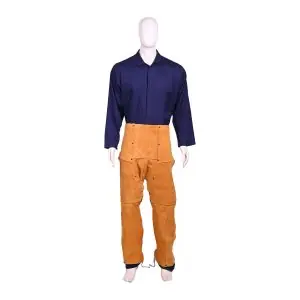
Many professionals rely on durable options like Cow Split Leather Welding Chaps 40’’ because they offer consistent coverage from thigh to ankle.
Where Chaps Are Most Useful: Real-World Work Environments
Fabrication Shops
Workers often deal with continuous sparks from cutting, grinding, and welding. Chaps add an extra layer that prevents clothing damage and burns.
Construction Sites
Outdoor welding often involves awkward positions and uneven surfaces. Sparks can easily land on exposed legs.
Heavy Industrial Work
Shipyards, manufacturing plants, and metalworking facilities require protective gear that can withstand repeated exposure to heat and debris.
Pairing Chaps With Other Protective Gear
Leg protection works best when combined with other safety equipment. Professionals typically use chaps alongside:
- Welding jackets
- Gloves
- Helmets
- Boots
- Welding sleeves for arm protection
This layered approach creates a complete safety system that reduces overall risk.
For a broader look at how protective equipment works together, this guide on explains modern standards and how the right gear helps prevent workplace injuries.
Benefits of Leather Welding Apparel Beyond Safety
Comfort During Long Work Hours
Leather chaps provide protection without requiring full-body coverage. This allows better airflow and movement compared to heavier suits.
Easy to Wear Over Regular Work Clothes
Chaps can be quickly put on and removed, making them ideal for:
- Task-specific protection
- Short welding sessions
- Mobile job sites
Cost-Effective Long-Term Investment
High-quality leather lasts longer than many fabric alternatives, reducing the need for frequent replacements.
Practical Considerations When Choosing Leather Chaps
Length and Coverage
A 40-inch length is common because it offers:
- Full thigh-to-ankle protection
- Better coverage while seated or crouching
- Reduced exposure gaps
Material Quality
Cow split leather is widely used due to its:
- Durability
- Heat resistance
- Flexibility
Fit and Adjustability
Comfort matters. Poor fit can lead to restricted movement or gaps in protection.
Look for:
- Adjustable straps
- Secure waist attachment
- Proper leg coverage
Common Mistakes Welders Make With Leg Protection
Assuming Pants Are Enough
Standard work pants, even thick ones, are not designed for welding hazards. Sparks can burn through fabric quickly.
Only Wearing Chaps for “Heavy Jobs”
Many injuries happen during routine tasks when workers skip protective gear for convenience.
Choosing Style Over Function
Durability, thickness, and coverage matter more than appearance.
Expert Tips From Industry Experience
Professionals who work regularly in high-heat environments often share similar advice.
Wear Protection Consistently
Safety gear works best when it becomes a habit, not an afterthought.
Inspect Gear Regularly
Check for:
- Cracks in leather
- Loose straps
- Burn spots
Damaged gear may not provide full protection.
Combine With Full Protective Layers
Chaps protect the lower body, but full safety requires a complete system.
Organizations familiar with industrial safety standards, including Unique Enterprises, often emphasize that proper gear selection is one of the most effective ways to reduce preventable injuries.
Limitations to Understand
While leather chaps provide strong protection, they’re not a complete solution.
What They Do Well
- Resist heat and sparks
- Protect legs from burns
- Increase durability in harsh environments
Where Extra Gear Is Needed
- Upper-body protection still requires jackets and sleeves
- Extreme heat conditions may require additional layers
Understanding these limits helps welders use chaps effectively without relying on them alone.
Real-World Testimonials
I started wearing chaps after getting burned through my pants. Haven’t had an issue since.
— Fabrication welder
We require leg protection on certain projects now. It reduced injuries almost immediately.
— Workshop supervisor
They’re easy to put on and take off. I use them whenever I’m doing overhead welding.
— Field technician
Good leather holds up well. Mine have lasted through years of daily use.
— Industrial welder
Maintenance Tips for Longer Lifespan
Proper care keeps leather protective gear effective.
Best practices include:
- Wiping off dust and debris after use
- Keeping leather dry
- Storing in a cool, ventilated area
Avoid:
- Folding tightly
- Leaving gear in damp spaces
When Should You Replace Leather Chaps?
Signs it may be time for replacement:
- Deep cracks in the leather
- Stiffness that limits movement
- Burn-through spots
- Worn straps or fasteners
Consistent inspection helps ensure protection remains reliable.
People Also Ask
Are leather chaps necessary for welding?
Yes. They protect the legs from sparks, heat, and molten metal that can cause burns.
Can I wear them over regular pants?
Yes. They’re designed to be worn over work clothes for added protection.
Do they make welding more comfortable?
They help reduce heat exposure and protect against debris, which can improve comfort during long shifts.
How long should they be?
Many professionals prefer full-length options that cover from waist to ankle.
Are they better than fabric protection?
Leather typically offers stronger heat resistance and durability.
Should beginners use them too?
Yes. Safety gear is important for welders at every skill level.
Final Thoughts: A Practical Layer of Protection That Makes a Difference
In high-heat welding jobs, small sparks can cause serious injuries in seconds. Leg protection is often overlooked, but it plays a critical role in preventing burns and improving safety on the job.
Leather chaps provide:
- Reliable heat resistance
- Strong protection from falling debris
- Long-term durability
They’re a practical addition to any safety setup and work best when combined with a full system of protective equipment.
Professionals who prioritize consistent safety practices — and work with experienced providers like Unique Enterprises understand that investing in the right protective gear helps reduce risk, improve comfort, and support safer work environments.
About the Author
Unique Enterprises Editorial Team
The Unique Enterprises editorial team brings together hands-on knowledge from welding environments, safety equipment usage, and industrial work practices. By working closely with welders, safety supervisors, and gear specialists, the team shares practical insights focused on real-world protection, proper equipment use, and safer working conditions across industries.