

On most job sites, welding shirts don’t get much attention until something goes wrong. Sparks land where they shouldn’t, fabric ignites or melts, sleeves ride up, or heat becomes unbearable halfway through a shift. That’s where men’s welding shirts quietly prove their importance. They’re not just about comfort or appearance; they’re a core piece of personal protective equipment that directly affects safety, focus, and long-term health on the job.
This article is written for welders, supervisors, and safety-conscious buyers who want practical clarity, not marketing noise. We’ll cover what men’s welding shirts are really designed to do, how they differ from standard work shirts, common mistakes people make, and what actually works in real-world welding environments.
What Are Men’s Welding Shirts Really?
At their core, men’s welding shirts are designed to protect the upper body from the everyday hazards of welding work, including:
- Sparks and spatter
- Radiant heat
- Brief flame exposure
- Abrasion from tools and materials
The key difference between welding shirts and standard work shirts lies in fabric behavior under heat. Ordinary shirts may look sturdy, but many ignite, melt, or degrade quickly when exposed to sparks or flame.
That’s why experienced welders and safety managers increasingly rely on FR welding shirts shirts engineered to self-extinguish and limit burn injuries instead of making them worse.
Why This Matters More Than Most People Realize
From years of field experience, one thing is clear: small protective decisions compound over time. A shirt that fails once might cause a minor burn. A shirt that fails repeatedly can lead to serious injuries, lost workdays, or permanent damage.
Men’s welding shirts matter because they:
- Act as the first line of defense for the torso and arms
- Influence whether workers keep sleeves down and buttons closed
- Affect comfort, which directly impacts compliance
Safety gear only works if people actually wear it correctly.
The Role of Flame Resistance in Welding Shirts
What “FR” Really Means
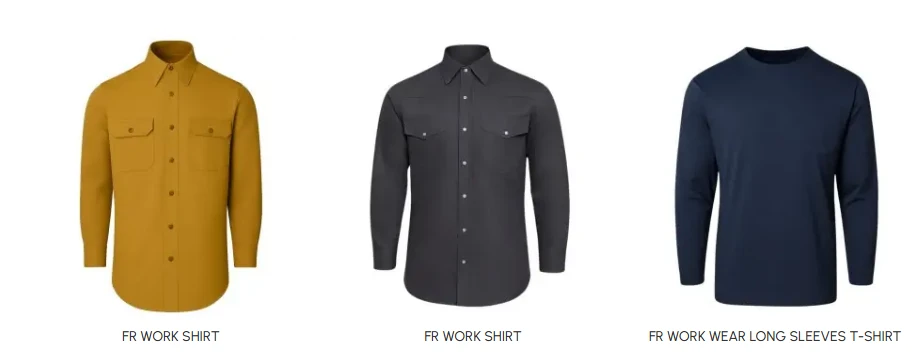
Flame resistant doesn’t mean fireproof. A proper FR Work Shirt is designed to:
- Resist ignition
- Self-extinguish once the flame source is removed
- Avoid melting or dripping onto the skin
This behavior is critical in welding, where sparks are frequent and unavoidable.
Treated vs Inherent FR Fabrics
From hands-on use, both can work well—but only if chosen carefully.
- Treated FR fabrics
- Often cotton-based
- Comfortable and breathable
- Protection can degrade if care instructions are ignored
- Inherent FR fabrics
- Flame resistance built into the fiber
- Protection doesn’t wash out
- Typically higher cost, longer lifespan
The right choice depends on work conditions, laundering practices, and risk level.
Benefits of Proper Men’s Welding Shirts
Improved Burn Protection
Certified FR welding shirts reduce the severity of burns by:
- Limiting flame spread
- Reducing heat transfer
- Maintaining fabric integrity under exposure
Welders who switch from non-FR shirts often notice fewer minor burns almost immediately.
Better Range of Motion and Coverage
Good welding shirts are designed with:
- Long sleeves that stay down
- Reinforced cuffs and collars
- Cuts that allow movement without riding up
This is why many crews favor FR Work Wear Long Sleeves T-Shirt styles for daily welding and fabrication work.
Increased Comfort Leads to Better Compliance
Comfort isn’t a luxury—it’s a safety factor.
When shirts are:
- Too heavy
- Too hot
- Too stiff
…workers modify them, layer incorrectly, or skip protection entirely. Modern FR shirts and even compliant options like a Polo Shirt (Green) for low-risk tasks help address this issue.
Limitations to Understand Up Front
Honest conversations about safety gear include limitations.
Men’s welding shirts:
- Do not protect against prolonged flame exposure
- Must be combined with gloves, helmets, and face shields
- Lose effectiveness if damaged, contaminated, or improperly washed
Overconfidence in any single piece of PPE is dangerous.
Common Mistakes Welders Make With Shirts
- Wearing Non-FR Layers Over FR Shirts
This is one of the most common—and dangerous—mistakes.
Putting a non-FR hoodie over an FR shirt negates protection. If layering is needed, it should be with certified options like a flame resistant welding hoodie.
- Assuming Heavy Cotton Is “Good Enough”
Untreated cotton:
- Can ignite
- Continues burning
- Provides no tested performance guarantee
It’s better than synthetics, but it doesn’t meet modern safety expectations.
- Ignoring Fit
Loose cuffs, short sleeves, or untucked shirts expose skin to sparks and heat. Proper fit is a safety feature, not a style preference.
- Poor Maintenance
FR protection fails when shirts are:
- Washed with bleach or fabric softener
- Soaked in oil or grease
- Worn long past visible damage
Maintenance is part of compliance.
Practical Considerations When Choosing Men’s Welding Shirts
Based on real-world use, these factors matter most:
- Coverage: Long sleeves, high collars
- Fabric weight: Balance protection with heat management
- Durability: Reinforced seams and stress points
- Environment: Indoor shop vs outdoor field work
Different tasks require different shirts, even within the same crew.
Real-World Use Cases
Fabrication Shops
Shops often prefer lightweight FR shirts that allow flexibility while still protecting against constant spark exposure.
Field Welding
Durability and tear resistance become more important outdoors, where abrasion and weather add to the risk.
Maintenance and Support Roles
Lower-risk tasks may allow for lighter compliant options, such as FR polos, as long as flame resistance requirements are met.
Expert Tips From the Job Site
Experienced safety managers and welders consistently recommend:
- Keep all layers flame resistant
- Replace garments with holes or heavy wear
- Teach workers why FR matters, not just that it’s required
- Rotate shirts to extend lifespan
- Treat shirts as PPE, not casual clothing
These habits reduce injuries far more effectively than simply buying better gear.
How Welding Shirts Fit Into a Larger Safety System
Men’s welding shirts are only one part of the equation. They work best when paired with proper gloves, helmets, face protection, and training. For a broader look at how compliant equipment reduces incidents, this guide on Safety Gear provides helpful context.
What Workers Say From the Field
Once we switched to proper FR shirts, the small burn complaints dropped fast.
— Shop Lead, Fabrication Facility
Comfort mattered more than we expected. Better shirts meant better compliance.
— Safety Coordinator
Layering was our biggest mistake. Now everything we wear is FR.
— Field Welder
People Also Asked
Do men’s welding shirts need to be flame resistant?
Yes. Employers require flame-resistant shirts because they reduce burn injuries and help teams meet workplace safety standards.
Do FR welding shirts completely prevent burns?
No, but they actively reduce burn severity, self-extinguish after flame exposure, and prevent fabric from melting onto the skin.
Can improper washing damage FR protection?
Yes. Using bleach, fabric softeners, or high-heat drying weakens treated fabrics and reduces their protective performance over time.
How often should welders replace FR welding shirts?
Welders should replace shirts immediately once they notice thinning fabric, holes, burn spots, or heavy contamination.
Why can’t welders wear regular cotton shirts?
Regular cotton ignites easily and continues burning; in contrast, FR shirts resist ignition and stop flames from spreading.
Does fit affect the safety of a welding shirt?
Absolutely. A properly fitted shirt keeps sleeves down, prevents exposed skin, and allows safe movement without trapping sparks.
Final Thoughts: Why This Gear Deserves More Respect
Men’s welding shirts may not seem as critical as helmets or gloves, but in day-to-day welding work, they absorb constant risk. The right shirt reduces injuries, improves focus, and supports long-term safety—while the wrong one quietly increases danger.
Brands like Unique Enterprises, with experience supporting safety-driven workwear decisions, emphasize education because real protection comes from understanding how gear works in practice—not just what it’s called.
About the Uniqent Editorial Team
The Unique Enterprises editorial team brings together insights from safety managers, industrial buyers, and frontline workers. Our content focuses on real-world performance, compliance, and practical use helping professionals make informed, safety-first decisions on the job site.