

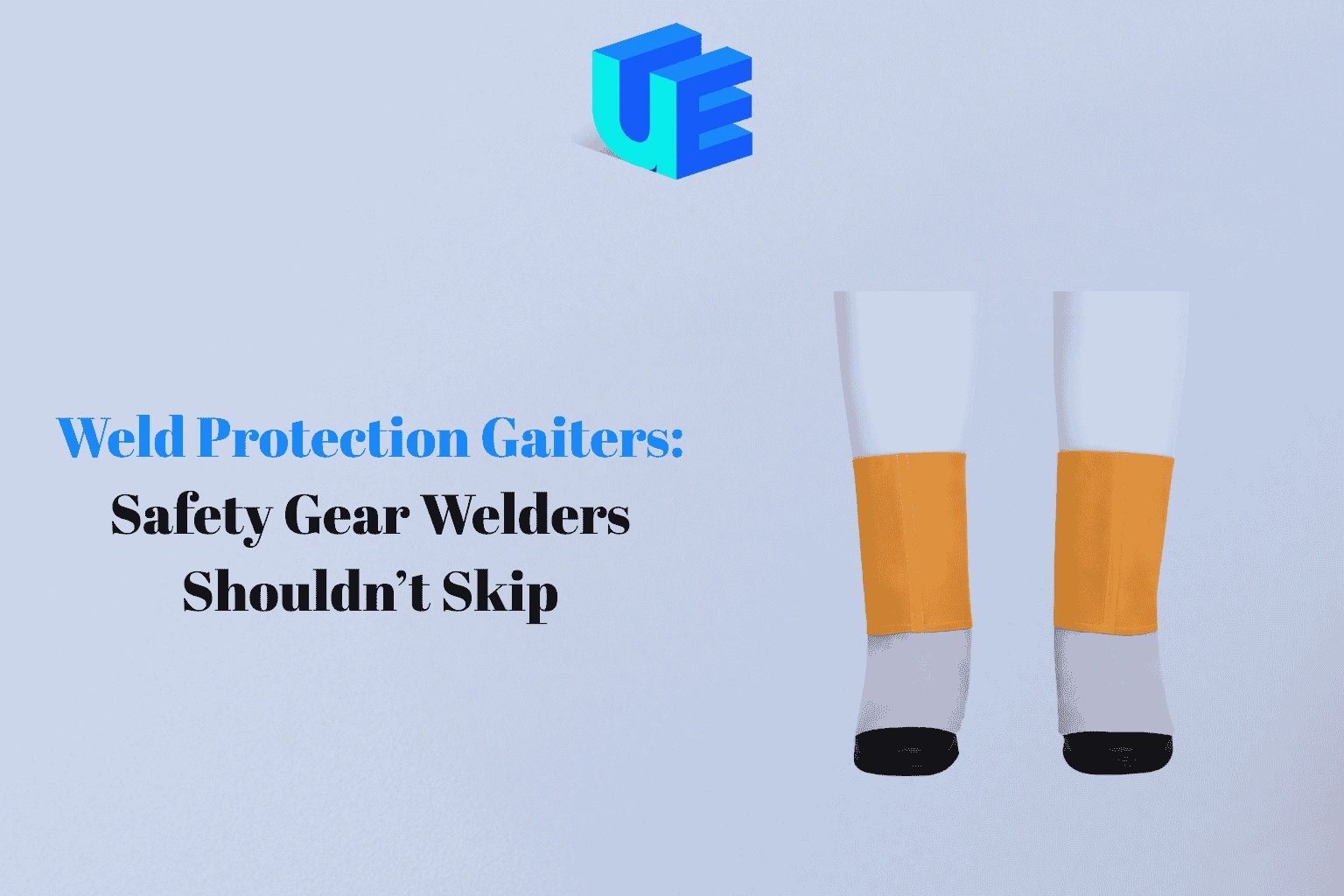
Weld protection gaiters are one of the most overlooked yet essential pieces of personal protective equipment in welding environments. While most welders focus on helmets, gloves, and jackets, the lower legs and feet often remain exposed to sparks, slag, and heat. Over time, that exposure can lead to burns, damaged footwear, and even serious workplace injuries. Whether you’re working in fabrication, construction, or maintenance, understanding how welding gaiters work and when to use them can make a meaningful difference in safety and comfort.
This guide explains what weld protection gaiters are, why they matter, how to choose the right type, and what experienced welders have learned through real-world use.
What Are Weld Protection Gaiters?
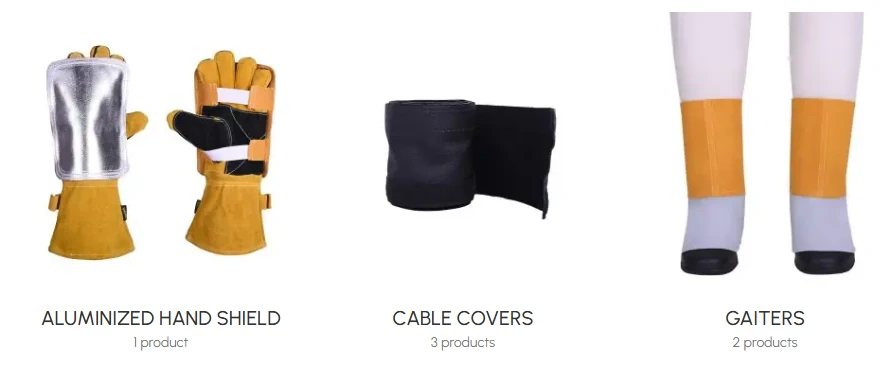
Weld protection gaiters are protective coverings worn over boots and lower legs to shield against sparks, molten metal, slag, and heat. They are designed to wrap securely around the ankle and calf area, creating a barrier between hot debris and exposed surfaces.
These coverings are typically made from heat-resistant materials like leather and are considered a core part of LEATHER WELDING ACCESSORIES used in high-temperature work environments.
Why the lower leg area needs protection
In many welding positions, gravity works against you. Sparks and hot metal often fall downward, collecting around boots, pant cuffs, and ankles. Without protection:
- Sparks can slip into boot openings
- Pant legs can ignite or melt
- Heat exposure can cause skin burns
- Footwear can deteriorate quickly
This is why many experienced professionals consider welding gaiters a practical addition to standard safety gear.
Why Welders Shouldn’t Skip Gaiters
In real job site conditions, the most common welding injuries aren’t always dramatic—they’re small, frequent burns caused by falling slag. These often happen around the ankle area, where protection is limited.
Common risks gaiters help reduce
- Hot sparks entering boots
- Slag buildup on shoe tops
- Burns to the lower leg
- Premature wear on work boots
- Clothing damage from heat exposure
From a hands-on perspective, one of the most frequent mistakes new welders make is assuming their boots alone provide enough protection. In reality, even sturdy work boots have gaps at the tongue or laces where sparks can enter.
Types of Welding Gaiters and Materials
Not all gaiters are the same. The material, fit, and coverage area can affect how well they perform.
Leather: The most common choice
Leather is widely used because it:
- Resists heat and sparks
- Offers durability under harsh conditions
- Conforms comfortably over time
- Withstands repeated exposure
Many professionals rely on products like Leather Welders Gaiters (Pair) for consistent protection in daily work environments. Leather naturally absorbs and dissipates heat better than many synthetic alternatives.
Other materials sometimes used
While leather is the most trusted, some gaiters are made from:
- Fire-resistant fabrics
- Treated canvas
- Synthetic heat-resistant blends
These can work in lighter-duty environments but may not hold up as well in high-spark conditions.
Key Benefits of Using Welding Gaiters
When used correctly, gaiters provide practical, everyday protection that supports safer work habits.
- Foot and ankle protection
This is their primary function. Gaiters create a barrier that prevents hot debris from entering boot openings.
- Extended footwear lifespan
Boots exposed to constant sparks and slag wear out quickly. Gaiters reduce:
- Burn marks
- Material breakdown
- Lace damage
- Increased comfort
Without protection, welders often feel sparks hitting their legs throughout the day. Gaiters reduce that constant distraction.
- Cleaner work environment
They help prevent debris from collecting inside pant legs and boots, reducing cleanup and irritation.
Practical Considerations Before Choosing Gaiters
Choosing the right protective gear isn’t just about grabbing the first option available. It’s about finding something that fits your working conditions.
Fit and coverage
Proper fit matters more than many realize. Gaiters should:
- Cover the top of the boot fully
- Extend up the lower leg
- Fasten securely without slipping
Loose gaiters can allow sparks to enter from gaps.
Closure systems
Look for secure closure methods such as:
- Adjustable straps
- Buckles
- Hook-and-loop fasteners
These keep the gaiters in place during movement.
Work environment
Different welding settings require different levels of protection.
- Heavy fabrication → thicker leather
- Light welding → moderate coverage may suffice
- Outdoor work → weather-resistant materials help
Common Mistakes Welders Make
From years of observing job site safety habits, certain patterns come up again and again.
Relying only on boots
Many believe steel-toe boots provide complete protection. They don’t. The opening around the ankle is still vulnerable.
Wearing pants over boots without protection
Pant legs can trap sparks and heat. Without gaiters, this increases burn risk.
Using worn-out gear too long
Damaged gaiters lose effectiveness. Cracked leather or broken fasteners can leave gaps.
Skipping them for “quick jobs”
Short welding tasks are still dangerous. Many minor burns happen during quick repairs when safety steps are skipped.
How Gaiters Fit Into a Complete Safety System
Weld protection gaiters should be seen as part of a larger safety approach—not a standalone solution.
A well-rounded setup typically includes:
- Welding helmet
- Gloves
- Jacket or apron
- Flame-resistant clothing
- Boot protection
If you’re building a complete safety kit, this resource on explains how modern protective equipment standards are evolving and why the right combination matters.
Real-World Use Cases
Fabrication shops
Workers frequently weld overhead or at angles, causing sparks to fall directly downward. Gaiters help protect from constant exposure.
Construction sites
Outdoor welding often involves awkward positions. Debris can land on boots repeatedly throughout the day.
Maintenance and repair work
Quick welding jobs in tight spaces can create unpredictable spark patterns.
In all these situations, welding gaiters serve as a simple, reliable protective layer.
Limitations to Be Aware Of
While helpful, gaiters are not a replacement for full protective clothing.
They don’t cover everything
They protect the lower leg and foot area but don’t replace:
- Fire-resistant pants
- Jackets
- Aprons
Heat buildup
In hot environments, wearing additional layers can increase warmth. Choosing breathable designs helps.
Maintenance is necessary
Leather should be:
- Cleaned occasionally
- Stored dry
- Checked for damage
Expert Tips from Real Job Site Experience
These practical insights come from real-world use rather than theory.
Put them on before starting
Once sparks start flying, it’s too late to adjust gear.
Keep pant legs outside the gaiters
This prevents sparks from slipping underneath.
Check straps regularly
Loose straps reduce protection.
Replace when heavily damaged
Cracks and holes compromise safety.
How to Know When You Need Gaiters
If you’re regularly exposed to:
- Falling sparks
- Overhead welding
- Slag splatter
- High-heat environments
Then gaiters are worth serious consideration.
Even occasional welders benefit from having a pair ready when needed.
Customer Experiences
Here are some real-world perspectives from welders who added gaiters to their routine:
I used to get small burns around my ankles almost weekly. After adding gaiters, that stopped completely.
My work boots used to wear out fast from sparks. Now they last much longer.
I didn’t think they were necessary at first, but they made a big difference when welding overhead.
They’re simple, but they solve a real problem. I wear them every day now.
FAQ:
Do welders really need gaiters?
Yes, especially in environments where sparks fall toward the feet. They help prevent burns and protect footwear.
Are leather gaiters better than fabric ones?
Leather typically handles heat and sparks more effectively and lasts longer in demanding conditions.
Can gaiters be worn over any work boots?
Most designs fit over standard work boots, as long as they cover the top securely.
How long do welding gaiters last?
With regular use, leather versions can last a long time if maintained and not heavily damaged.
Are they necessary for small welding jobs?
Even short tasks produce sparks. Many injuries happen during quick jobs when safety gear is skipped.
Final Thoughts
Weld protection gaiters may not be the first piece of equipment people think about, but they play an important role in everyday safety. By protecting one of the most exposed parts of the body—the lower leg and foot area they help reduce common injuries, improve comfort, and extend the life of footwear.
From a practical standpoint, the biggest lesson from real-world use is simple: small protective steps make a big difference over time. Consistent use of reliable gear leads to fewer interruptions, fewer injuries, and better long-term safety habits.
For anyone working regularly in welding environments, adding gaiters to your setup is a practical decision rooted in prevention, not just protection.
Author Bio
Uniqent Editorial Team
The Unique Enterprises editorial team brings hands-on industry knowledge from working closely with safety equipment, industrial gear, and protective materials used in real-world job environments. Their insights are shaped by feedback from professionals in welding, construction, and manufacturing, focusing on practical guidance that helps workers stay safer and make informed equipment decisions.