

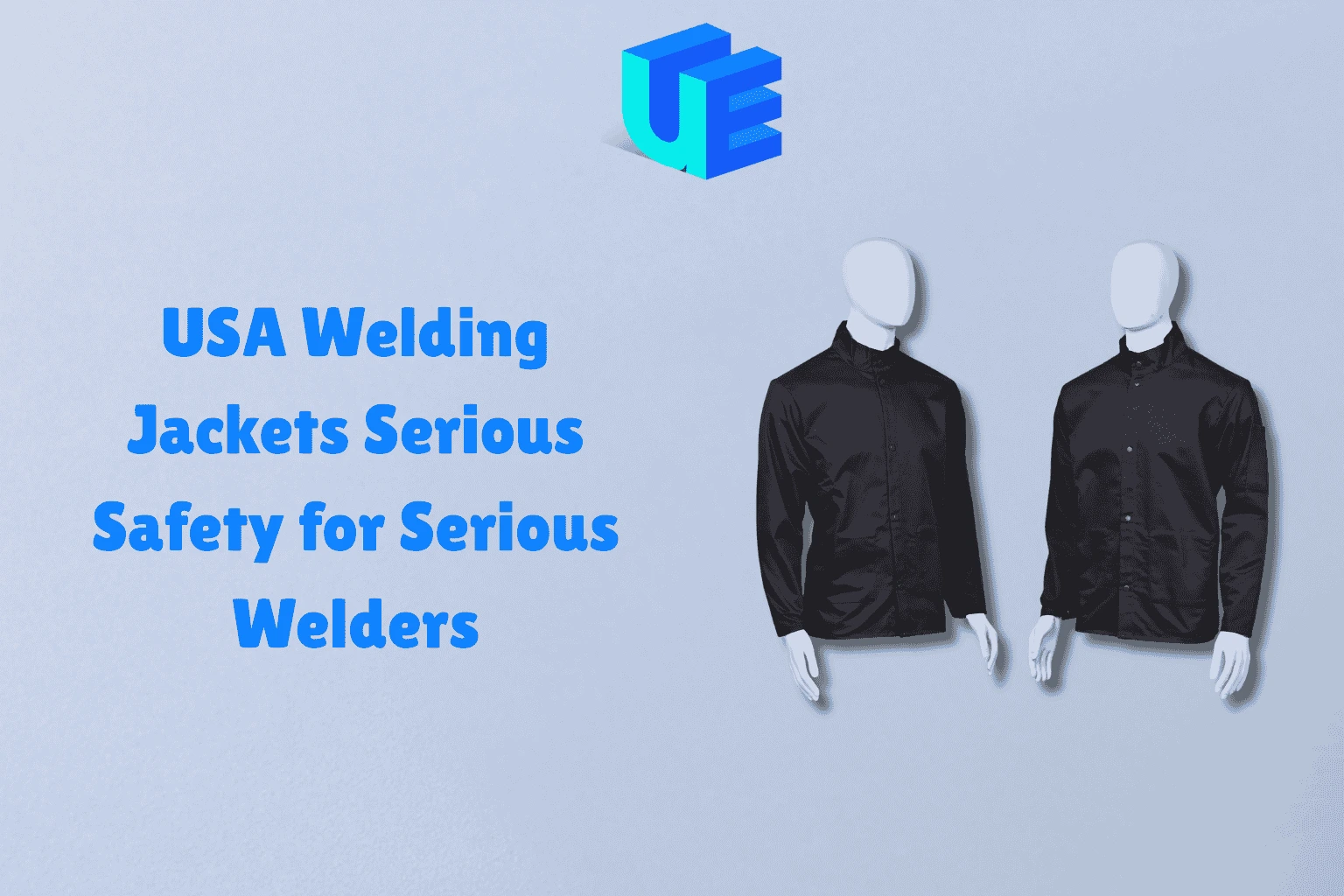
Every experienced welder knows this truth: sparks don’t warn you, slag doesn’t slow down, and heat doesn’t forgive mistakes. One poorly protected shift can leave lasting burns, ruined clothing, or worse. That’s why USA welding jackets aren’t just workwear—they’re essential safety equipment.
At Uniqent, welding jackets are designed for real job sites, not showroom floors. Whether you’re fabricating steel frames, working pipeline welds, or handling high-amp MIG jobs, the right jacket protects your arms, torso, and shoulders from heat, sparks, and molten metal.
This guide breaks down everything serious welders need to know about welding jackets: materials, use cases, comparisons with FR shirts, and how to choose gear that actually performs under pressure.
Search Intent: What Welders Want When They Search “USA Welding Jackets”
The search intent behind USA welding jackets is both informational and commercial.
Welders are looking to:
- Understand which jackets offer real protection
- Compare leather welding apparel vs FR fabric
- Choose gear made for American job standards
- Invest in safety clothing that lasts
This article is written from a practical, real-world welding perspective—no fluff, no theory-only advice.
Why Welding Jackets Matter More Than You Think
Burn injuries often don’t happen because of carelessness. They happen because of inadequate protection.
Common Risks Without Proper Welding Jackets
- Sparks entering sleeves or chest areas
- Slag burns through thin cotton clothing
- UV exposure causing “welder’s sunburn”
- Heat stress from non-breathable materials
High-quality USA welding jackets are engineered to handle these risks while maintaining mobility and comfort during long shifts.
What Defines a High-Quality USA Welding Jacket?
Not all welding jackets are created equal. Serious welders look for specific features that separate protective gear from disposable clothing.
1. Flame-Resistant Materials
A proper welding jacket won’t ignite or melt when exposed to sparks. Materials commonly include:
- Treated FR cotton
- Split cowhide leather
- Hybrid fabric-and-leather blends
2. Reinforced Stress Areas
The shoulders, sleeves, and chest take the most abuse. Premium jackets reinforce these zones to prevent early wear.
3. Proper Fit for Movement
A jacket should protect without restricting arm movement, especially for overhead or vertical welds.
4. Durable Closures
Metal snaps or heat-resistant buttons outperform plastic zippers that melt under heat.
Leather Welding Apparel vs FR Fabric Jackets
Choosing between leather welding apparel and FR fabric jackets depends on your welding environment.
Leather Welding Apparel
Best for: Heavy stick welding, flux-core welding, high-spark environments
Pros
- Maximum spark and slag resistance
- Excellent durability
- Strong heat shielding
Cons
- Heavier weight
- Less breathable in hot conditions
FR Fabric Welding Jackets
Best for: MIG, TIG, shop welding, warmer climates
Pros
- Lightweight and breathable
- Easier movement
- Comfortable for long shifts
Cons
- Less protection than full leather in extreme conditions
Uniqent offers both options so welders can choose based on job demands—not guesswork.
When to Choose FR Shirts vs Welding Jackets
Many welders ask whether FR shirts are enough.
FR Shirts Work Well When:
- Sparks are minimal
- Welding is light or intermittent
- Extra layers aren’t needed
Welding Jackets Are Essential When:
- Welding overhead or vertical
- Working with high amperage
- Handling slag-producing processes
Professional welders often use FR shirts as a base layer and add welding jackets for full protection.
Real-World Use Cases for USA Welding Jackets
Structural Steel Welding
Heavy sparks and falling slag make leather jackets the safest option.
Pipeline and Field Welding
Durability matters more than weight. Jackets must survive rough conditions and repeated exposure.
Fabrication Shops
FR fabric jackets balance protection and comfort for repetitive work.
Automotive and Custom Metal Work
Lightweight jackets allow precision without sacrificing safety.
Step-by-Step: How to Choose the Right Welding Jacket
Step 1: Identify Your Welding Process
Stick and flux-core require heavier protection than TIG.
Step 2: Consider Your Environment
Indoor shops differ from outdoor job sites in airflow and heat exposure.
Step 3: Decide on Material
Leather for maximum protection. FR fabric for comfort and flexibility.
Step 4: Check Sizing and Fit
Loose sleeves invite sparks. Tight jackets restrict movement.
Step 5: Inspect Stitching and Closures
Double stitching and metal fasteners extend lifespan.
Pros and Cons of USA Welding Jackets
Pros
- Superior protection from sparks and slag
- Reduced burn injuries
- Longer garment lifespan
- Compliance with safety standards
Cons
- Higher upfront cost
- Leather options may feel heavy
- Requires proper storage and maintenance
The trade-off favors safety every time.
Expert Insights from the Field
Experienced welders often rotate jackets depending on the job. Leather jackets for high-risk welds. FR fabric jackets for lighter tasks. The smartest approach is owning more than one option.
Uniqent designs its USA welding jackets based on feedback from working professionals, not marketing assumptions.
Caring for Your Welding Jacket
- Hang jackets after shifts to air out moisture
- Spot-clean leather; avoid machine washing
- Wash FR fabric according to manufacturer guidelines
- Inspect seams and closures monthly
Proper care extends performance and safety.
Real User Testimonials
- “Uniqent’s welding jacket saved my arms during overhead stick welding. Worth every dollar.” – M.K., Fabricator
- “I switched from cheap cotton jackets to Uniqent. Night and day difference.” – R.S., Pipeline Welder
- “The fit allows full movement without exposing skin. That matters on long shifts.” – J.T., Shop Welder
- “Leather quality is solid and doesn’t crack after heavy use.” – A.K., Metalworker
- “Finally, a jacket that’s built for real welding, not just looks.” – D.P., Field Welder
People Also Ask (FAQs)
- What are USA welding jackets used for?
They protect welders from sparks, heat, slag, and UV exposure during welding operations. - Are leather welding jackets better than FR fabric?
Leather offers more protection, while FR fabric provides better comfort and breathability. - Can FR shirts replace welding jackets?
FR shirts help but don’t replace jackets in high-spark or overhead welding. - How long do welding jackets last?
With proper care, quality jackets can last several years. - Are Uniqent welding jackets suitable for professional welders?
Yes, they are designed for demanding industrial and field environments. - Do welding jackets restrict movement?
Properly fitted jackets protect without limiting mobility.
Final Thoughts: Safety Is Not Optional
Welding is unforgiving work. Burns, injuries, and long-term damage often come from cutting corners on safety gear. Investing in high-quality usa welding jackets isn’t about comfort—it’s about going home safe after every shift.
Uniqent builds welding jackets for people who weld for a living. No gimmicks. No shortcuts. Just real protection for real welders.
Explore Uniqent Welding Jackets:
Author Bio
Uniqent Team
Designers and suppliers of professional-grade welding apparel built for real-world performance. Our mission is to protect welders with gear that works as hard as they do.