

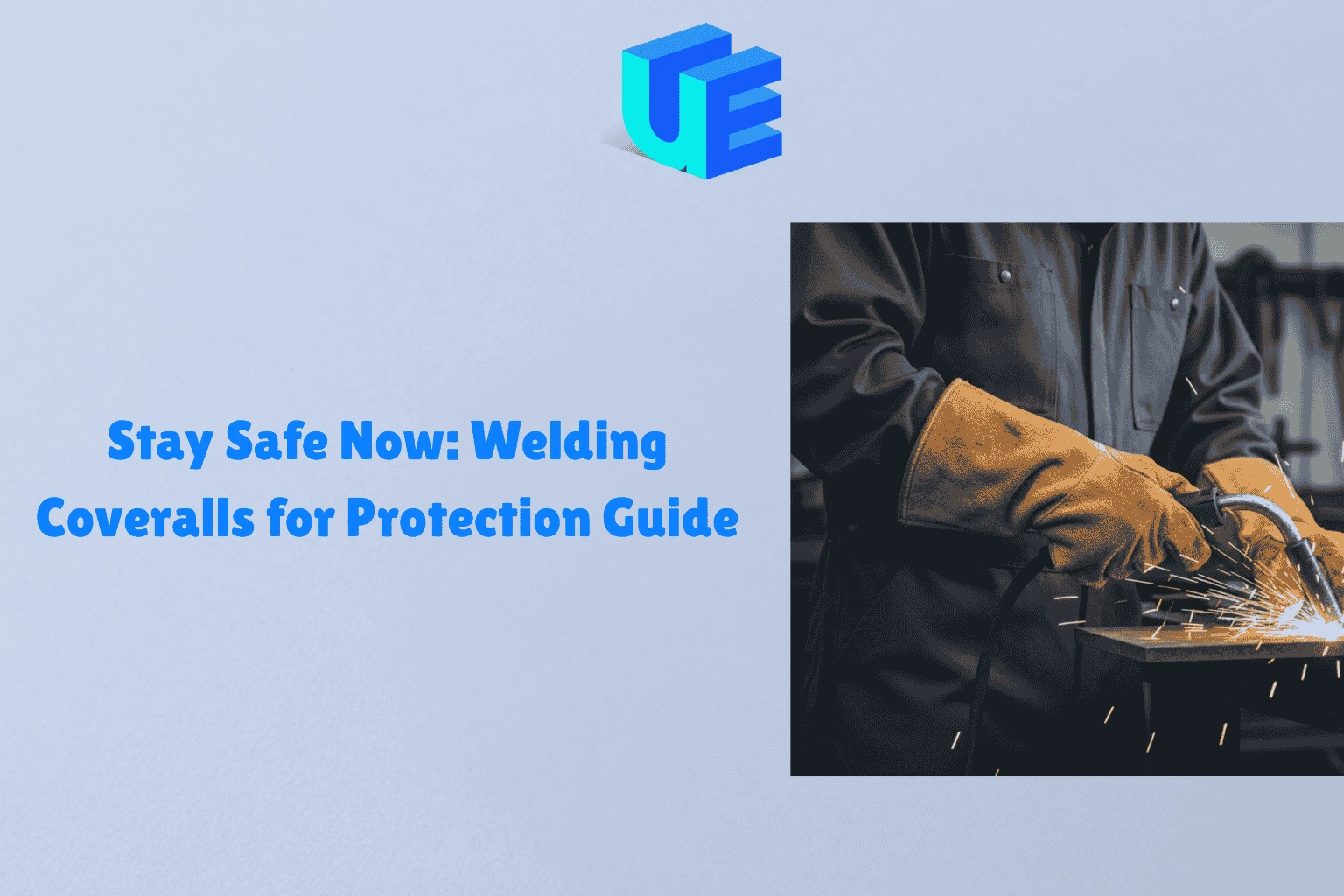
Welding is one of the most hazardous hands-on trades, and proper protective gear isn’t optional it’s essential. Among all PPE, welding coveralls for protection play a critical role in shielding workers from sparks, molten metal, radiant heat, and flame exposure. Yet, many welders underestimate their importance or choose the wrong type, leading to preventable injuries.
This guide breaks down everything you need to know about welding coveralls from materials and safety standards to real-world usage insights so you can make informed, practical decisions that actually improve safety on the job.
Why Welding Coveralls Matter More Than You Think
In real job site conditions, hazards don’t come one at a time. A welder might face:
- Flying sparks and slag
- Intense radiant heat
- Flash fire risks
- Abrasive surfaces
Regular clothing even thick denim doesn’t provide reliable protection. It can ignite, melt, or degrade quickly under heat.
That’s where purpose-built welding coveralls come in. They are designed to:
- Resist ignition
- Self-extinguish when exposed to flame
- Protect the entire body with minimal exposure points
From hands-on industry experience, one of the most common mistakes is relying on partial protection like jackets without full-body coverage. Sparks don’t stay predictable, and exposed areas are often where injuries occur.
What Are Welding Coveralls?
Welding coveralls are full-body protective garments made from flame-resistant (FR) materials. Unlike standard workwear, they are engineered specifically for high-heat and flame environments.
Key Characteristics
- Flame-resistant or flame-retardant fabric
- Full-body coverage (arms, legs, torso)
- Reinforced seams and stress points
- Secure closures to prevent spark entry
Types of Welding Coveralls
Not all coveralls are built the same. Understanding the differences helps you choose based on your work environment.
1. Flame-Resistant (FR) Cotton Coveralls
These are among the most commonly used.
Best for:
- Light to moderate welding
- Indoor environments
Pros:
- Breathable
- Comfortable for long shifts
Limitations:
- May wear out faster under heavy exposure
2. Treated Fabric Coveralls
These fabrics are chemically treated for flame resistance.
Pros:
- Cost-effective
- Widely available
Cons:
- Protection can reduce over time with washing
3. Inherently Flame-Resistant Fabrics
These materials have built-in flame resistance at the fiber level.
Pros:
- Long-lasting protection
- Better durability
Cons:
- Higher upfront cost
Key Features to Look For
When selecting welding coveralls, focus on performance—not just price.
Essential Features
- High heat resistance
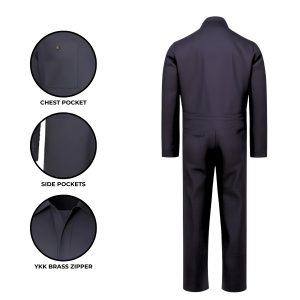
- Secure closures (zippers with flaps, snaps)
- Elastic or adjustable cuffs
- Reinforced knees and elbows
- Proper fit (not too loose, not too tight)
Why Fit Matters
Loose clothing can catch sparks, while overly tight coveralls restrict movement and increase fatigue.
From real-world observation, poor fit is one of the top reasons workers avoid wearing coveralls consistently.
Practical Buying Considerations
Before purchasing, think beyond basic specifications.
Work Environment
- Heavy industrial welding vs. occasional repairs
- Indoor vs. outdoor exposure
- Temperature and ventilation conditions
Durability Needs
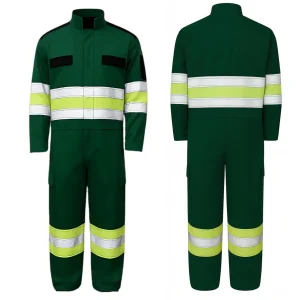
If you’re working in high-intensity environments, investing in durable options like Uniqent FR Coverall (301CO) or Uniqent FR Coverall (294CA) can make a noticeable difference in long-term performance.
These types of coveralls are often preferred in demanding conditions because they balance durability with consistent flame resistance.
Comfort vs. Protection Balance
You need both. If gear is uncomfortable, workers tend to remove or misuse it—defeating its purpose.
Common Mistakes to Avoid
- Wearing Synthetic Clothing Underneath
Synthetic fabrics can melt and cause severe burns. Always use cotton or FR base layers.
- Ignoring Maintenance
Dirty or oil-soaked coveralls are more flammable.
Best practice:
- Wash regularly
- Avoid fabric softeners (can reduce FR properties)
- Using Damaged Coveralls
Small tears or worn-out areas reduce protection significantly.
- Choosing Based on Price Alone
Cheap gear often compromises on durability and safety.
Expert Tips from Real Work Environments
Based on practical field insights:
- Rotate between two sets to extend lifespan
- Inspect seams and closures weekly
- Replace coveralls at the first sign of compromised protection
- Choose lighter fabrics for hot climates to reduce fatigue
One consistent pattern: workers who invest in quality gear and maintain it properly experience fewer injuries and better overall productivity.
Real-World Use Cases
Case 1: Fabrication Workshop
Workers using basic cotton clothing experienced frequent minor burns. After switching to proper welding coveralls:
- Burn incidents dropped significantly
- Workers reported improved confidence
Case 2: Outdoor Pipeline Welding
In harsh outdoor conditions:
- Durable FR coveralls performed better
- Reduced wear and tear compared to cheaper alternatives
Case 3: Maintenance Teams
Teams doing occasional welding benefited from:
- Lightweight, breathable coveralls
- Easier compliance due to comfort
Why Full PPE Matters
Coveralls are just one part of the safety system.
For complete protection, combine them with:
- Welding helmets
- Gloves
- Safety boots
If you’re selecting hand protection, this guide provides practical insights:
best jersey gloves for welding work
Benefits of Welding Coveralls
- Full-Body Protection
Minimizes exposure to sparks and heat.
- Reduced Injury Risk
Proper gear significantly lowers burn incidents.
- Increased Confidence
Workers perform better when they feel protected.
- Compliance with Safety Standards
Helps meet workplace safety requirements.
Limitations to Be Aware Of
No protective gear is perfect.
- Can be warm in hot environments
- Requires proper maintenance
- Needs correct sizing for effectiveness
Understanding these limitations helps you plan better and avoid misuse.
Customer Experiences
We switched to proper coveralls after a few close calls. The difference in safety was immediate.
Comfort mattered more than I expected. Once we got breathable coveralls, compliance improved.
Durability was the biggest win. We stopped replacing gear every few months.
Proper fit changed everything—no more adjusting gear mid-task.
Frequently Asked Questions
What are welding coveralls used for?
They protect welders from heat, sparks, and flame exposure during welding and cutting operations.
Are all welding coveralls flame-resistant?
No. Only certified FR or flame-retardant coveralls provide proper protection. Always check specifications.
How often should coveralls be replaced?
It depends on usage, but replace them when you see:
- Tears
- Thinning fabric
- Reduced performance
Can I wash welding coveralls at home?
Yes, but follow care instructions:
- Avoid bleach and fabric softeners
- Use mild detergent
What should I wear under coveralls?
Cotton or flame-resistant base layers. Avoid synthetic materials.
Are expensive coveralls worth it?
In most cases, yes. Higher-quality coveralls last longer and provide more consistent protection.
Final Thoughts
Welding is a high-risk job, but the right protective gear can dramatically reduce those risks. Choosing the right welding coveralls for protection isn’t just about compliance it’s about practical safety, comfort, and long-term reliability.
From material selection to proper maintenance, small decisions can have a big impact on your safety and performance. Whether you’re a professional welder or managing a team, investing in the right gear and using it correctly makes all the difference.
About the Author
Uniqent Editorial Team
The Uniqent team brings hands-on experience from industrial work environments, safety gear selection, and real-world usage scenarios. By working closely with professionals in welding and manufacturing, the team focuses on delivering practical, experience-based insights that help readers make safer, smarter decisions on the job.