

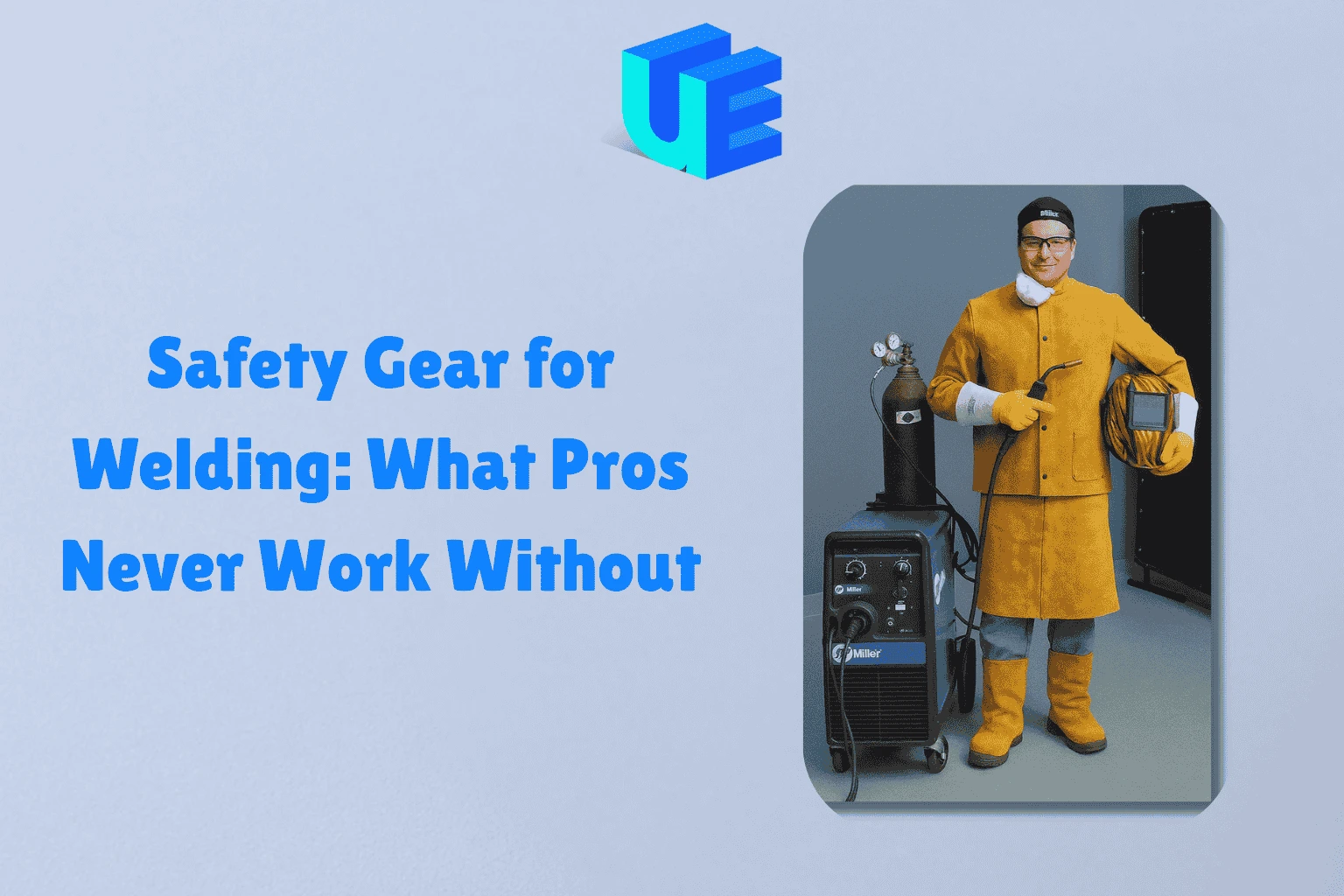
If you’ve ever struck an arc, you already know welding is unforgiving. The right safety gear for welding isn’t optional it’s the difference between finishing a job safely and dealing with burns, eye injuries, or long-term health issues. Professionals don’t rely on luck or shortcuts. They rely on proven protective equipment, worn correctly, every single time.
Whether you’re a seasoned fabricator, a shop supervisor, or someone setting up a home welding space, understanding what experienced welders never work without will help you make smarter, safer decisions.
This guide breaks down the essential protective equipment, common mistakes, practical buying considerations, and real-world lessons from the field.
Why Welding Safety Gear Matters More Than You Think
Welding exposes you to multiple hazards at once:
- Extreme heat and molten metal
- Intense UV and infrared radiation
- Flying sparks and slag
- Toxic fumes and gases
- Electrical shock
- Fire risks
What makes welding particularly dangerous is that injuries often happen in seconds—and many are preventable with proper preparation.
In my experience working alongside shop managers and industrial teams, most accidents don’t happen because someone didn’t own the right gear. They happen because:
- The gear didn’t fit properly
- It wasn’t rated for the process being used
- It wasn’t worn consistently
- It was worn out and not replaced
Let’s break down what pros rely on every day.
Core Safety Gear for Welding Professionals
-
Welding Helmet (Auto-Darkening Preferred)
Your helmet is your first line of defense against:
- Arc flash (welder’s flash)
- Retinal burns
- Facial burns
What Pros Look For:
- Adjustable shade range (typically 9–13)
- Fast reaction time (1/20,000 second or faster)
- Lightweight but durable shell
- Clear lens clarity rating
A common mistake beginners make is buying the cheapest helmet available. Poor optical clarity causes eye strain, leading to fatigue and sloppy welds.
-
Protective Gloves: Why Material Matters
Hands take the most abuse during welding. Not all gloves are created equal.
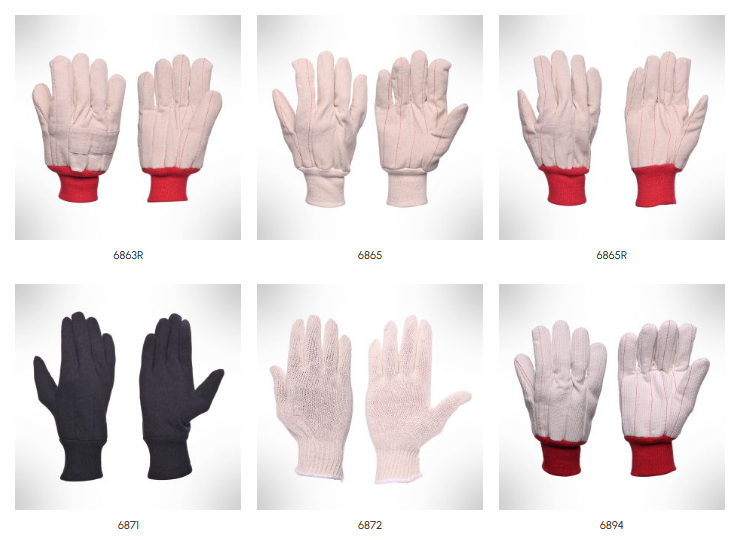
Cotton Gloves: When (and When Not) to Use Them
Cotton gloves are lightweight and breathable. They’re useful for:
- Light material handling
- Shop cleanup
- Non-welding tasks
However, they are NOT suitable for active welding. Cotton ignites and offers minimal heat protection.
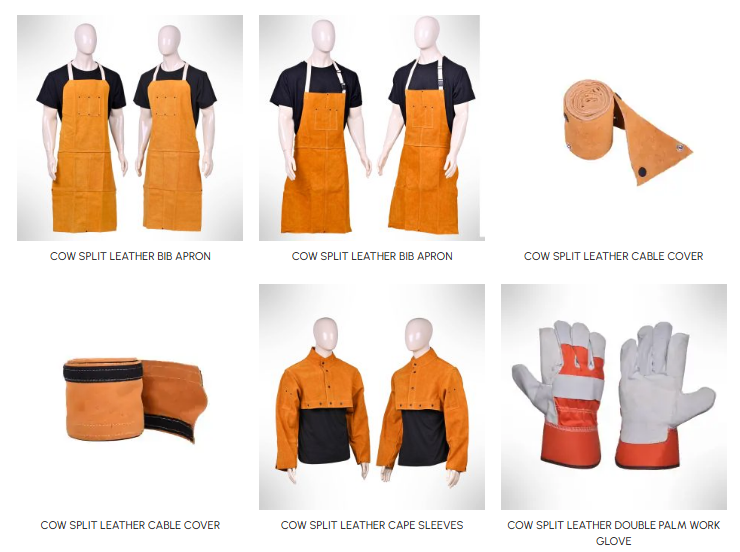
Leather Work Gloves: Versatile Shop Protection
Leather work gloves provide:
- Heat resistance
- Spark protection
- Durability
For general fabrication tasks—grinding, handling hot metal, tacking—they’re a solid choice.
Leather Gloves for Welders: Built for the Arc
Specialized leather gloves for welders are thicker and designed for:
- High heat exposure
- Molten metal splatter
- Extended arc time
Look for:
- Split cowhide or goatskin
- Kevlar stitching
- Extended cuffs (gauntlet style)
From hands-on observation, gloves fail most often at the seams—not the leather. Reinforced stitching makes a real difference.
-
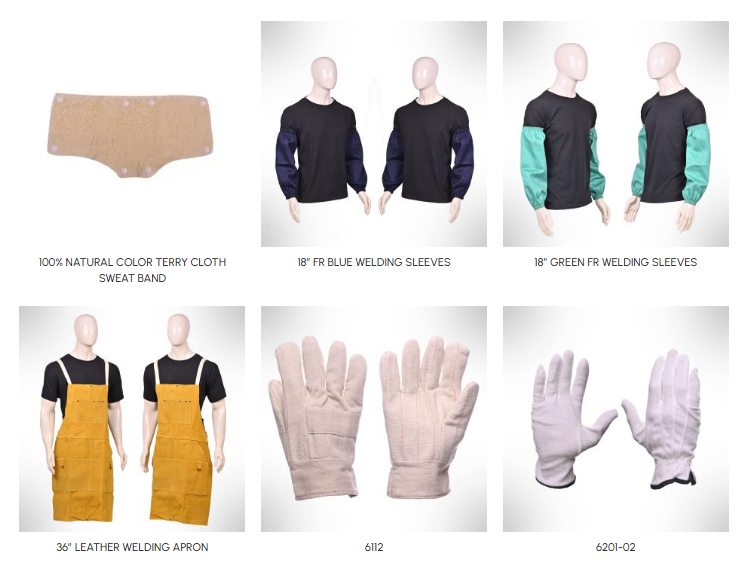
Flame-Resistant Clothing
Standard clothing can melt onto skin when exposed to sparks. That’s not theoretical—I’ve seen polyester hoodies fuse to forearms.
What Pros Wear:
- Flame-resistant (FR) cotton shirts
- Welding jackets (leather or treated cotton)
- Full-coverage sleeves
- FR pants without cuffs
Avoid:
- Synthetic blends
- Rolled sleeves
- Open pockets where sparks collect
This is where high-quality safety apparel becomes essential. Proper welding garments are designed to self-extinguish and resist ignition.
-
Welding Aprons and Jackets
For heavy-duty welding (stick or flux-core especially), additional torso protection matters.
Leather jackets and aprons provide:
- Spark deflection
- Spatter resistance
- Protection against slag
Pros don’t skip these on overhead or vertical welds.
-
Respiratory Protection
Fumes are often underestimated.
Depending on the metal and process, welding fumes may contain:
- Manganese
- Chromium
- Nickel
- Zinc oxide
Options Include:
- Disposable respirators (minimum N95 for light work)
- Half-mask respirators with appropriate filters
- Powered air-purifying respirators (PAPR systems)
Ventilation alone is not always enough in confined spaces.
-
Hearing Protection
Grinding and plasma cutting can exceed safe decibel levels quickly.
Pros use:
- Foam earplugs
- Reusable earplugs
- Earmuff-style protection
Noise-induced hearing loss is gradual—and permanent.
-
Steel-Toe or Composite-Toe Boots
Welders work with:
- Heavy plate steel
- Tools
- Cylinders
- Equipment
Boots should include:
- Slip-resistant soles
- Metatarsal guards (for heavy industrial settings)
- Heat-resistant outsoles
Avoid mesh or athletic-style footwear in welding environments.
Matching Gear to Welding Process
Not all welding processes require identical protection.
MIG Welding
- Moderate spatter
- Lighter gloves acceptable
- FR cotton usually sufficient
TIG Welding
- Less spatter
- Thinner gloves preferred for dexterity
- Still requires full UV protection
Stick Welding
- Heavy spatter
- Thick leather gloves
- Full leather jacket recommended
Process awareness prevents under-protection.
Common Mistakes Welders Make
- Wearing the Wrong Gloves
Using thin general-purpose gloves for stick welding leads to burns.
- Ignoring Sleeve Gaps
Exposed wrists are one of the most common burn locations.
- Not Replacing Worn Gear
Burn holes compromise protection instantly.
- Choosing Comfort Over Safety
Short sleeves may feel cooler—but sparks don’t care.
- Forgetting About Sparks in Pockets
Open chest pockets catch hot slag.
Practical Buying Considerations
When selecting safety gear:
Fit Matters
Oversized gloves reduce control.
Loose jackets snag.
Durability vs. Cost
Cheap gear often wears out twice as fast.
Compliance
Ensure equipment meets current regulatory standards. Resources like this guide on Safety Gear help clarify evolving requirements.
Environment
Indoor shop welding differs from outdoor structural welding.
Real-World Example
A fabrication shop upgraded from basic leather gloves to reinforced leather gloves for welders with Kevlar stitching. Over six months, reported minor hand burns dropped by nearly 40%.
The gloves cost more—but reduced downtime and minor injury reports significantly.
Building a Complete Welding PPE Checklist
Here’s a practical pro-level checklist:
- Auto-darkening welding helmet
- Safety glasses (under helmet)
- Flame-resistant shirt
- Welding jacket (as needed)
- Leather welding gloves
- Hearing protection
- Respirator (if required)
- Steel-toe boots
- Welding apron (for heavy spatter work)
Print it. Keep it visible. Use it daily.
What Welders Are Saying
Carlos M., Fabricator
Switching to proper leather welding gloves was a game-changer. I finally realized how much heat I’d been tolerating before.
Jenna L., Shop Supervisor
Enforcing full sleeve coverage in our shop dropped burn incidents almost immediately. Safety compliance works.
Marcus T., Maintenance Manager
Upgrading safety apparel was costly upfront, but minor injuries and downtime have dropped significantly. Worth every penny.
People Also Asked
What is the most critical piece of welding protective equipment?
The helmet. Proper eye and face protection prevent instant, permanent injuries from arc flash and sparks.
Can I weld safely with regular work gloves?
No. Only heat-resistant leather welding gloves protect hands from burns, spatter, and prolonged heat exposure.
Are cotton shirts safe for welding?
Only if they are flame-resistant (FR) cotton. Regular cotton can ignite and cause severe burns.
Do hobby welders need the same protection as professionals?
Yes. Arc flash, sparks, and hot metal don’t discriminate between skill levels.
How often should welding gloves be replaced?
Replace them as soon as seams weaken, insulation thins, or burn holes appear to maintain full protection.
Is respiratory protection necessary?
Absolutely. Welding fumes contain metals and toxic gases; appropriate respirators or ventilation are essential.
Final Thoughts
Professional welders don’t cut corners on safety. The right helmet, gloves, clothing, boots, and respiratory protection aren’t overkill—they’re essential tools for protecting health, boosting productivity, and maintaining focus.
When safety gear is selected carefully, worn consistently, and maintained properly, it allows welders to work with confidence, precision, and long-term durability.
Invest in quality, fit, and compliance. Treat your protective equipment as seriously as your torch or welder—because your safety is non-negotiable.
About the Author
This article was prepared by the editorial team at Unique Enterprises, drawing on practical insights from industrial suppliers, safety managers, and fabrication professionals. With hands-on familiarity across shop environments and evolving safety standards, the team focuses on clear, experience-based guidance that helps workers stay protected and productive without unnecessary complexity.