

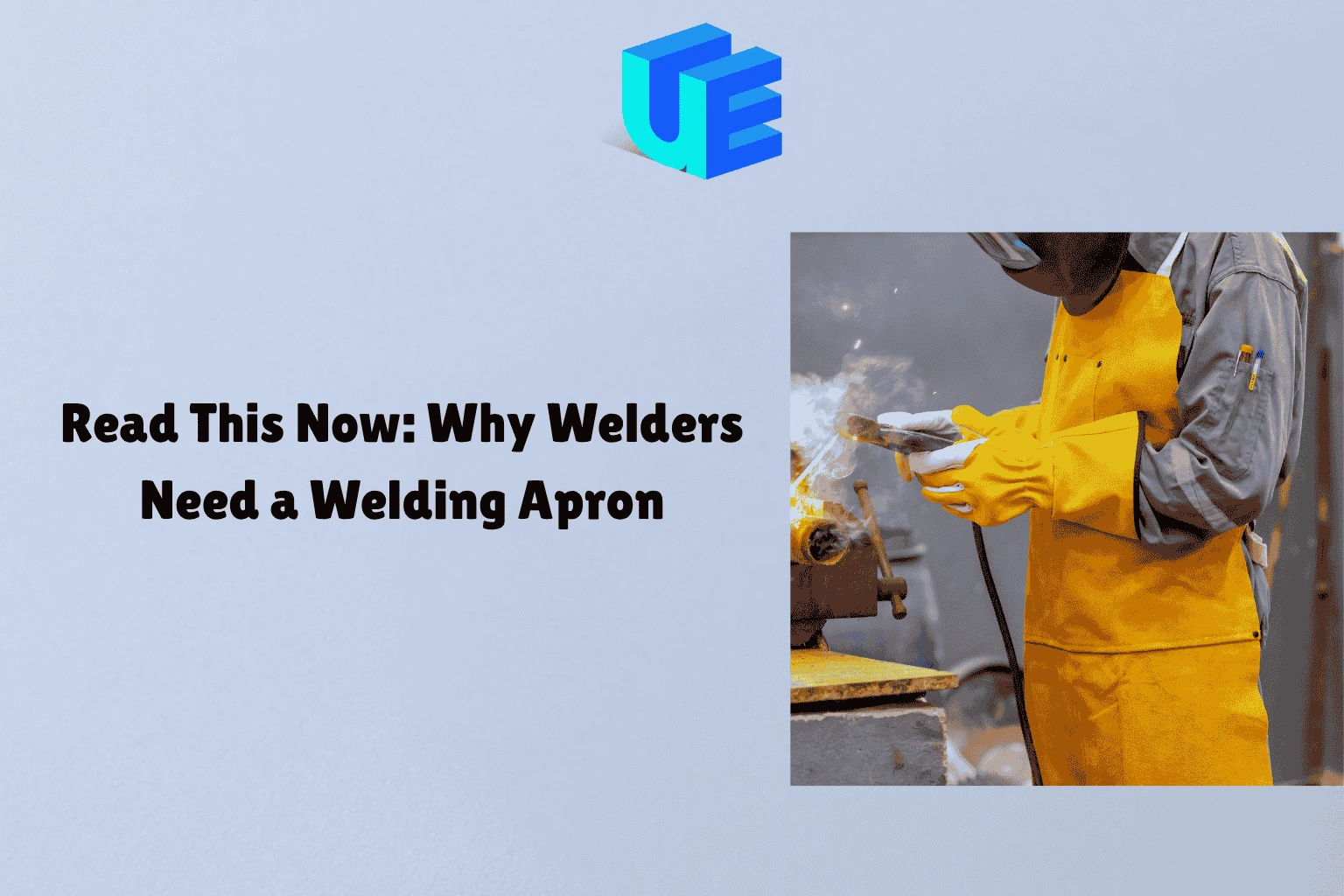
If you’ve ever worked around grinding sparks, hot slag, sharp edges, or molten spatter, you already know why welders need a welding apron but many workers still underestimate how much upper-body protection matters until they ruin clothing or get burned. A welding apron is not just an accessory. It is one of the most practical pieces of personal protective equipment for reducing heat exposure, protecting the torso and upper legs, and improving day-to-day safety in fabrication, repair, and industrial shop environments.
This guide explains the real reasons welders wear welding aprons, what they protect against, what buyers often get wrong, and how to choose one that actually works in the field.
What a Welding Apron Actually Does
A welding apron is designed to create a protective barrier between the welder’s body and the common hazards produced during metalwork. It typically covers the chest, abdomen, lap, and upper thighs areas that are frequently exposed during bench work, fabrication, and close-range welding.
A good apron helps protect against:
- Sparks and flying slag
- Brief contact with hot metal
- Grinding debris
- Abrasion from tools and surfaces
- Damage to work clothes
- Minor spatter exposure during welding tasks
This is where the importance of welding aprons becomes obvious: they protect the part of the body that often takes the most abuse during repetitive work.
Why Welders Need More Than Just a Welding Jacket
A lot of workers assume that gloves, sleeves, and a welding jacket are enough. In many situations, they are not.
Where a jacket alone falls short
A jacket protects the upper body, but it doesn’t always cover:
- The lap while seated
- The lower torso during bench work
- Clothing during cutting and grinding
- The front of the body when leaning into fabrication tasks
That’s why many experienced welders add a dedicated
👉 welding apron
to their setup, especially for repetitive or high-spark jobs.
In practical shop conditions, layered protection usually works better than relying on one garment alone.
The Main Reasons Welders Wear Welding Aprons
When people ask about the reasons welders wear welding aprons, they often think only about burn prevention. That’s part of it—but not the full picture.
1) To protect against sparks and hot spatter
This is the most obvious reason.
During welding, sparks and hot particles can land on:
- Shirts
- Pants
- Tool belts
- Skin if clothing shifts or gaps open
An apron helps block this front-facing exposure, especially during MIG, stick, and grinding work.
2) To reduce clothing damage
Workwear is expensive to replace, and welding can destroy regular clothing fast.
A welding apron helps prevent:
- Burn holes
- Fabric weakening
- Oil and grime buildup
- Repeated front-side wear
This is one of the most overlooked benefits of using a welding apron it extends the life of the gear you already own.
3) To add protection during bench and fabrication work
A lot of welders spend as much time fitting, cutting, clamping, and grinding as they do actually welding. That’s where aprons become especially useful.
They are ideal for:
- Welding at benches
- Table fabrication
- Tool handling
- Torch and grinder prep work
- Light assembly and metal shaping
In these situations, an apron often gets used more consistently than a full outer garment.
4) To protect the torso and upper legs
The front of the body takes a lot of punishment in welding environments.
Areas that benefit most from apron coverage:
- Abdomen
- Chest
- Lap
- Upper thighs
This added coverage matters when sparks bounce downward or when hot metal fragments fall toward the lower body.
Why Leather Is Often the Best Material
Not all aprons are made for welding. Some general workshop aprons look similar but do not offer the same level of resistance or durability.
Why leather is preferred
Leather is commonly used because it offers:
- Better heat resistance than many fabrics
- More abrasion resistance
- Stronger protection from sparks and spatter
- Longer wear life in industrial use
This is why many welders choose purpose-built options such as a
👉 36″ Leather Welding Apron
for more dependable front-body coverage.
For high-friction and repeated-use environments, leather usually outperforms lighter apron materials.
What People Usually Get Wrong About Welding Aprons
This is where real-world use matters more than product labels.
Mistake 1: Buying too short
A short apron may protect the chest but leave the lap and thighs exposed—the exact areas that often need coverage most.
Mistake 2: Choosing comfort over actual protection
A very thin or overly lightweight apron may feel easier to wear, but it may not hold up under regular shop use.
Mistake 3: Ignoring strap design
If an apron constantly shifts, twists, or pulls at the neck, people stop wearing it consistently.
Mistake 4: Assuming one apron works for every task
Different tasks create different exposure patterns. A welder doing TIG bench work may need something different from someone cutting and grinding all day.
The Importance of Proper Coverage and Fit
Fit matters more than many buyers realize.
A welding apron should:
- Sit flat against the torso
- Cover the chest properly
- Extend low enough for lap protection
- Allow natural arm and shoulder movement
- Stay secure without constant adjustment
That’s why bib-style designs remain popular. A product like
👉 Cow Split Leather Bib Apron
can provide balanced upper and lower front protection while staying practical for daily use.
Some welders also prefer alternative bib styles depending on how they move and work at the bench, such as
👉 Cow Split Leather Bib Apron
configurations designed for repeated industrial wear.
When a Welding Apron Matters Most
A welding apron is useful in many tasks, but there are certain situations where it becomes especially important.
Best use cases include:
- Bench welding
- MIG welding
- Stick welding
- Plasma cutting prep
- Grinding and finishing
- Metal fabrication
- Torch work
- Repair shop welding
If the task puts sparks, metal debris, or heat directly in front of your body, an apron is usually worth wearing.
Benefits of Using a Welding Apron Every Shift
The best safety gear is the gear workers actually keep on. That’s one reason aprons remain practical in industrial settings.
The biggest benefits include:
- Fast front-body protection
- Less damage to work clothing
- Better comfort than over-layering in some tasks
- Easier movement during shop work
- Added confidence during hot work
One of the biggest long-term benefits of using a welding apron is consistency. Workers are more likely to wear protection that is easy to put on and practical for the job.
Aprons as Part of a Bigger Safety System
A welding apron should never replace full PPE where full PPE is needed. It works best as part of a broader protective setup.
A strong welding PPE setup usually includes:
- Welding helmet
- Welding gloves
- Flame-resistant clothing
- Safety boots
- Sleeves or jacket where needed
- Respiratory or eye protection when appropriate
- Apron for front-body coverage
This layered approach is a big reason why
👉 industrial workwear apparel
continues to matter so much in high-risk work environments.
Good safety systems are built around exposure, not assumptions.
How to Choose the Right Welding Apron
If you’re shopping for one, don’t choose based only on appearance.
Look for these features:
Material
- Split leather is commonly preferred
- Durable stitching matters
- Heat-resistant construction is essential
Coverage
- Full chest-to-thigh protection is ideal for many tasks
- Consider longer aprons for seated or bench work
Comfort
- Adjustable straps help
- Weight should feel protective but wearable
- Neck strain should be minimal during long shifts
Use case
Choose based on whether you mainly do:
- Bench fabrication
- Pipe work
- Grinding
- TIG detail work
- Heavy shop welding
Real-World Example: When an Apron Makes the Difference
A common shop scenario: a welder is doing repetitive tack welds and cleanup work at a table. Gloves and helmet are on, but sparks continue landing on the shirt front and lap. Over time, clothing gets burned through, and small heat contacts become routine.
Adding a welding apron in that environment often solves multiple problems at once:
- Less clothing damage
- Less spark exposure
- Better comfort during repetitive front-facing work
- More confidence leaning into the task
That’s what practical PPE should do—solve real exposure problems, not just check a box.
Are There Any Limitations?
A useful guide should be honest.
A welding apron does not:
- Replace a full welding jacket in high-spatter conditions
- Protect uncovered arms
- Eliminate all burn risk
- Remove the need for proper work positioning
It is not “complete protection.” It is targeted protection—and that distinction matters.
The key is using it in the right role.
Customer Perspectives
I didn’t realize how much damage sparks were doing to my clothes until I started wearing an apron every day.
For bench fabrication, it’s one of the easiest pieces of gear to keep on without getting in the way.
A good leather apron made a bigger difference in daily comfort than I expected, especially during long grinding sessions.
FAQ:
Why do welders wear welding aprons?
They wear them to protect the front of the body from sparks, heat, slag, abrasion, and damage to clothing.
Is a welding apron necessary?
For many fabrication, bench, and grinding tasks, yes—it adds practical front-body protection that other gear may not fully cover.
What is the best material for a welding apron?
Leather is one of the most common and effective materials because it offers strong heat and abrasion resistance.
Do welding aprons protect from burns?
They help reduce exposure to sparks and brief heat contact, but they do not eliminate all burn risk.
Can I wear a welding apron over regular work clothes?
Yes, but it works best as part of proper welding PPE, not as a substitute for safe workwear.
Are welding aprons only for professional welders?
No. Anyone doing regular welding, grinding, fabrication, or metalwork can benefit from using one.
Final Thoughts
Understanding why welders need a welding apron comes down to one simple truth: the front of the body is constantly exposed during welding and fabrication work, and that exposure adds up fast.
The importance of welding aprons is not theoretical. It shows up in fewer burned shirts, fewer minor heat contacts, better front-body coverage, and more practical protection during real tasks. For many workers, the most important reasons welders wear welding aprons are comfort, consistency, and the ability to stay protected without overcomplicating the job.
In a workshop or industrial setting, a welding apron is not just “extra gear.” It is one of the most practical tools for safer daily work.
Author Bio
Unique Enterprises Editorial Team
The Unique Enterprises editorial team creates practical, field-informed content for welders, fabricators, safety buyers, and industrial workwear users. Their focus is on real-world protection, PPE function, material performance, and the everyday decisions that help workers stay safer on the job.