

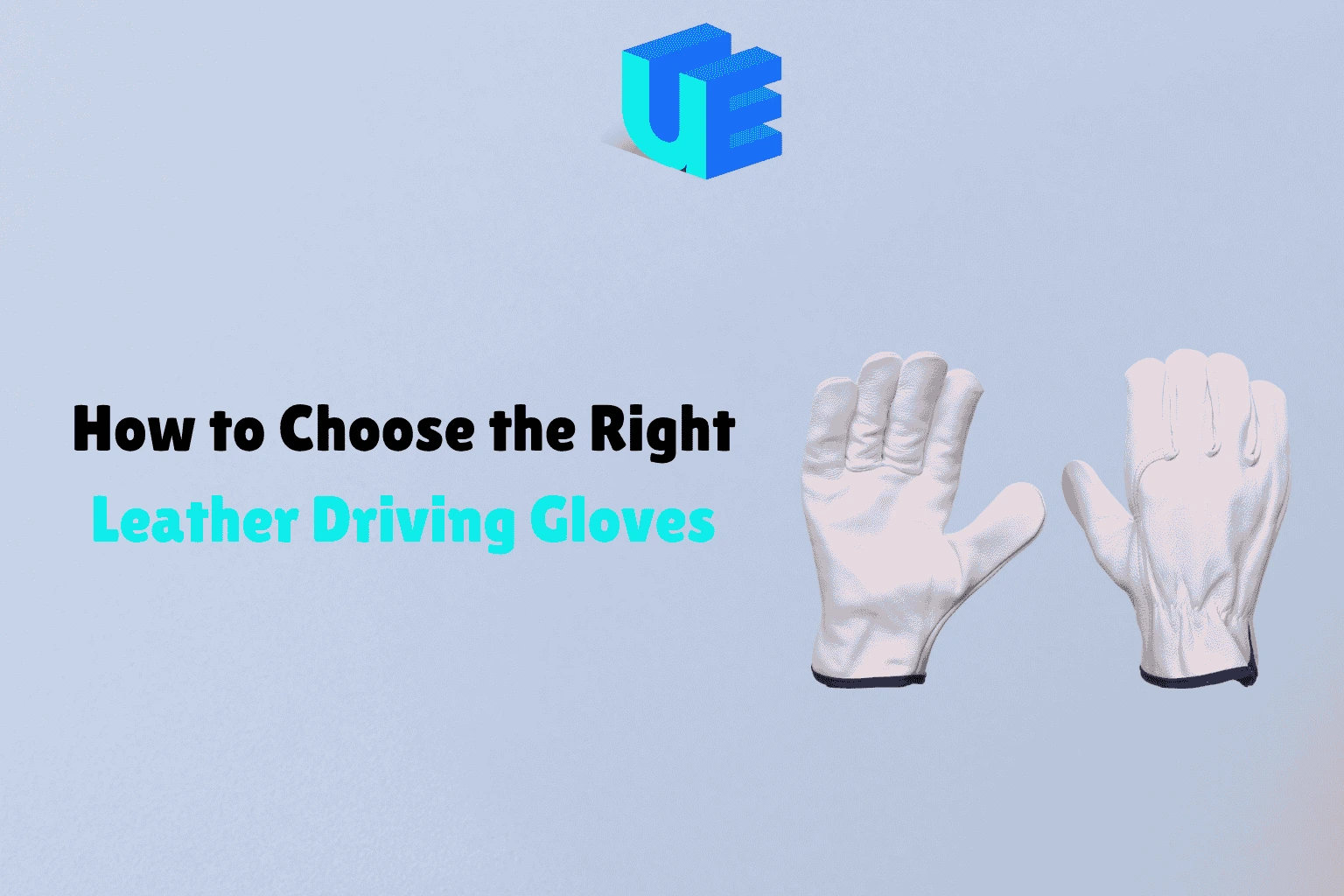
A good pair of leather driving gloves can improve grip, reduce hand fatigue, and make long hours behind the wheel more comfortable especially if you drive often, work outdoors, or handle tools and vehicles throughout the day. But choosing the right pair is not as simple as picking the softest leather or the best-looking style. The wrong gloves can feel bulky, slip on the steering wheel, wear out too quickly, or simply get in the way when you need control most.
This guide breaks down what actually matters when choosing driving gloves, from fit and leather type to lining, durability, stitching, and real-world use. You’ll also learn where people often go wrong, what features are worth paying attention to, and how to tell the difference between fashion gloves and work-ready gloves that can actually perform.
What Are Leather Driving Gloves?
Leather driving gloves are close-fitting gloves designed to improve hand comfort, steering control, and protection while driving. Unlike bulky winter gloves or heavy-duty leather welding gloves, driving gloves are built to preserve dexterity.
At their best, they help with:
- Better steering wheel grip
- Reduced sweat and hand slippage
- Less friction on long drives
- Improved comfort in hot, cold, or dry conditions
- Light protection during vehicle handling, loading, or outdoor work
Many people assume all leather gloves can do the same job. In practice, they cannot.
A glove made for welding, lifting, or rough handling may be too stiff for driving. Likewise, a stylish pair of black leather gloves men often buy for winter wear may look sharp but offer poor steering feel. The right glove depends on how you actually use your hands throughout the day.
Why Choosing the Right Pair Matters
A poor glove choice usually shows up fast.
You might notice:
- The glove bunches in your palm while gripping the wheel
- Your fingertips feel clumsy or numb
- The leather gets slick when your hands sweat
- Seams rub against pressure points
- The glove stretches too much after a few uses
These issues are more than minor annoyances. If you spend hours driving, operating equipment, working around materials, or moving between indoor and outdoor tasks, glove comfort and control directly affect performance.
That is why experienced users often prefer purpose-built driver glove styles over general winter or fashion gloves.
If you want to explore glove styles designed more specifically for driving and hand control, take a look at the driver glove category.
Key Concepts: What You Need to Know Before Buying
Before comparing materials and features, it helps to understand what separates a good driving glove from an average one.
1) Fit matters more than almost anything else
A driving glove should feel snug, not tight.
You want:
- A close fit across the palm
- Fingers that reach near the tip without extra bunching
- A wrist opening that stays secure without cutting circulation
If the glove is too loose, your hand moves inside it and you lose steering feel. If it is too tight, the leather strains and becomes uncomfortable quickly.
2) Leather quality affects both comfort and lifespan
Not all leather feels or wears the same.
Some leather is:
- Softer and more flexible
- Better for long-term shape retention
- More breathable
- More resistant to abrasion and cracking
Good leather should soften with wear without becoming floppy or weak.
3) Driving gloves are about control, not just warmth
This is where many buyers get it wrong. A glove can be warm and still be terrible for driving.
For driving, the priorities are usually:
- Grip
- Tactile feel
- Flexibility
- Palm comfort
- Steering response
Warmth can matter too, but it should not come at the expense of hand movement.
How to Choose the Right Leather Driving Gloves
-
Start With Your Actual Use Case
The best glove for weekend driving is not always the best glove for jobsite driving, utility work, or delivery use.
Ask yourself:
- Do you drive short distances or long hours?
- Are you mostly in a car, pickup, van, or work vehicle?
- Do you also load materials, open gates, move equipment, or handle tools?
- Do you need the gloves mainly for grip, protection, weather, or appearance?
Best use scenarios include:
Daily commuting
You’ll want lightweight leather, breathability, and a close fit.
Work driving
If you drive between sites or use your hands throughout the day, a more durable glove with reinforced wear points makes more sense.
Cold-weather driving
You may need a lightly insulated glove—but not one so padded that it kills dexterity.
Mixed work and vehicle use
This is where some users start comparing leather work gloves and driving gloves. There is overlap, but not all work gloves are ideal behind the wheel.
If your day includes both vehicle use and light hand work, browsing practical leather work gloves can help you compare more versatile options.
-
Choose the Right Leather Type
The leather itself changes how the glove feels on day one and how it performs after months of use.
Common leather traits to look for:
Soft and flexible leather
Best for:
- Comfort
- Dexterity
- Steering feel
- Everyday driving
This is often what people want most in leather driving gloves men typically use for both work and casual vehicle use.
Tougher, thicker leather
Best for:
- More abrasion resistance
- Utility handling
- Light outdoor work
- Multi-purpose use
The tradeoff is that thicker leather can feel stiffer at first.
Practical tip:
If you need one glove to handle driving plus occasional rough handling, choose leather that balances softness with structure. Gloves that feel extremely thin may be comfortable initially but can wear through faster at the palm and fingers.
-
Pay Close Attention to Fit and Sizing
A glove can be made from excellent leather and still perform poorly if the sizing is off.
A proper fit should feel like this:
- Snug across the palm, without pressure
- No extra material at the fingertips
- No pinching between thumb and index finger
- Enough flex to fully close your hand
Signs the glove is too big:
- Material bunches in the palm
- Fingers feel floppy
- Steering feels less precise
- Grip becomes inconsistent
Signs the glove is too small:
- Hard to fully open or close your hand
- Seams feel strained
- Fingertips feel compressed
- Leather overstretches quickly
Real-world advice:
If you use gloves for both driving and occasional lifting or unloading, prioritize palm fit over finger length perfection. Slight fingertip variation is manageable. Palm looseness is not.
-
Look at the Palm and Grip Area First
If you only inspect one area before buying, inspect the palm.
That is where the glove will either perform or fail.
A good driving glove palm should offer:
- Natural friction against the steering wheel
- Smooth contact without bunching
- Enough leather thickness to resist wear
- Flex points that move with your hand
Watch out for:
- Overly slick finishes
- Decorative seams placed in pressure zones
- Excessive padding that dulls steering feedback
This is especially important if you spend hours driving in heat, where hand sweat can affect grip more than people expect.
-
Check Stitching and Construction
Most glove problems do not begin with the leather. They begin with poor construction.
Areas to inspect:
- Thumb seam
- Palm seam
- Finger sidewalls
- Wrist opening
- Stress points near the base of fingers
Good stitching should be:
- Even
- Tight
- Cleanly finished
- Not bulky inside the glove
Why this matters:
When a glove fails early, it usually splits at a stress point—not because the leather was bad, but because the stitching could not handle repeated flexing.
This is one reason many buyers end up preferring practical glove builds over purely fashion-forward men’s leather gloves that are made more for appearance than repeated use.
-
Decide Whether You Need Lining or No Lining
This choice matters more than most buyers think.
Unlined leather gloves
Best for:
- Better steering feel
- More breathability
- Warmer climates
- Precision and dexterity
Lightly lined gloves
Best for:
- Cool mornings
- Longer seasonal use
- Drivers who want a little extra comfort
Heavily lined gloves
Usually not ideal for:
- Precision steering
- Frequent hand movement
- Mixed driving and handling tasks
Practical rule:
If you live or work in a milder climate and use your gloves regularly, unlined or lightly lined is usually the better long-term choice.
Benefits of Leather Driving Gloves
A good pair can be genuinely useful—not just stylish.
Main benefits
Better grip
Leather often provides a more secure feel than bare hands, especially on smooth or worn steering wheels.
Less hand fatigue
Long drives can create pressure points in the palm and thumb webbing. A well-fitted glove helps reduce that friction.
More comfort in changing weather
Hands can get cold, sweaty, dry, or irritated depending on the season. Leather helps moderate that better than many cheap synthetic gloves.
Better all-around hand protection
If you are opening vehicle doors, handling tools, moving materials, or doing quick outdoor tasks, gloves offer light protection without sacrificing too much feel.
More professional, work-ready utility
For people who drive as part of their job, practical gloves can simply make the workday easier.
Limitations: What Leather Driving Gloves Do Not Do Well
A realistic buying decision means understanding what these gloves are not built for.
Limitations to keep in mind
They are not heavy-duty safety gloves
If you are doing welding, grinding, or high-heat work, you need task-specific protection such as leather welding gloves—not driving gloves.
They are not always ideal in heavy rain
Wet leather can become stiff or lose shape if not dried properly.
They still require care
Leather needs occasional cleaning and conditioning if you want it to stay flexible.
Not every pair works for touchscreen use
Some modern gloves do, many do not. If that matters to you, check before buying.
Common Mistakes to Avoid
This is where buyers waste money most often.
1) Buying based on looks alone
A glove that photographs well is not always practical. Some stylish black leather gloves men buy for appearance are too slick, too stiff, or too insulated for actual driving.
2) Choosing the wrong size on purpose
Some people size up for comfort. That usually backfires. Loose gloves reduce grip and wear faster.
3) Confusing work gloves with driving gloves
Not all mens leather work gloves are suitable for steering control. Many are built for durability first, dexterity second.
4) Ignoring climate and daily use
A glove that feels fine in winter may be miserable in a warm cab or truck during spring and summer.
5) Overlooking stitching and seam placement
Even decent leather can feel uncomfortable if the seams land right where your hand grips the wheel.
6) Expecting one glove to do everything
There is often a difference between:
- Driving gloves
- Winter gloves
- Utility gloves
- Welding gloves
- General work gloves
Trying to force one glove into every role usually leads to compromise.
Expert Tips and Best Practices
These are the details experienced glove users tend to care about most after the first few weeks of use.
Break them in gradually
Leather usually improves after a few wears. Use them on shorter drives first before relying on them for all-day use.
Prioritize palm feel over branding
A recognizable style means little if the glove slips or bunches when gripping the wheel.
Choose function before fashion
If you use your gloves regularly, fit, seam comfort, and flexibility matter more than decorative features.
Keep a dedicated pair for driving
If you use the same gloves for yard work, hauling, oily equipment, and steering, they will wear faster and feel worse behind the wheel.
Condition leather when needed
If the leather starts to feel dry or stiff, light conditioning helps extend life and maintain flexibility.
Replace before failure
If palm wear, seam stress, or finger thinning becomes obvious, replace them before they become uncomfortable or unreliable.
Real-World Use Cases: What Works Best
Use Case 1: Daily commuter with long highway drives
Best choice:
- Soft leather
- Close fit
- Unlined or lightly lined
- Minimal bulk
Why:
Long drives are where steering comfort and reduced hand fatigue matter most.
Use Case 2: Builder, contractor, or field supervisor
Best choice:
- Durable leather
- Good palm wear resistance
- Comfortable enough for driving
- Practical enough for light handling between stops
Why:
You may need one glove that transitions between the cab, site, and materials without feeling clumsy.
Use Case 3: Utility or delivery driver
Best choice:
- Flexible leather
- Secure wrist
- Easy on/off fit
- Balanced grip and durability
Why:
Frequent entry, exit, loading, and route handling call for a glove that moves well and holds up.
Use Case 4: Casual driver who also wants clean style
Best choice:
- Refined leather finish
- Slim fit
- Reliable grip
- Moderate all-weather comfort
Why:
This is where some people lean toward dressier men’s leather gloves, but you still want a pair that feels right on the wheel.
A Practical Product Example
If you are looking for a more rugged, utility-friendly option that still suits driving and everyday hand use, a product like the Buffalo Driver Glove is worth understanding as a reference point.
What makes this style useful for many drivers is the balance between:
- Leather durability
- Everyday flexibility
- Work-ready practicality
- Straightforward fit and function
This kind of glove often appeals to users who need more than a fashion accessory but less bulk than a heavy-duty work glove.
Helpful Related Reading
If you are comparing glove types for different daily tasks, you may also find this useful:
Top Affordable Jersey Gloves for Daily Use
That can help if you are deciding whether you need leather specifically, or whether another glove type better suits lighter, repetitive daily use.
Quick Checklist: How to Pick the Right Pair
Before you buy, use this simple checklist.
Choose leather driving gloves that offer:
- A snug but comfortable fit
- Good palm grip and steering feel
- Leather that balances softness and durability
- Clean, low-bulk stitching
- Appropriate lining for your climate
- Enough flexibility for real hand movement
- Construction suited to how you actually use them
If a glove looks good but fails on those points, it is probably the wrong pair.
Customer Testimonials
I bought a pair mainly for long drives between job sites. The biggest difference was less hand fatigue and better grip on early cold mornings.
— Rashid A., Site Supervisor
I originally picked a fashion-style pair and regretted it. Switched to a proper driver glove and the fit and steering feel were much better.
— Daniel M., Fleet Driver
What mattered most to me was finding something I could wear in the truck and still keep on while handling light materials. The right leather glove made that easy.
— Imran S., Builder
FAQ:
Are leather driving gloves actually useful?
Yes—if they fit properly and are designed for driving. They can improve grip, reduce friction, and make long drives more comfortable.
Should driving gloves be tight or loose?
They should be snug, not restrictive. Loose gloves reduce steering control, while overly tight gloves become uncomfortable quickly.
What leather is best for driving gloves?
The best leather is usually soft enough for flexibility but durable enough to hold shape and resist palm wear over time.
Can I use work gloves for driving?
Sometimes, but not always. Many work gloves are too bulky or stiff for precise steering. Driving-specific gloves usually feel better behind the wheel.
Are lined or unlined leather driving gloves better?
For most drivers, unlined or lightly lined gloves are better because they preserve grip and dexterity while still improving comfort.
Final Thoughts
Choosing the right leather driving gloves comes down to one simple question: what do your hands actually need to do every day?
If your priority is better steering feel, hand comfort, and all-day usability, focus on fit, palm grip, flexibility, and construction not just appearance. The best pair should feel natural within minutes and better after a few weeks of use, not worse.
A well-chosen glove can make a real difference whether you are commuting, driving for work, managing site visits, or simply spending enough time behind the wheel to notice what poor hand comfort feels like.
When you buy with function in mind, you are far more likely to end up with a pair that actually earns its place in your daily routine.
Author / Editorial Team Bio
Unique Enterprises Editorial Team writes practical, experience-informed content focused on gloves, hand protection, and everyday workwear decisions. The team aims to help readers choose the right products for real-world use by sharing clear guidance, honest comparisons, and useful insights based on how gloves actually perform on the job and in daily life.