

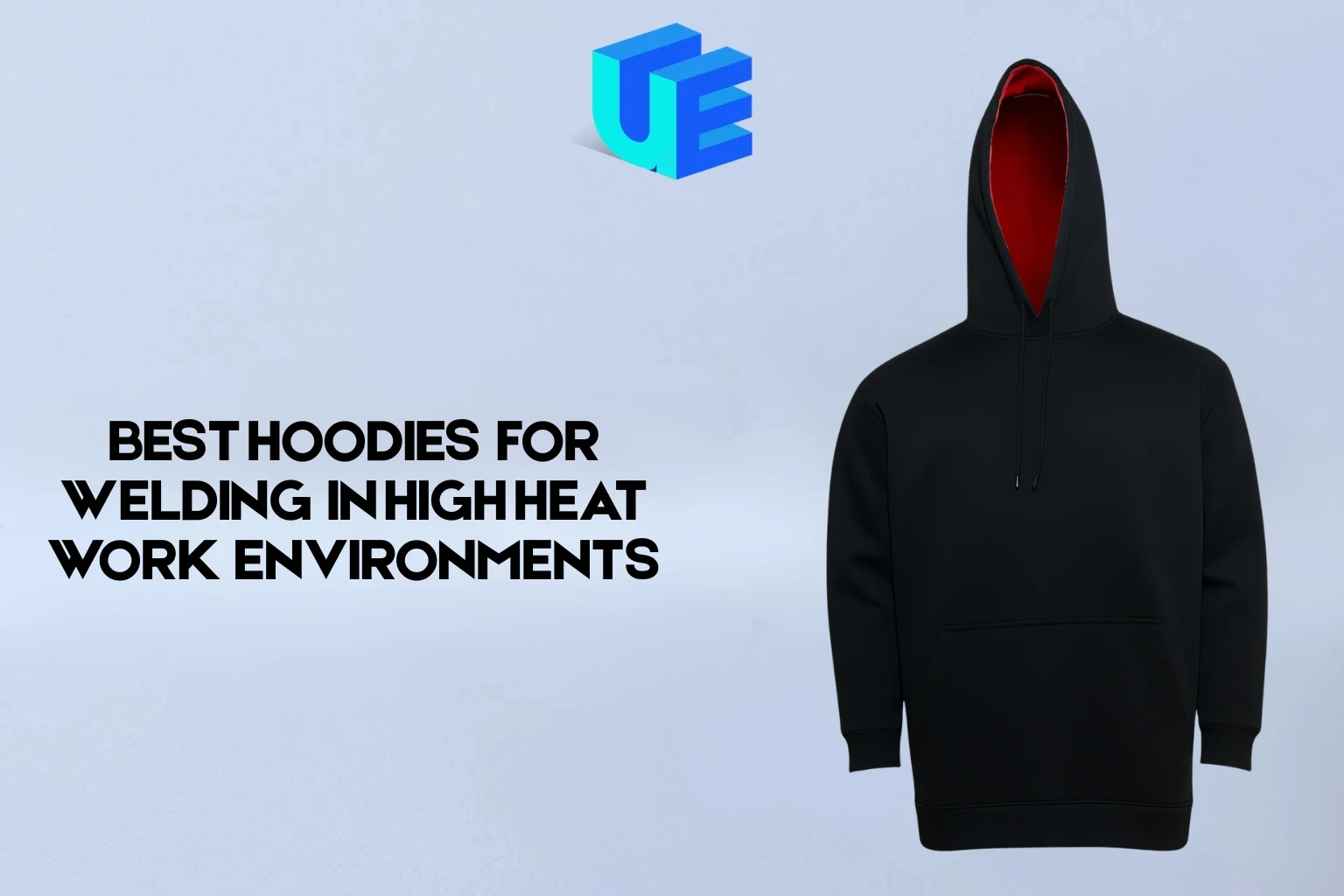
Working around sparks, molten metal, and extreme temperatures demands the right hoodies for welding to reduce burn risks while keeping you comfortable during long shifts.
Hoodies for welding are flame-resistant protective garments designed to shield welders from sparks, radiant heat, and minor molten metal splashes. Unlike regular hoodies, they use FR fabrics that self-extinguish, improve comfort, and enhance workplace safety in fabrication shops, construction sites, and industrial environments.
Why the Right Welding Hoodie Matters
Whether you’re welding in a fabrication workshop in Karachi, working on structural steel in Lahore, or handling heavy industrial projects across Pakistan, your clothing is your first line of defense.
Many welders focus on helmets, gloves, and boots but overlook what they wear on their upper body. A standard cotton hoodie may feel comfortable, but it can ignite, shrink, or deteriorate quickly when exposed to sparks. Quality hoodies for welding are specifically engineered to withstand demanding environments while allowing freedom of movement throughout the day.
At Uniqent, we’ve seen that professionals who upgrade their protective clothing experience better comfort, improved durability, and greater confidence during long welding shifts.
What Makes Hoodies for Welding Different?
Unlike everyday hoodies, welding hoodies are built using flame-resistant materials that continue protecting the wearer even after repeated washing when maintained correctly.
Key features include:
- Flame-resistant fabrics
- Heat-resistant stitching
- Comfortable hood for neck protection
- Reinforced cuffs and sleeves
- Durable construction for industrial use
- Breathable design for extended wear
- Better mobility during fabrication work
These features make them an essential part of modern welding apparel, especially for professionals working daily in high-temperature environments.
Common Materials Used in Welding Hoodies
The material directly affects safety, comfort, durability, and lifespan.
| Material | Benefits | Best For |
|---|---|---|
| FR Cotton | Comfortable, breathable, flame resistant | Daily welding |
| Cotton Blend | Lightweight with improved durability | General fabrication |
| FR Fleece | Warm during winter projects | Outdoor welding |
| Performance FR Fabric | Excellent moisture control | Long industrial shifts |
Choosing certified flame-resistant fabric is far safer than relying on thick regular hoodies.
Hoodies for Welding vs Regular Hoodies
Many first-time welders assume a thick hoodie provides enough protection. Experience proves otherwise.
| Hoodies for Welding | Regular Hoodies |
|---|---|
| Flame resistant | Easily damaged by sparks |
| Designed for industrial work | Designed for casual wear |
| Longer lifespan | Wears out quickly |
| Better sleeve protection | Higher burn risk |
| Complies with workplace safety needs | No protective certification |
While a regular hoodie may cost less initially, replacing damaged clothing repeatedly often becomes more expensive over time.
Hoodies vs Fire Resistant Welding Jacket
Many professionals ask whether they should buy a hoodie or a fire resistant welding jacket.
The answer depends on the type of welding being performed.
Choose Hoodies for Welding When:
- Performing light to medium fabrication
- TIG welding
- Workshop maintenance
- Indoor production work
- Comfort and mobility are priorities
Choose a Fire Resistant Welding Jacket When:
- Heavy MIG welding
- Stick welding
- Foundry work
- High-spatter environments
- Extreme industrial temperatures
Many experienced welders actually keep both in their safety wardrobe and switch according to the day’s workload.
Pros and Cons
Pros
- Excellent comfort during long workdays
- Better flexibility than bulky jackets
- Lightweight protection
- Suitable for year-round use
- Professional appearance
- Long-lasting when maintained correctly
Cons
- Not ideal for extremely heavy molten metal exposure
- Premium FR materials cost more initially
- Require proper washing to maintain performance
Durability and Performance Factors
Durability isn’t determined by thickness alone.
Professionals should evaluate:
Fabric Weight
Heavier doesn’t always mean safer. Certified FR fabric provides superior protection compared to ordinary thick cotton.
Stitch Quality
Double-stitched seams reduce tearing during repetitive movement.
Sleeve Construction
Extended cuffs help reduce wrist exposure while working.
Hood Design
A properly fitted hood protects the neck without interfering with welding helmets.
Abrasion Resistance
Industrial environments demand clothing that withstands grinding, lifting, and repetitive motion.
These small details often separate professional-grade products from low-cost alternatives.
Understanding FR Sweatshirts and Sweatshirt (ZIPPER) Options
Besides traditional hoodies, many professionals also prefer an FR Sweatshirt for cooler weather.
An FR Sweatshirt offers:
- Excellent warmth
- Lightweight comfort
- Flame-resistant protection
- Easy layering under jackets
A Sweatshirt (ZIPPER) provides additional convenience because it can be removed quickly when temperatures rise, making it ideal for workshops where conditions change throughout the day.
Both styles have become popular choices within modern welding apparel, giving welders flexibility without compromising safety.
Safety Considerations Every Welder Should Know
Buying protective clothing isn’t just about comfort—it directly impacts workplace safety.
Always look for:
- Flame-resistant fabric
- Secure cuffs
- Strong zippers
- Durable stitching
- Comfortable fit
- Proper sleeve length
- Quality manufacturing
Avoid oversized hoodies that can catch on equipment or interfere with visibility while welding.
Cost vs Value – Is It Worth Paying More?
Budget-conscious buyers often compare prices before quality.
From years of observing industrial purchasing decisions, experienced safety managers consistently recommend investing in reliable protective clothing rather than replacing cheap garments every few months.
A premium welding hoodie typically delivers:
- Better durability
- Improved comfort
- Lower replacement costs
- Better worker confidence
- Greater long-term value
For professionals who weld daily, spending slightly more upfront usually results in significant savings over time.
Expert Insight from Industrial Safety Professionals
One mistake many new welders make is choosing clothing based solely on thickness.
In practice, certified flame-resistant fabrics outperform ordinary heavy sweatshirts because they’re engineered to resist ignition and reduce after-flame spread.
Another overlooked factor is moisture management. Welders working long shifts often become overheated. Breathable FR materials help reduce fatigue, allowing workers to stay productive without sacrificing protection.
Experienced supervisors also recommend keeping separate protective clothing for welding instead of using everyday hoodies. This reduces contamination from oil, grease, and metal particles while extending garment life.
How to Maintain Hoodies for Welding
Proper maintenance extends the life of your hoodies for welding and helps preserve their flame-resistant performance.
Washing Tips
- Wash separately from heavily soiled workwear.
- Use a mild detergent without bleach or fabric softeners.
- Follow the manufacturer’s care instructions.
- Wash in cold or warm water as recommended.
- Air dry or tumble dry on low heat if permitted.
Using harsh chemicals can reduce the effectiveness of FR fabrics over time.
Inspection Before Every Shift
Before wearing your welding hoodie, check for:
- Burn holes
- Torn seams
- Broken zippers
- Worn cuffs
- Oil or grease contamination
If the garment is heavily damaged, replace it instead of attempting temporary repairs.
Expected Lifespan of Welding Hoodies
The lifespan depends on usage, maintenance, and work conditions.
| Usage | Expected Lifespan |
|---|---|
| Occasional welding | 3–5 years |
| Weekly industrial use | 2–3 years |
| Daily heavy-duty welding | 1–2 years |
Regular inspections help ensure your protective clothing continues to perform as intended.
How to Choose the Best Hoodies for Welding
When comparing products, don’t focus on price alone. Consider the overall value and level of protection.
Look for:
- Certified flame-resistant materials
- Comfortable fit for long shifts
- Durable stitching
- Reinforced cuffs
- Breathable fabric
- Reliable zipper or pullover design
- Trusted manufacturer reputation
If you work in changing temperatures, an FR Sweatshirt or Sweatshirt (ZIPPER) can provide added flexibility while maintaining protection.
Common Mistakes Welders Make
- Wearing Regular Hoodies
- Buying Oversized Clothing
- Ignoring Maintenance
- Choosing Price Over Quality
- Mixing Casual and Protective Clothing
Your everyday sweatshirt should never replace certified welding apparel in hazardous environments.
Why Professionals Trust Uniqent Welding Apparel
Professional welders need equipment that performs consistently under demanding conditions.
Uniqent offers high-quality hoodies for welding, FR Sweatshirts, and other protective welding apparel designed for durability, comfort, and workplace safety. Every product is selected to meet the needs of fabricators, maintenance teams, and industrial professionals across Pakistan.
Whether you’re working in fabrication shops, construction sites, or manufacturing facilities, investing in dependable protective clothing helps you work with greater confidence.
What Customers Say
I’ve used Uniqent’s welding hoodie for over a year in my fabrication shop. It’s comfortable, durable, and still performs well after repeated washing.
— Michael Thompson, Fabrication Supervisor
The FR Sweatshirt is lightweight but provides excellent protection during long welding shifts. I highly recommend it to anyone working in industrial environments.
— David Wilson, Industrial Welder
The zipper sweatshirt makes it easy to adjust throughout the day without compromising safety. Great quality and excellent value.
— James Carter, Maintenance Technician
People Also Asked
What are hoodies for welding used for?
Hoodies for welding are flame-resistant garments that help protect welders from sparks, radiant heat, and minor molten metal splashes while improving comfort during long working hours.
Are welding hoodies better than regular hoodies?
Yes. Welding hoodies use flame-resistant materials designed for industrial work, whereas regular hoodies are intended for casual wear and offer little protection from welding hazards.
Should I choose a hoodie or a fire resistant welding jacket?
A hoodie is ideal for light to medium welding tasks where flexibility is important. A fire resistant welding jacket is better suited for heavy welding and environments with high levels of sparks and molten metal.
Can an FR Sweatshirt be worn every day?
Yes. An FR Sweatshirt is suitable for daily industrial use, provided it is cleaned and maintained according to the manufacturer’s care instructions.
How often should I replace my welding hoodie?
Replace it when you notice significant wear, burn damage, torn seams, or if it no longer provides the level of protection required for your work.
Conclusion
The right hoodies for welding do more than keep you comfortable, they play an important role in protecting you from everyday workplace hazards. From choosing flame-resistant materials to understanding the difference between hoodies, FR Sweatshirts, Sweatshirt (ZIPPER) styles, and a fire resistant welding jacket, making an informed decision improves both safety and long-term value.
If you’re looking for dependable welding apparel in Pakistan, Uniqent offers durable protective clothing built for demanding industrial environments. Investing in quality gear today means greater confidence, better performance, and enhanced safety on every job.
Ready to upgrade your welding protection? Explore Uniqent’s range of premium hoodies for welding and protective apparel designed to keep you safe, comfortable, and productive.
Author Bio
Uniqent is a trusted supplier of premium industrial safety products and welding apparel in Pakistan. Our mission is to provide welders, fabricators, and industrial professionals with reliable protective gear that combines safety, durability, and comfort. Drawing on industry knowledge and real-world workplace requirements, we help businesses and skilled workers choose equipment that supports safer, more efficient operations every day.