

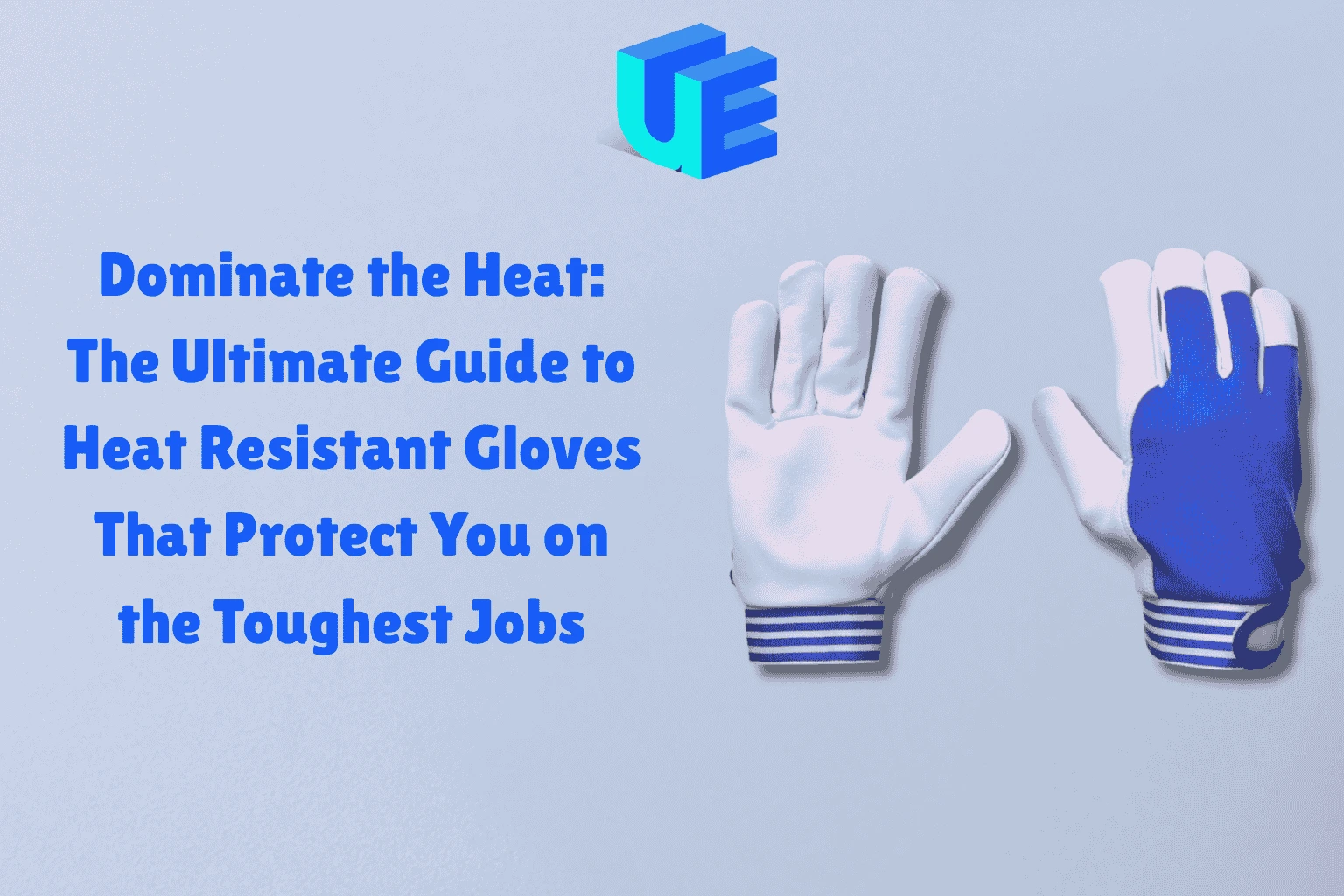
When you work around extreme temperatures, molten materials, steam, or hot metal, ordinary gloves are not enough. You need heat resistant gloves engineered to withstand high temperatures without burning, shrinking, or melting.
Whether you’re working in manufacturing, welding, metal fabrication, foundries, kitchens, or industrial processing, choosing the right high-heat glove can be the difference between safe hands and severe injury.
Workers today demand gloves that offer:
- Heat protection
- Grip and control
- Comfort for long shifts
- Durability under extreme use
And this is exactly where materials like hot mill gloves, canvas gloves, and jersey gloves come into play.
What Makes Heat Resistant Gloves Different?
Heat-resistant gloves are designed with specialized fibers and layered construction to protect hands from direct heat, thermal contact, sparks, and industrial temperatures.
Key features include:
1. Heat-Tolerant Fabrics
These gloves may contain:
- Cotton blends
- Heat-treated yarns
- Nitrile coatings
- Neoprene
- Terrycloth
- Kevlar (in advanced versions)
2. Multi-Layer Protection
Layering helps dissipate heat and create protective insulation.
3. Enhanced Grip in Hot Conditions
Workers often need to grip hot tools, metal sheets, or machinery safely.
4. Reinforced Stitching
Industrial-grade stitching prevents tearing under intense use.
5. Comfort + Dexterity
Well-designed gloves must protect while allowing movement and flexibility.
The right glove improves productivity while reducing injury risk — a critical factor for companies focusing on safety compliance.
Top Types of Heat Resistant Gloves
Hot Mill Gloves
Hot mill gloves are specifically engineered for heavy-duty heat applications. They are typically made from cotton blends and layered for superior insulation.
Key Benefits of Hot Mill Gloves:
- Withstand intermittent heat contact
- Excellent for steel mills, foundries, and glass production
- Provide strong grip even with hot materials
- Durable stitching for long-term industrial use
Workers choose them because they balance heat protection with breathability — a rare combination in high-heat PPE.
Canvas Gloves
Canvas gloves are thick, rugged, and naturally resistant to heat due to their heavy-duty cotton construction.
Why Canvas Gloves Stand Out:
- Strong abrasion resistance
- Moderate heat protection
- Ideal for handling rough, hot surfaces
- Affordable and long-lasting
- Great for general industrial tasks
These gloves are commonly used in shipping, warehousing, material handling, metal shops, and manufacturing plants.
Jersey Gloves
Jersey gloves provide lightweight heat protection and comfort for workers who need flexibility and breathability. Made from soft cotton jersey fabric, they’re ideal for moderate heat environments.
Benefits of Jersey Gloves:
- Comfortable for all-day use
- Moderate heat-resistance
- Cost-effective PPE option
- Flexible, soft, and breathable
- Great for material handling, warehouses, and inspection tasks
While not designed for direct high-temperature contact, jersey gloves are perfect for warm environments where comfort matters.
How to Choose the Right Heat Resistant Gloves
Choosing the right glove depends on the industry, job requirements, and exposure levels. Consider these factors:
1. Temperature Level
Ask yourself:
- Will the gloves touch hot surfaces directly?
- Are you dealing with radiant heat or splash?
- Is the heat intermittent or continuous?
Higher temperatures require layered or specialty hot mill gloves.
2. Material Type
- Cotton blends: great for moderate heat
- Canvas: durable and abrasion-resistant
- Terrycloth: good for handling hot molds
- Kevlar: ideal for extreme heat or cut + heat resistance
3. Dexterity Needs
If handling small tools or components, avoid bulky gloves.
4. Industry Requirements
Different fields have different PPE compliance standards.
5. Comfort & Fit
Loose gloves can cause accidents; secure-fit gloves improve control.
6. Budget
Some options are affordable (cotton/canvas), while others are premium-grade (kevlar-based).
Industry Applications: Who Needs These Gloves?
Heat resistant gloves are essential across multiple industries:
Manufacturing Plants
Handling heated materials, machinery, or molds.
Metal Fabrication & Welding
Direct exposure to sparks, heat, and hot metal calls for durable hot mill gloves.
Foundries & Steel Mills
Extreme heat conditions require layered cotton or reinforced gloves.
Glass Production
Workers handle hot molds, sheets, and equipment.
Automotive Industry
Hot components, engines, and metal parts require reliable contact heat resistance.
Commercial Kitchens
Chefs need heat-safe gloves for ovens, grills, fryers, and cookware.
Oil & Gas
Workers often deal with heated equipment and insulated materials.
Warehousing & Supply Chain
Canvas and jersey gloves are popular for handling warm or abrasive materials.
Whatever the field, the right glove ensures safety, compliance, and confidence on the job.
EEAT: Why Professionals Trust Our Gloves
Industry Experience
Our team has years of experience designing and sourcing gloves for industrial workers, welders, and manufacturers.
Quality Assurance
Every pair undergoes:
- Strength testing
- Heat exposure testing
- Stitch durability checks
- Field performance evaluation
Trusted by Industrial Buyers
We supply gloves to:
- Fabrication shops
- Factories
- Construction teams
- Safety supervisors
- Government projects
Expert Recommendations
We help customers choose the right glove based on:
- Temperature rating
- Job type
- Safety hazards
- Budget
Consistent Customer Satisfaction
Users repeatedly report:
- Better heat handling
- Improved comfort
- Longer glove lifespan
- Reliable grip in hot environments
Our focus is simple: build gloves that protect hands in the toughest industrial conditions.
Browse Cotton & Heat-Resistant Gloves
Explore our full range of canvas gloves, jersey gloves, hot mill gloves, and more at the link below:
👉 Cotton & Heat Resistant Gloves Collection
FAQs
1. What are heat resistant gloves used for?
They protect hands from high temperatures, sparks, and hot surfaces in industrial, manufacturing, and metalworking environments.
2. Are hot mill gloves good for welding?
Hot mill gloves offer good heat protection, but welders typically prefer gloves specifically designed for sparks and molten metal.
3. Do canvas gloves protect from heat?
Yes. Canvas gloves offer moderate heat resistance and are ideal for handling warm, abrasive, or rough materials.
4. Are jersey gloves heat resistant?
Jersey gloves provide light heat resistance, suitable for warm environments—not direct contact with hot surfaces.
5. What gloves are best for extreme heat?
Multi-layered hot mill gloves or Kevlar-reinforced gloves provide the highest level of heat protection.
Conclusion + CTA
Choosing the right heat resistant gloves is essential when you’re dealing with high temperatures, industrial machinery, or heated materials. Whether your work involves metal fabrication, manufacturing, kitchens, or heavy industry, the right glove can dramatically improve both safety and performance.
From rugged hot mill gloves to flexible jersey gloves and durable canvas gloves, the perfect pair depends on your working environment and heat exposure level. Protecting your hands isn’t optional — it’s necessary.
Ready to upgrade your safety gear?
Explore our full range of heat-resistant gloves and choose the protection your hands deserve.