

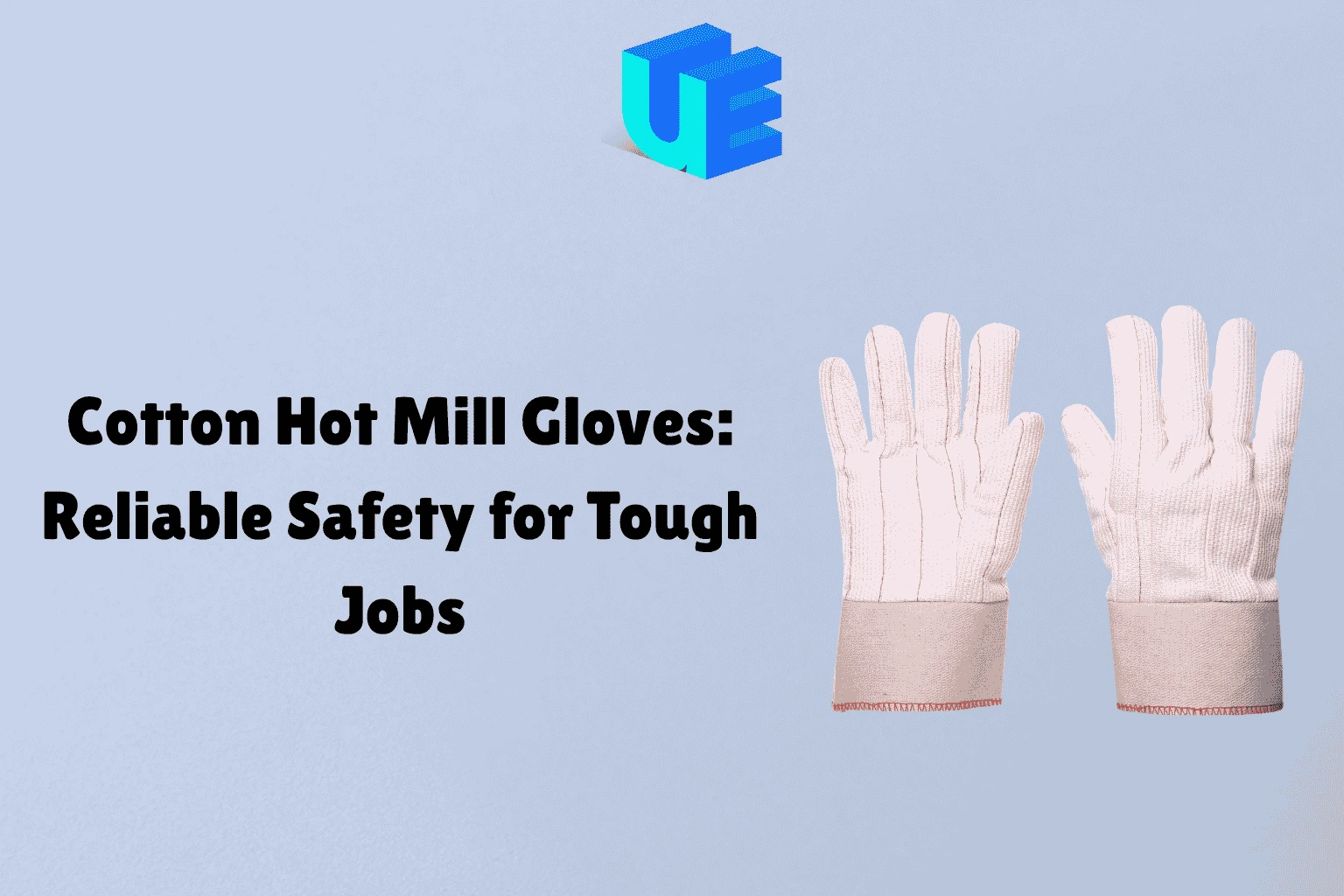
In industrial environments where heat, friction, and repetitive handling are part of daily work, choosing the right protective gear is not optional it’s essential. Cotton hot mill gloves are specifically designed to handle these conditions, offering a balance of heat resistance, durability, and comfort. But not all hot mill gloves perform the same, and selecting the wrong type can lead to reduced protection, faster wear, or even workplace injuries.
This guide explains what actually works when it comes to hot mill gloves. Whether you’re managing a factory floor, working in metal handling, or supervising operations, you’ll learn how to choose the right gloves, avoid common mistakes, and get better performance from your gear.
What Are Cotton Hot Mill Gloves?
Cotton hot mill gloves are heat-resistant work gloves made from heavy-duty cotton fabric, often reinforced with loops or layers to provide insulation against moderate heat and abrasion.
Key Features:
- Made from thick cotton or cotton blends
- Designed to handle moderate heat exposure
- Often include looped or knit construction for insulation
- Provide a balance between grip, comfort, and durability
These gloves are widely used in industries where workers handle warm materials but don’t require extreme heat protection like welding gloves.
Explore options:
Hot Mill Gloves
How Cotton Hot Mill Gloves Work
Unlike synthetic heat-resistant gloves, cotton hot mill gloves rely on fabric density and air pockets to slow down heat transfer.
Here’s how they protect hands:
- Thick cotton layers reduce direct heat contact
- Looped or knit structures trap air, acting as insulation
- Textured surfaces improve grip on warm materials
This makes them ideal for tasks involving:
- Handling warm metal parts
- Working near machinery
- Assembly lines with heat exposure
Types of Hot Mill Gloves You Should Know
Understanding different variations helps you choose what actually fits your job.
- Grip n Hot Mill Gloves
These gloves come with enhanced grip features.
- Better handling of slippery or warm objects
- Reduced risk of dropping materials
- Suitable for fast-paced environments
- Hot Mill Knit Gloves
These are made with knitted cotton for flexibility.
- Comfortable for long hours
- Good for repetitive tasks
- Better hand movement and control
- Standard Hot Mill Work Gloves
Basic but reliable gloves for general use.
- Durable and cost-effective
- Suitable for light to moderate heat
- Common in warehouses and factories
Benefits of Cotton Hot Mill Gloves
- Reliable Heat Protection (Moderate Level)
They provide enough insulation for most industrial tasks involving warm surfaces
- Comfortable for Long Use
Cotton allows airflow, reducing sweat buildup during extended wear.
- Good Grip and Control
Especially in grip-enhanced variants, handling becomes safer and more efficient.
- Cost-Effective for Bulk Use
Compared to high-end heat-resistant gloves, they offer a practical balance of cost and performance.
Limitations You Should Be Aware Of
No glove is perfect, and understanding limitations prevents misuse.
- Not suitable for extreme heat (e.g., welding)
- Limited protection against sharp objects
- Can wear out faster in high-friction tasks
Knowing these limits helps you avoid relying on them in situations where stronger protection is needed.
How to Choose the Right Hot Mill Gloves
If you’re evaluating options beyond just availability, here’s what actually matters:
- Heat Level of Your Work
- Low to moderate heat → cotton hot mill gloves work well
- High heat → consider specialized gloves
- Grip Requirements
- Smooth surfaces → standard gloves
- Slippery or oily materials → grip n hot mill gloves
- Work Duration
- Long hours → choose breathable, knitted options
- Short tasks → standard gloves are sufficient
- Durability Needs
- Frequent use → go for reinforced or thicker gloves
- Occasional use → lighter options work fine
- Specific Product Options
For more targeted needs, explore products like:
6112
6863R
These are designed for different industrial requirements and usage conditions.
Common Mistakes to Avoid
Even experienced buyers and workers make these mistakes:
- Using Hot Mill Gloves for Extreme Heat
These gloves are not designed for high-temperature exposure like welding.
- Ignoring Grip Needs
Poor grip increases the risk of accidents, especially in fast-paced environments.
- Choosing Based on Price Alone
Low-cost gloves may wear out quickly, increasing long-term costs.
- Not Replacing Worn-Out Gloves
Thinned fabric reduces heat protection significantly.
- Using One Type for All Tasks
Different tasks require different glove designs.
Expert Tips for Better Performance
Based on real-world usage, these practices improve safety and efficiency:
- Rotate multiple pairs instead of using one continuously
- Use liners for added comfort in long shifts
- Inspect gloves regularly for wear and tear
- Choose grip-enhanced gloves for handling smooth materials
- Store gloves in dry areas to maintain durability
Real-World Use Cases
- Metal Handling in Workshops
Workers handling warm metal parts rely on hot mill knit gloves for flexibility and protection.
- Warehouse Operations
Grip n hot mill gloves help workers handle packages and materials more safely.
- Manufacturing Units
Standard hot mill work gloves are used for assembly lines where moderate heat exposure is common.
- Maintenance Work
Technicians use these gloves when working near heated machinery components.
How They Compare to Regular Cotton Gloves
If you’ve read about general cotton gloves, you’ll notice key differences.
Learn more: buy cotton hand gloves
Key Differences:
| Feature | Cotton Gloves | Hot Mill Gloves |
| Heat Protection | Minimal | Moderate |
| Thickness | Light | Thick |
| Durability | Basic | High |
| Industrial Use | Limited | Widely used |
What Users Say
We switched to better-quality hot mill gloves, and the difference in grip and comfort was noticeable within days.
Using the right gloves reduced minor burns and improved efficiency on the floor.
Grip gloves helped us reduce handling errors in packaging operations.
FAQs
- What are cotton hot mill gloves used for?
They are used for handling warm materials, providing moderate heat protection and grip in industrial environments.
- Are hot mill gloves heatproof?
No, they are heat-resistant but not suitable for extreme heat like welding.
- What is the difference between knit and standard hot mill gloves?
Knit gloves offer better flexibility and comfort, while standard gloves focus on durability.
- How long do hot mill gloves last?
It depends on usage, but regular inspection is important as wear reduces protection.
- Can I use hot mill gloves for all industrial tasks?
No, they are best for moderate heat and general handling—not for high-risk or sharp-object tasks.
Final Thoughts
Cotton hot mill gloves are a practical solution for many industrial environments, offering a reliable balance of protection, comfort, and cost. But the key to getting real value is choosing the right type for your specific task.
Instead of focusing only on availability, look at heat level, grip needs, durability, and work conditions. That’s what ensures your gloves actually protect your hands and improve performance on the job.
About the Author
Editorial Team – Unique Enterprises
The team at Unique Enterprises brings hands-on experience in industrial safety gear and protective equipment. Their insights are based on real-world applications across manufacturing, construction, and maintenance environments helping professionals choose gear that performs reliably under actual working conditions.