

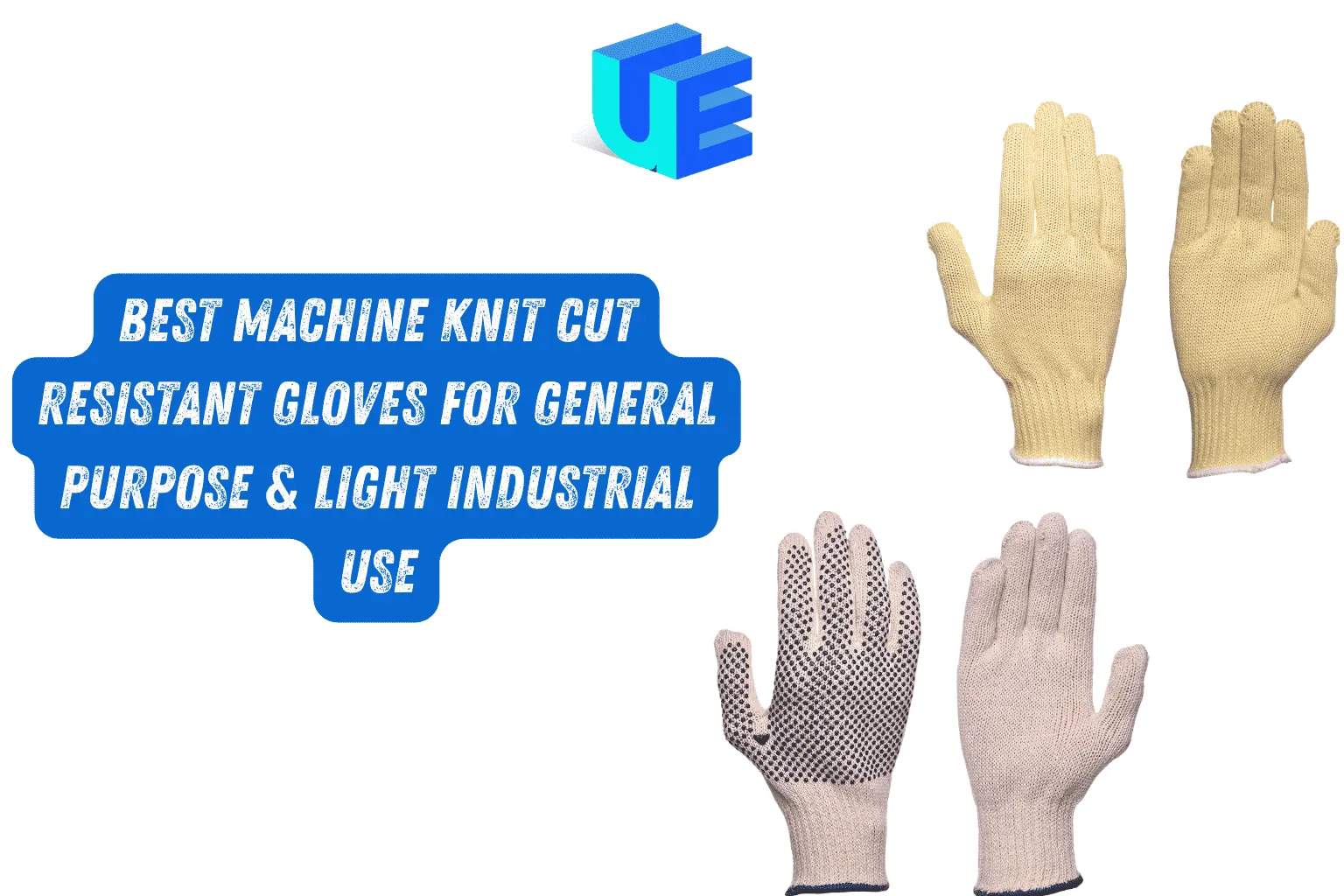
The demand for the best machine knit cut resistant gloves has increased rapidly across warehouses, packaging units, and light industrial workplaces in the USA, especially in Texas, where handling speed and safety both matter. At Unique Enterprises, we have seen a clear shift from traditional bulky gloves toward lightweight, breathable, and high-dexterity protection solutions that workers can wear all day without fatigue.
In real industrial environments, injuries often happen during repetitive tasks like carton handling, assembly work, or light metal contact. That’s where modern machine-knit protective gloves play a critical role. These gloves combine cut resistance, flexibility, and comfort in a way that supports both safety compliance and productivity on the job.
Unlike heavy-duty alternatives, machine knit gloves are designed for precision work while still offering dependable protection against minor cuts, abrasions, and handling risks. This balance makes them one of the most practical choices for general-purpose and light industrial applications.
Why Machine Knit Cut Resistant Gloves Are Preferred in Light Industrial Work
In light industrial environments, workers need gloves that do not slow them down. Machine knit technology allows gloves to fit closely to the hand, improving grip and control during tasks such as packaging, sorting, and equipment handling.
Some key reasons these gloves are widely used:
- High flexibility for repetitive motion tasks
- Breathable structure for long working hours
- Reduced hand fatigue compared to thick gloves
- Better grip in dry and slightly oily conditions
- Cost-effective protection for daily industrial use
Because of these benefits, many businesses in logistics, retail distribution, and maintenance services now prefer machine knit options over traditional leather or heavy-coated gloves.
Understanding Machine Knit Construction and Cut Resistance
Machine knit gloves are produced using automated knitting machines that create a seamless structure. This construction improves comfort while reducing weak stitching points that often fail under pressure.
Cut resistance is usually enhanced through specialized fibers such as:
- High-performance polyethylene (HPPE)
- Glass fiber blends
- Polyester and nylon combinations
These materials are engineered to resist blade contact and surface abrasion, making them suitable for controlled industrial environments.
However, it is important to understand that cut resistance levels vary. For general-purpose use, mid-level protection is usually sufficient, especially in warehouses and light assembly operations.
Best Use Cases for Machine Knit Cut Resistant Gloves in Texas Industries
Texas has a strong industrial and logistics ecosystem, which makes reliable hand protection essential. These gloves are commonly used in:
- Warehouse packaging and sorting
- Automotive light repair tasks
- Assembly line operations
- Maintenance and facility work
- Retail stocking and inventory handling
- General construction support tasks
Workers prefer them because they provide protection without limiting speed or accuracy, which is critical in fast-moving environments.
Machine Knit Cut Resistant Gloves vs Best Cotton Gloves
Many users still compare modern safety gloves with traditional options like best cotton gloves or basic cotton gloves used in general handling work.
Here’s a practical comparison:
- Cotton gloves: Comfortable but minimal protection
- Machine-knit cut resistant gloves: Balanced safety + flexibility
- Cotton gloves absorb sweat but wear out faster
- Machine-knit gloves offer better durability and grip stability
While cotton gloves still serve well for light-duty and hygiene-based tasks, they are not suitable where cut hazards exist. Machine knit gloves fill this gap effectively.
Are SEAMLESS GLOVES better for industrial safety?
Yes, seamless gloves are widely preferred in modern industries because they remove irritation points caused by stitching. This seamless design improves:
- Skin comfort during long shifts
- Grip consistency
- Flexibility in finger movement
- Reduced risk of internal friction injuries
For workers handling repetitive packaging or tools, seamless construction directly improves productivity and reduces hand strain.
Key Features of a High-Quality Protective Cut Resistant Glove
A reliable protective cut-resistant glove should offer more than just blade resistance. Based on field usage and industry feedback, important features include:
- EN388 or ANSI cut resistance rating compliance
- Lightweight structure for long working hours
- Non-slip palm coating for better grip
- Breathable knit design to reduce sweating
- Stretchable fit for different hand sizes
At Unique Enterprises, product consistency and quality control are prioritized to ensure that each glove performs reliably in real working conditions.
Comfort and Performance in Daily Industrial Use
One of the biggest advantages of machine knit gloves is all-day comfort. Workers in logistics and warehouse environments often wear gloves for 8–12 hours daily.
These gloves help reduce:
- Hand fatigue during repetitive lifting
- Sweat buildup in enclosed environments
- Loss of grip due to moisture or dust
- Skin irritation caused by rough materials
As a result, productivity improves naturally because workers can focus on tasks rather than discomfort.
How to Choose the Right Machine Knit Cut Resistant Gloves
Choosing the right glove depends on your work environment. Here are practical selection tips:
- For warehouse work: lightweight grip gloves with moderate cut protection
- For maintenance: reinforced palm gloves with abrasion resistance
- For packaging: breathable, seamless gloves for speed handling
- For mixed tasks: balanced protection + flexibility design
Always match glove specifications with actual job risk instead of overpaying for unnecessary heavy-duty protection.
Customer Testimonials (Unique Enterprises)
Warehouse Supervisor – Houston, Texas
Since switching to machine-knit cut-resistant gloves, our packaging team works faster and reports fewer hand injuries.
Logistics Manager – Dallas, Texas
The comfort level is impressive. Workers wear them for a full shift without complaints.
Maintenance Technician – Austin, Texas
Grip and flexibility are perfect for light repair work. Much better than traditional gloves.
People Also Ask (PAA)
What are machine-knit cut resistant gloves used for?
They are used for warehouse work, packaging, light assembly, and maintenance tasks where minor cut risks exist but flexibility is required.
Are machine-knit cut resistant gloves safe for daily use?
Yes, they are designed for everyday industrial use and provide balanced protection without reducing hand movement.
What is the difference between cotton gloves and cut resistant gloves?
Cotton gloves mainly provide comfort and hygiene, while cut resistant gloves add safety protection against sharp objects and abrasion.
Why are seamless gloves better for industrial work?
Seamless gloves reduce irritation, improve fit, and allow better finger movement during long working hours.
Final Thoughts
The growing shift toward lightweight protective gear shows how industries now prioritize both safety and productivity. Best Machine Knit Cut Resistant Gloves offer a practical balance for general-purpose and light industrial environments, especially in fast-paced regions like Texas.
With proper selection based on task requirements, businesses can significantly reduce minor hand injuries while improving worker efficiency and comfort.
Read our detailed guide on the following: Top Benefits of Premium Jersey Hand Gloves for Industrial and Daily Use.
Use to compare comfort-focused gloves for industrial and daily applications.
Author Bio
Unique Enterprises Editorial Team
Unique Enterprises is a trusted supplier of industrial safety gloves and protective wear, specializing in high-quality SEAMLESS GLOVES, cotton gloves, and cut resistant solutions for global industries. With a focus on durability, worker safety, and real-world usability, the team develops and sources products designed for warehouse, manufacturing, and logistics environments.