

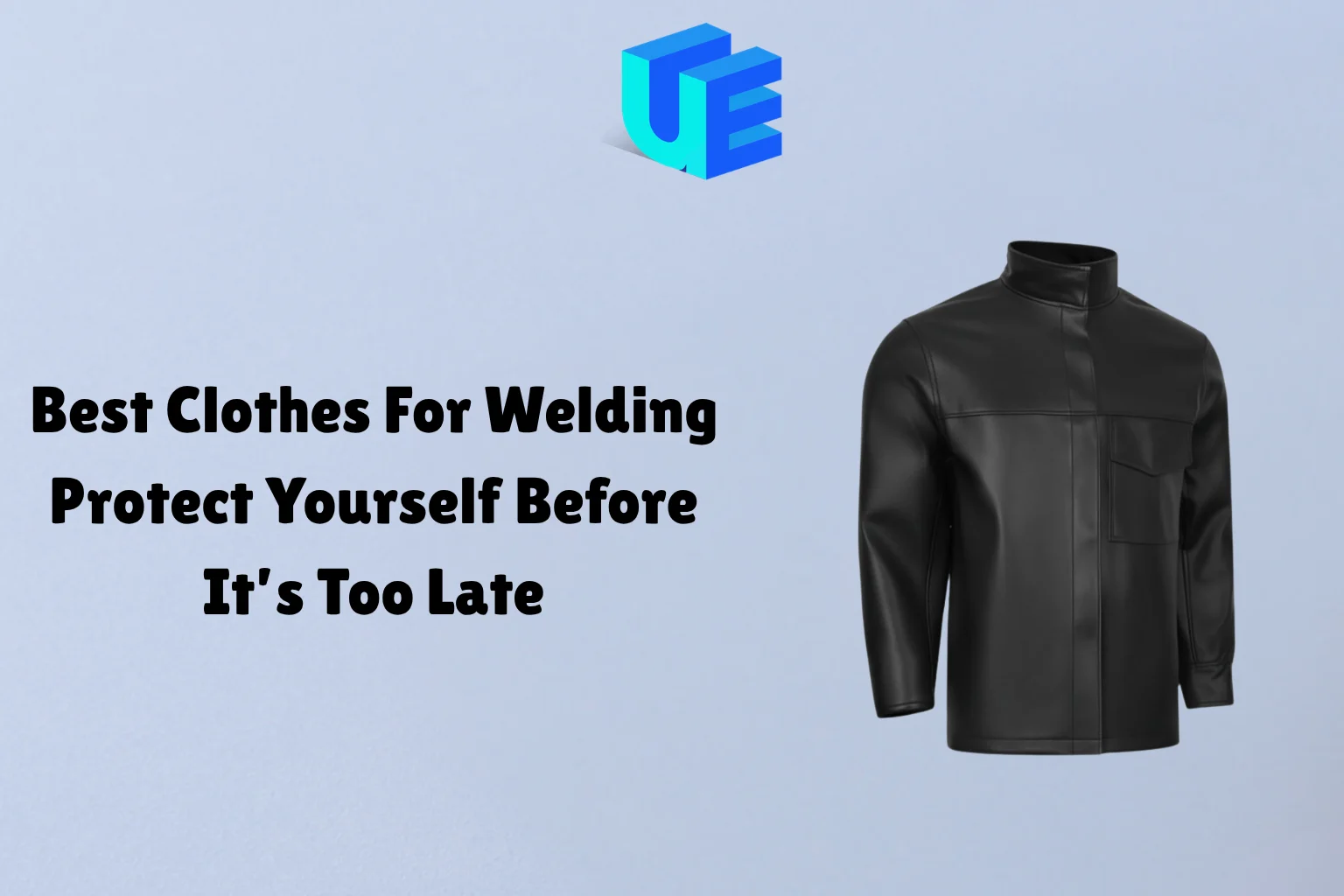
Welding is one of the most demanding and high-risk trades in the industrial world. Sparks, molten metal, and intense heat are part of the daily grind, and one wrong piece of gear can lead to serious injury. I’ve spent years on the shop floor, and I can tell you firsthand: the right clothes don’t just keep you safe—they boost productivity and make long shifts tolerable.
In this guide, we’ll cover the best clothes for welding, focusing on leather welding apparel, practical gear choices, and tips from seasoned professionals. Whether you’re a construction welder in Texas or a manufacturing operator in Ohio, these insights are based on real-world experience, not theory.
Leather Welding Apparel
Leather remains the gold standard for welding safety. Our Leather Welding Apparel has heat-resistant, durable qualities that make it a must-have for serious professionals. But not all leather is created equal, and buying cheap substitutes is a recipe for burns and discomfort.
Key factors to look for:
- Full-grain leather: Offers superior heat and spark resistance.
- Reinforced stitching: Prevents seams from splitting under stress.
- Flexibility: Thick leather is protective, but stiff material slows your movements—look for treated, supple hides.
- Breathability: Some leather welding jackets now feature ventilated panels to reduce sweat buildup.
Featured Products
Aprons
Leather welding aprons are perfect for protecting the torso when performing grinding or overhead welding. Key benefits include:
- Shields chest and stomach from sparks and molten metal
- Lightweight and easy to wear over regular clothes
- Equipped with reinforced pockets for tools and welding rods
- Adjustable straps for a secure, customized fit
Cape Sleeves
Cape sleeves are underrated but incredibly practical. They allow full arm movement while keeping sparks off your shoulders. Key advantages:
- Full range of motion for overhead welding or awkward angles
- Protects arms and shoulders from burns
- Lightweight design minimizes fatigue during long shifts
- Often includes snap or Velcro adjustments for comfort
Jackets
A solid leather welding jacket is non-negotiable for high-heat operations. Look for:
- Adjustable cuffs and waist straps to prevent sparks from slipping under
- Ventilated panels for heat dissipation and comfort
- Reinforced seams in high-stress areas to prevent tearing
- Pockets for small tools and welding accessories
Trousers
Leather-welding trousers protect the lower body from sparks, hot metal, and flame exposure. Key points:
- Full-length coverage to prevent ankle and leg burns
- Heavy-duty material resists abrasion and heat
- Compatible with durable work boots and heat-resistant socks
- Reinforced knees for added durability during kneeling or bending
Industrial Workwear Apparel
Beyond leather, your overall workwear matters. Layers, fit, and fabric can make the difference between comfort and exhaustion.
What works in the field:
- Flame-resistant cotton: Breathable yet protective; ideal for extended hours.
- High-visibility accents: OSHA-compliant reflective strips for night shifts or low-light environments.
- Durable seams and zippers: Prevent wardrobe malfunctions during heavy-duty tasks.
- Layering strategy: Combining leather apparel with flame-resistant shirts and pants gives maximum protection.
Additional tips from experience:
- Opt for ergonomic fits that reduce strain
- Check pockets and tool loops for accessibility
- Avoid overly stiff materials that reduce movement
Expert Insight
Here’s what seasoned welders know:
- Never buy thin leather: It might look good, but it won’t save you in a spark shower.
- Fit is safety: Loose sleeves or trousers increase the risk of snagging on equipment.
- Layer smartly: Flame-resistant shirts under leather jackets reduce sweat discomfort.
- Tool pockets matter: Keep pliers, welding rods, and grinders within easy reach to reduce fatigue.
- Invest in quality: Cheap gear may save money upfront, but it compromises safety and durability.
Common Mistakes to Avoid
- Choosing style over safety: Jackets may look “cool” but fail under heat.
- Buying cheap substitutes: Economizing leads to faster wear and higher replacement costs.
- Ignoring coverage: Sparks can reach wrists and ankles if gear isn’t full coverage.
- Skipping inspection: Worn seams, cracked leather, or frayed edges are hazards.
- Neglecting comfort: Stiff, non-breathable gear increases fatigue and lowers focus.
Unique Enterprises Welding Workwear
At Unique Enterprises, we’ve engineered gear specifically for USA industrial workers who demand durability and comfort. Our leather welding jackets, aprons, and trousers are tested for heat resistance, breathability, and long-term wear.
Why professionals trust us:
- Reinforced stitching in high-stress areas
- Full-grain leather and flame-resistant fabrics
- Ergonomic designs for long hours and heavy workloads
- Tested in real industrial conditions, not just labs
If you want welding clothes that last and protect, these options outperform generic brands every time.
Testimonials
John M., Houston, TX:
I switched to Unique Enterprises leather jackets last year. The difference in protection and comfort is night and day.
Sara L., Chicago, IL:
The aprons and cape sleeves fit perfectly and really help me move freely without worrying about sparks.
Mike T., Detroit, MI:
Durable, practical, and safe. Finally, welding gear that lasts longer than a season!
People Also Ask
1. What is the safest material for welding clothes?
Leather and flame-resistant cotton provide the best protection against heat and sparks.
2. Should I wear a welding apron over my jacket?
Yes, it adds an extra layer of protection for sparks and molten metal.
3. Are leather welding jackets uncomfortable in summer?
Choose ventilated or treated leather for heat resistance without sacrificing comfort.
4. How often should welding apparel be replaced?
Inspect regularly; replace if seams tear, leather cracks, or protective layers degrade.
5. Can industrial workwear prevent fatigue?
Yes, ergonomic, well-fitted gear reduces strain and improves long-shift productivity.
Conclusion
Protecting yourself with the best clothes for welding is not optional—it’s essential for safety, comfort, and productivity. From leather jackets to flame-resistant industrial workwear, each piece plays a role in keeping you injury-free. Trust Unique Enterprises for gear built for real welders, tested in real conditions.
Stay safe, work smarter, and choose welding gear that delivers real protection.
Author Bio
Unique Enterprises Team
Experts in industrial workwear and PPE, with decades of hands-on experience in welding, construction, and manufacturing environments. We combine field-tested insights with trusted safety solutions to keep professionals safe and productive.