

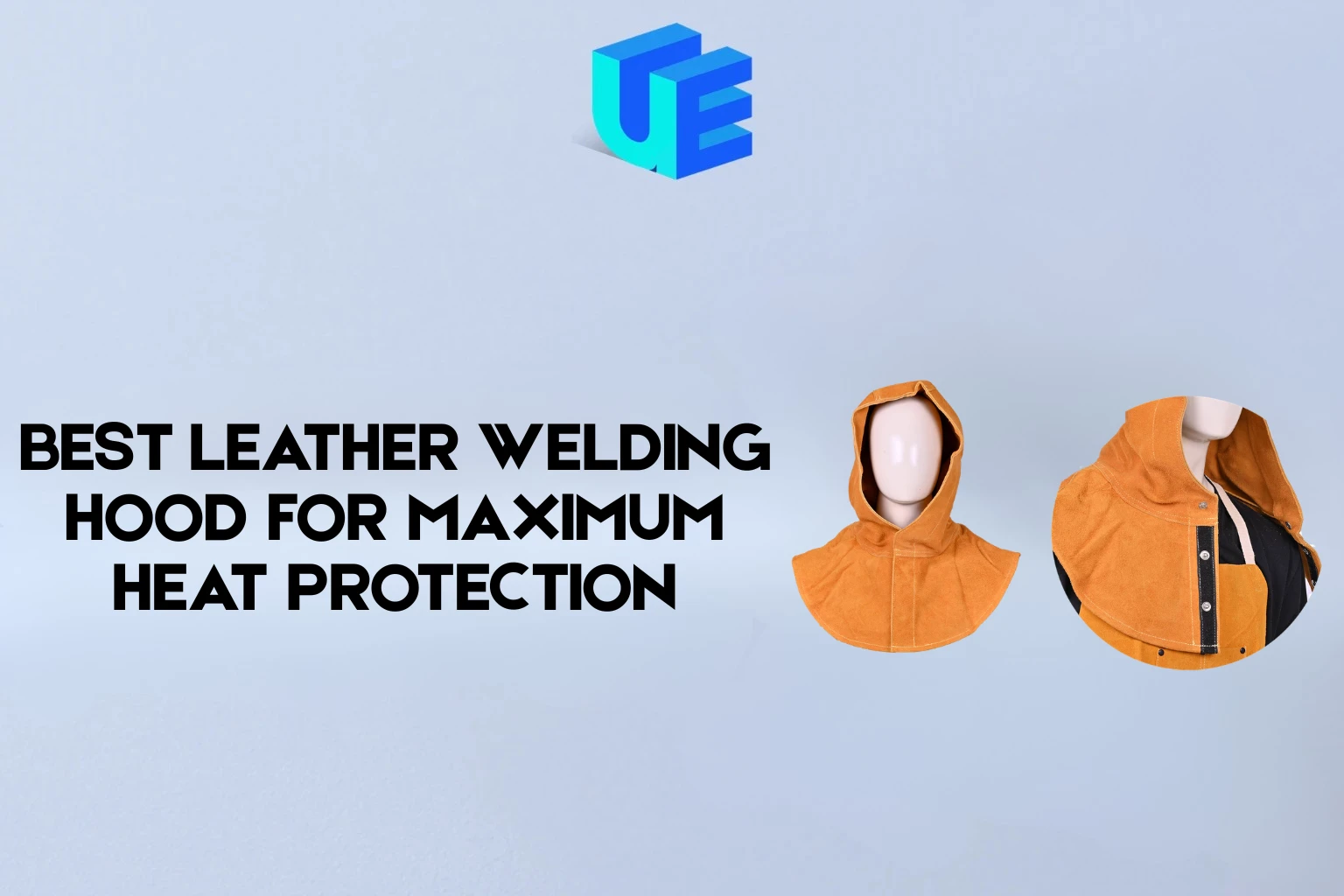
If you’ve ever felt intense heat around your neck and ears while welding, you already know why choosing the Best Leather Welding Hood matters. The right hood doesn’t just improve comfort—it protects you from sparks, radiant heat, and molten metal while helping you stay focused on the job.
A Best Leather Welding Hood is flame-resistant head protection made from heat-resistant leather, designed to shield the head, neck, and ears from sparks, spatter, and radiant heat during welding. It improves safety, comfort, and durability for professional and industrial welders.
Why Every Professional Welder Needs the Best Leather Welding Hood
Whether you’re performing MIG, TIG, Stick, or Flux-Core welding, your helmet alone doesn’t fully protect your head and neck. Small sparks often find their way beneath the helmet or around the collar, causing burns that many welders experience daily.
After working around fabrication shops and industrial welding environments, one thing becomes clear: experienced welders rarely skip wearing a quality leather hood. They understand that repeated heat exposure can lead to skin irritation, damaged clothing, and unnecessary injuries.
A premium leather welding hood fills the protection gap between your welding helmet and jacket, giving you confidence to work in demanding environments.
Understanding Leather Welding Hoods
A welding hood is a protective leather head covering that shields areas your welding helmet cannot completely cover.
It usually protects:
- Head
- Neck
- Ears
- Upper shoulders
- Back of the neck
Unlike cotton alternatives, leather resists sparks far better and lasts significantly longer under high temperatures.
For professionals looking for complete head protection, a dedicated Welding Hood made from premium leather is a practical investment rather than an optional accessory.
Why Cow Split Leather Is Preferred
Cow Split Leather Welding Hood
One of the most trusted materials used in industrial PPE is Cow Split Leather Welding Hood.
Why professionals choose it:
- Excellent resistance to sparks
- Superior heat insulation
- Flexible enough for long working hours
- High abrasion resistance
- Longer service life
Cow split leather is produced from the inner layer of the hide, making it thick enough for heavy-duty protection while remaining comfortable after break-in.
This balance of protection and flexibility makes it ideal for Pakistan’s industrial workshops, fabrication plants, and shipyards.
Key Features of the Best Leather Welding Hood
Premium Heat Resistance
Quality leather naturally resists radiant heat better than many synthetic materials.
A good hood prevents:
- Flying sparks
- Metal spatter
- Flash burns
- Hot slag contact
Comfortable Fit
Professional welders often wear PPE for eight to ten hours.
Look for:
- Adjustable closure
- Soft interior
- Lightweight construction
- Flexible neck design
Comfort reduces fatigue and encourages workers to keep protective equipment on throughout the day.
Heavy-Duty Stitching
The stitching matters as much as the leather.
High-quality hoods use:
- Heat-resistant thread
- Reinforced seams
- Double stitching
- Stress-point reinforcement
Weak stitching usually fails before the leather wears out.
Full Neck Coverage
Many inexpensive hoods leave parts of the neck exposed.
Choose one that provides:
- Extended neck protection
- Ear coverage
- Shoulder overlap
This greatly reduces burn injuries during overhead welding.
Leather vs Cotton Welding Hood
| Feature | Leather Hood | Cotton Hood |
|---|---|---|
| Heat Resistance | Excellent | Moderate |
| Spark Protection | Excellent | Fair |
| Lifespan | Long | Short |
| Durability | Heavy Duty | Light Duty |
| Maintenance | Easy | Frequent washing |
| Professional Use | Highly Recommended | Light-duty only |
Expert Opinion
Cotton hoods may work for occasional fabrication jobs, but professional welders who regularly face sparks and radiant heat usually benefit more from leather. Although leather costs more initially, it often lasts much longer and provides better overall protection.
Material Thickness Matters
Not all leather welding hoods are made equally.
Professionals often prefer medium to heavy split leather because it provides:
- Better spark resistance
- Greater puncture resistance
- Improved durability
- Longer service life
Very thin leather may feel lighter but usually sacrifices protection.
On the other hand, extremely thick leather can become uncomfortable during long shifts.
Finding the right balance is essential.
Performance in Pakistan’s Working Conditions
Pakistan’s welding industry often presents additional challenges:
- High temperatures
- Dust
- Humidity
- Outdoor fabrication
- Construction sites
These conditions demand protective gear that performs consistently throughout long workdays.
Leather naturally handles these conditions better than lightweight fabrics, making it suitable for both indoor workshops and outdoor industrial projects.
Pair Your Hood with the Right Safety Gear
A leather hood performs best when used with other protective equipment.
For complete protection, combine it with:
- Welding helmet
- Leather gloves
- Flame-resistant clothing
- Safety boots
- Respiratory protection when required
Many professionals also wear the best welding jacket for hot weather, which provides heat resistance while improving airflow during Pakistan’s warmer months.
This combination helps reduce heat stress without compromising protection.
Hoodies for Welding vs Leather Welding Hoods
Many new welders confuse hoodies for welding with leather welding hoods.
The difference is significant.
| Hoodies for Welding | Leather Welding Hood |
|---|---|
| Casual protective clothing | Industrial PPE |
| Limited spark resistance | Excellent spark resistance |
| Better for light work | Best for heavy-duty welding |
| Comfortable | Maximum protection |
If your work involves overhead welding, grinding, or industrial fabrication, leather remains the safer option.
Expert Tips Most Buyers Overlook
After evaluating different welding accessories used across fabrication workshops, several practical factors consistently make a difference:
- Choose reinforced seams instead of single stitching.
- Inspect the inside of the hood for rough edges that can cause discomfort during long shifts.
- Ensure the hood fits comfortably beneath your welding helmet without restricting movement.
- Look for smooth neck coverage that doesn’t bunch up when bending or looking upward.
- Select genuine split leather over synthetic alternatives for better durability and protection.
These small details often determine whether a hood remains comfortable after months of daily use or needs early replacement.
Maintenance Tips to Extend the Life of Your Leather Welding Hood
A high-quality leather welding hood can last for years if it’s maintained properly. Many welders replace their PPE too soon because they overlook simple care routines.
Follow these tips to keep your hood in excellent condition:
- Wipe off welding dust and metal particles after each shift.
- Use a damp cloth to remove dirt instead of soaking the leather.
- Allow the hood to air dry naturally if it becomes wet.
- Store it in a cool, dry place away from direct sunlight.
- Avoid harsh detergents or bleach, which can damage the leather.
- Inspect stitching regularly and repair loose seams before they worsen.
Proper maintenance not only extends the product’s lifespan but also ensures it continues to provide reliable protection.
Durability and Expected Lifespan
The lifespan of a leather welding hood depends on the quality of the leather, frequency of use, and maintenance.
| Usage Level | Expected Lifespan |
|---|---|
| Occasional DIY Welding | 3–5 Years |
| Regular Workshop Use | 2–4 Years |
| Heavy Industrial Welding | 1–3 Years |
Premium cow split leather generally outperforms fabric alternatives because it resists abrasion, sparks, and daily wear more effectively.
Cost vs. Value: Is a Premium Leather Hood Worth It?
Many buyers focus only on the purchase price, but experienced welders look at long-term value.
Lower-Cost Welding Hoods
Pros
- Affordable upfront
- Suitable for light or occasional work
Cons
- Wear out more quickly
- Less resistance to sparks and heat
- May require frequent replacement
Premium Leather Welding Hoods
Pros
- Superior heat protection
- Longer lifespan
- Better comfort during extended use
- Lower replacement costs over time
- Improved workplace safety
Cons
- Higher initial investment
Expert Insight: Spending slightly more on quality PPE often saves money in the long run by reducing replacements and helping prevent costly injuries.
Common Mistakes Buyers Make
Choosing the wrong welding hood can affect both safety and comfort. Avoid these common mistakes:
- Buying based on price alone rather than protection.
- Choosing synthetic materials instead of genuine leather.
- Ignoring the quality of stitching and seam construction.
- Purchasing the wrong size, leading to poor coverage.
- Failing to inspect the hood regularly for damage.
- Wearing a hood without matching flame-resistant protective clothing.
A quality hood works best as part of a complete PPE system.
Why Welders Trust Uniqent
When selecting welding safety equipment, consistency matters. Uniqent is known for providing dependable PPE designed for professional welders who need durability, comfort, and reliable heat protection.
Whether you’re working in fabrication, construction, manufacturing, or heavy industry, choosing well-made protective gear helps reduce risks while improving comfort throughout the workday.
What Customers Say
Michael Johnson – Welding Supervisor
I’ve used several leather welding hoods over the years, and the quality of Uniqent’s products stands out. The neck coverage is excellent, and it remains comfortable during long shifts.
David Wilson – Industrial Fabricator
The leather is thick enough to stop sparks without feeling overly heavy. After months of daily use, the stitching still looks great.
James Carter – Maintenance Welder
I paired the hood with a leather welding jacket, and the difference was noticeable immediately. I no longer worry about sparks reaching my neck while welding overhead.
People Also Asked
What is the best leather welding hood for professional welders?
A high-quality cow split leather welding hood with reinforced stitching, full neck coverage, and heat-resistant construction offers the best protection for professional welding applications.
Is a leather welding hood better than a cotton welding hood?
Yes. Leather provides superior resistance to sparks, molten metal, and radiant heat, making it a better choice for heavy-duty welding environments.
How long does a leather welding hood last?
With proper maintenance, a premium leather welding hood can last several years, depending on how frequently it’s used and the working conditions.
Can I wear a leather welding hood with any welding helmet?
Most leather welding hoods are designed to fit comfortably beneath standard welding helmets, providing additional protection for the head, neck, and ears.
Why should I choose cow split leather for welding protection?
Cow split leather offers an excellent combination of heat resistance, flexibility, durability, and long-term performance, making it one of the most trusted materials for welding PPE.
Conclusion
Choosing the Best Leather Welding Hood is about more than buying another piece of safety equipment—it’s about protecting yourself every time you weld. From resisting intense heat and flying sparks to providing lasting comfort during long shifts, a premium leather hood is a smart investment for professionals and serious hobbyists alike.
For welders in Pakistan looking for dependable safety gear, Uniqent offers quality welding protection designed to meet the demands of industrial work. Whether you’re upgrading your Welding Hood, choosing a durable Cow Split Leather Welding Hood, pairing it with the best welding jacket for hot weather, or completing your PPE with suitable hoodies for welding, selecting trusted equipment helps you work with greater confidence.
Visit Uniqent at to explore professional welding safety apparel and protective equipment built for performance and durability.
Author Bio
About the Author – Uniqent
The Uniqent editorial team specializes in welding safety apparel and industrial personal protective equipment. Drawing on industry knowledge and practical insights, the team creates expert resources that help welders choose reliable PPE, improve workplace safety, and make informed purchasing decisions. Uniqent is committed to delivering durable protective gear that meets the needs of professionals across Pakistan and beyond.