

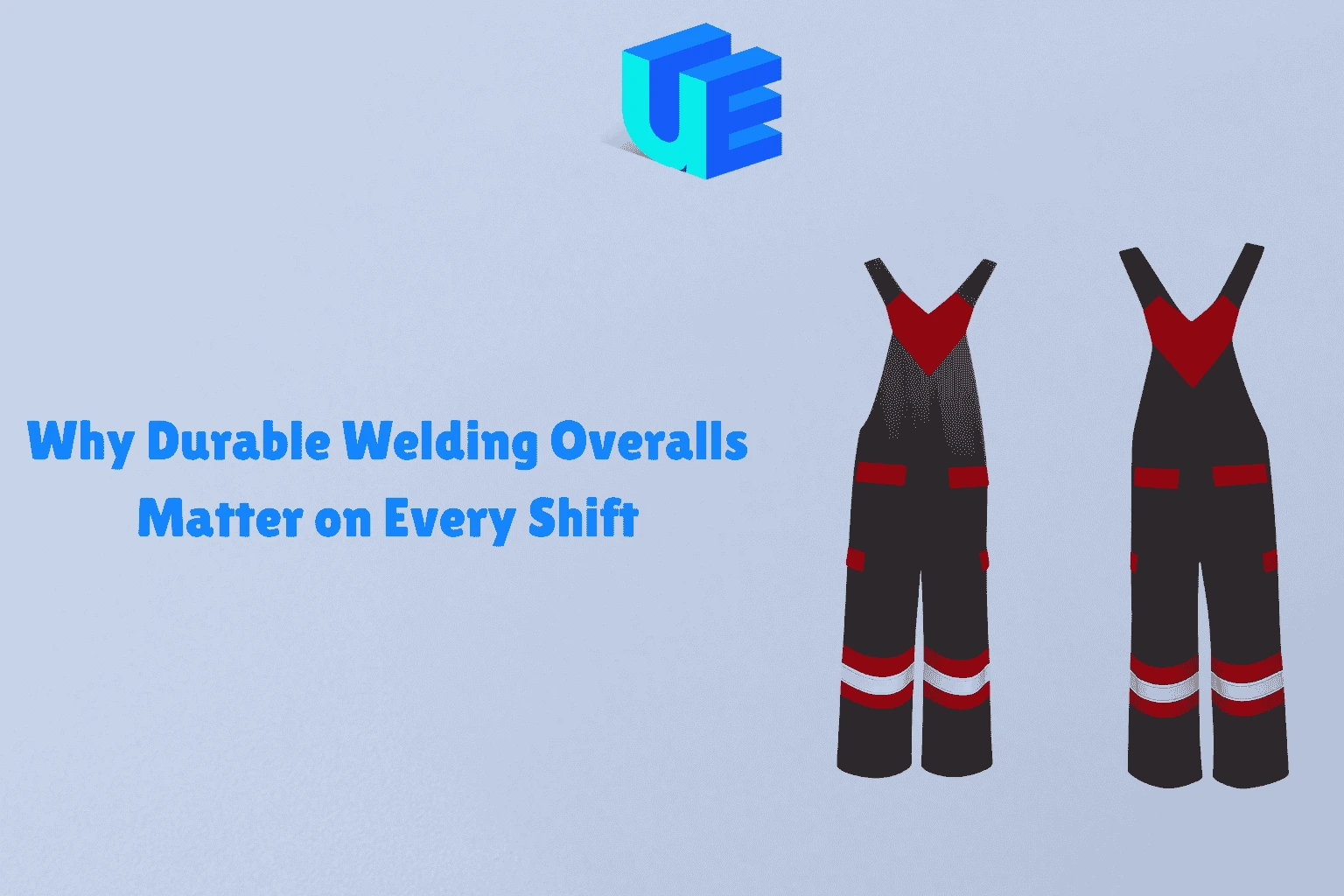
Anyone who welds regularly knows this fast: clothing is not just about comfort. Durable welding overalls play a direct role in day-to-day safety, mobility, and how well a worker gets through a shift without avoidable wear, heat stress, or damaged gear. In real shop and site conditions, overalls are not a style choice. They are part of the system that helps protect the body from sparks, abrasion, grime, and repeated movement.
That matters whether someone is doing light fabrication, structural welding, repair work, or long industrial shifts. The wrong gear can bunch up, tear early, catch slag, or simply wear out too fast in high-contact areas. The right gear lasts longer, fits the job better, and helps welders stay focused on the work instead of adjusting clothing all day. Uniqent’s workwear and safety content reflect that practical side of the trade, especially for buyers comparing welder overalls and trying to understand which features actually matter on the floor.
What makes welding overalls different from regular workwear?
A lot of people shopping for their first serious set of overalls assume any heavy-duty workwear will do. That is usually where problems start.
Welding creates a different set of clothing demands than general labor. Heat, sparks, metal spatter, friction, dirt, kneeling, climbing, and repetitive motion all put stress on garments in ways ordinary jobsite clothing may not handle well.
Durable overalls are built for welding-specific demands
Good welding coveralls or bib-and-brace styles are usually chosen with these conditions in mind:
- Frequent exposure to sparks and hot debris
- Repeated bending, reaching, kneeling, and crouching
- Abrasion around knees, thighs, cuffs, and pocket edges
- Dirt, oil, and workshop residue
- Long wear hours across changing temperatures
That is why proper workwear for welders needs more than thick fabric alone. Cut, construction, reinforcement, and material behavior under real use all matter.
Why durability matters on every shift
Durability is not only about getting more months out of one garment. It affects protection, comfort, consistency, and cost over time.
- It reduces failure in high-wear areas
In real welding environments, garments usually fail in predictable spots:
- Knees
- Seat and thigh seams
- Cuff edges
- Pocket corners
- Shoulder strap attachment points
- Zipper or closure areas
When overalls wear down too quickly, workers start dealing with open seams, thin spots, and poor fit. That may not look serious on day one, but clothing breakdown can make a shift harder and less safe.
- It supports safer movement
Poor-quality overalls often become stiff in the wrong places or loose in others. That creates drag when crouching, climbing, reaching overhead, or stepping around tight equipment.
A durable garment should let the worker move naturally while still staying close enough to the body to reduce snag risks. This is one of those details buyers often miss until they wear the gear for a full day.
- It lowers replacement frequency
Cheap garments that need constant replacement are not really cheaper. For teams and individual tradespeople alike, repeated replacement adds cost and inconsistency.
Durable gear often gives better value because it holds up through repeated washing, daily contact, and longer shift cycles.
- It helps maintain protection standards in practice
Even if a garment begins with good performance, worn fabric and damaged construction reduce practical protection over time. In other words, durability is part of staying protected, not just staying presentable.
Key features to look for in durable welding overalls
Not all overalls marketed to welders are built equally. Some are better for lighter fabrication or general workshop use. Others are more suitable for hotter and more demanding conditions.
Fabric strength and suitability
This is usually the first thing buyers look at, and for good reason.
Useful questions include:
- Is the fabric suited to hot work conditions?
- Does it hold up to abrasion?
- Will it remain wearable over long shifts?
- Is flame-resistant protection needed for the specific task?
Higher-risk environments, flame-resistant garments are often the better choice. For example, FR Bib and Brace Overall is the kind of product category buyers often compare when they need clothing built with added FR performance in mind.
For less intense use cases, a standard option like Bib and Brace Overall may suit the work, depending on site requirements and exposure level.
Reinforced stress points
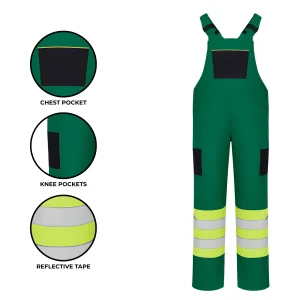
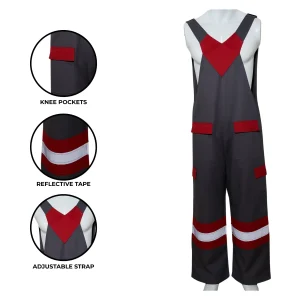
The strongest overalls usually do not rely on fabric thickness alone. They handle wear better because key stress points are built to take repeated strain.
Look for attention around:
- Knee zones
- Seams
- Pocket entry points
- Strap anchors
- Side openings and closures
This is one of the biggest differences between basic work clothing and true industrial welding overalls.
Practical pocket design
Pockets sound like a small thing until they are placed badly.
In welding environments, bulky or exposed pockets can collect debris or interfere with movement. Better designs keep storage useful without creating unnecessary snag points.
Secure, functional closures
Zippers, snaps, buttons, and adjustable braces all need to work under repeated use. Weak closures are one of the earliest failure points in lower-grade garments.
Fit that works during movement
Overalls should not be skin-tight, but they should not be baggy either. The best fit gives room for layering and motion without becoming loose around machinery or edges.
When flame-resistant overalls make more sense
A lot of buyers ask whether standard heavy-duty overalls are enough or if FR gear is necessary. The answer depends on exposure, process, and site rules.
In general, FR garments make more sense when:
- The work involves frequent spark and heat exposure
- The welding environment is more intense or prolonged
- The site requires FR-rated clothing
- Workers are close to active hot work most of the day
This is where product selection should follow actual conditions, not just price. Uniqent also covers related guidance in its article on welding coveralls for protection, which is useful for readers comparing protective clothing needs by task.
Common mistakes buyers make
This is where practical experience matters more than marketing language. Most clothing mistakes happen before the first shift even starts.
Choosing by price alone
A cheaper overall may look fine online, but if it wears out quickly or lacks the right features, it can cost more in the long run.
Ignoring the actual job environment
Light workshop welding and heavy industrial welding are not the same. The gear should match the work.
Buying the wrong fit
Too tight and movement suffers. Too loose and it can snag, drag, or become uncomfortable across a full shift.
Focusing only on the fabric
Fabric matters, but construction matters too. Weak stitching, poor reinforcement, and low-quality closures can shorten lifespan even if the fabric itself seems solid.
Overlooking wash and maintenance reality
Some garments look good at first but degrade quickly with repeated laundering, grime, and hard use. Real durability shows up after repeated shift cycles, not just on delivery day.
Practical benefits welders notice in real use
The benefits of durable workwear tend to show up in small, repeated ways rather than dramatic ones.
Better consistency across the week
Workers notice when a garment still fits and functions the same after several hard shifts.
Less distraction
When overalls ride up, bind at the knees, or feel fragile, they become a constant annoyance. Reliable gear lets people stay focused on the job.
Improved layering in changing conditions
Welders often work through early cold hours, midday heat, and changing indoor-outdoor conditions. Overalls that fit properly make layering easier without becoming restrictive.
Better confidence in demanding tasks
This matters more than people admit. When clothing feels solid, workers move with fewer second thoughts around repetitive high-contact tasks.
Real-world use cases
Shop fabrication
In fabrication shops, overalls deal with sparks, grinding debris, dust, repeated bench work, and movement between stations. Durability matters because garments are worn hard, even if the environment feels more controlled than field work.
Site welding and maintenance
Field conditions are rougher on clothing. Workers may kneel on rough surfaces, move around steel, climb, or work in mixed weather. This is where stronger construction and practical fit become even more important.
Agricultural and repair welding
Repair work often involves awkward positions, dirty conditions, and mixed tasks beyond welding alone. Overalls need to stay functional across crawling, lifting, crouching, and quick movement.
Long-shift industrial work
In extended shift environments, comfort becomes part of durability. A garment can be technically strong but still poor for daily wear if it traps heat badly or restricts motion.
How to choose the right pair for your work
A useful buying process starts with the job, not the product page.
Ask these questions first
- How much heat and spark exposure is involved?
- Are FR garments required?
- Will the work involve frequent kneeling or climbing?
- Is the environment mostly indoor, outdoor, or mixed?
- Do you need room for layering underneath?
- How many days a week will the garment be worn?
Then compare these features
- Fabric suitability
- Reinforced wear zones
- Closure quality
- Pocket layout
- Adjustability
- Ease of movement
- Cleaning and maintenance practicality
That process usually leads to better choices than just searching for the thickest garment.
Limitations and trade-offs to keep in mind
A balanced buying decision means recognizing what even good overalls cannot do.
- Heavier garments may feel warmer during long shifts
- More protective gear can sometimes reduce breathability
- Extremely rugged construction may feel stiffer at first
- One overall style may not suit every welding process equally
- No garment replaces full PPE or safe work habits
This is important: overalls are one piece of welder safety gear, not the whole system. Face protection, gloves, footwear, sleeves, and task-specific PPE still matter.
Best practices for getting more life out of welding overalls
Even durable clothing wears out faster when treated badly.
Rotate garments when possible
If a welder uses the same pair every single day, wear shows up faster. Rotation gives fabric and seams time to recover between wash cycles and shifts.
Inspect stress points regularly
Check:
- Knees
- Seams
- Strap anchors
- Closures
- Pocket edges
- Cuffs
Catching wear early can prevent bigger failures.
Wash according to care guidance
Harsh washing and drying habits can shorten the life of protective garments. Follow care instructions, especially for FR items.
Do not ignore minor damage
Small tears and seam issues rarely stay small in welding environments.
What actually works on the job
From a practical standpoint, the best welding apparel tends to share a few traits:
- It is matched to the level of exposure
- It fits well enough for repeated movement
- It holds up at the knees, seams, and fasteners
- It stays functional after repeated washing
- It supports the worker without getting in the way
That last point is underrated. Great gear often feels almost invisible during the shift because it is doing its job without demanding attention.
Customer perspectives
These are the kinds of comments that come up when workers switch from basic workwear to better-built overalls:
The biggest difference for me was the knees and straps. My older pair gave out early there, but the better one stayed solid through daily shop work.
I used to buy cheap overalls and replace them too often. Spending more once actually worked out better over the year.
For field repairs, fit matters as much as fabric. If it catches or binds when you crouch, you notice it all day.
FAQ:
What should welders wear over regular clothes?
Usually overalls or coveralls suited to hot work, plus gloves, proper footwear, and face and eye protection. The exact setup depends on the welding process and exposure level.
Are welding overalls the same as normal work overalls?
Not always. Welding garments are usually chosen for better heat, spark, and abrasion performance, plus safer construction for the task.
Do welders need flame-resistant clothing?
Often yes, especially in higher-exposure environments or where site rules require it. It depends on the type of work and level of heat and spark contact.
How long should a good pair last?
That depends on frequency of use, washing, and job conditions. In practice, a better-built pair should noticeably outlast budget workwear under the same use.
Should overalls be loose or fitted?
They should allow full movement and layering without being so loose that they snag or drag. A balanced fit usually works best.
What wears out first on welding overalls?
Knees, seams, cuffs, pockets, and strap attachment points are common early failure areas.
Final thoughts
On paper, overalls can seem like a basic purchase. On the job, they are not basic at all. Durable welding overalls affect protection, movement, comfort, and long-term value in ways that become obvious after a few real shifts.
The right pair helps workers handle sparks, abrasion, repeated motion, and long wear hours with fewer problems. The wrong pair becomes a constant source of distraction or early replacement. Whether someone is comparing standard welding coveralls, upgrading workwear for welders, or deciding between basic and industrial welding overalls, the smartest choice is the one that matches real job conditions and holds up where it counts.
Author Bio
Uniqent Editorial Team
The Uniqent editorial team writes from a practical workwear and PPE perspective, with a focus on how garments perform in real industrial, workshop, and field conditions. Their content is built around everyday buyer questions, safety considerations, fabric performance, and the details workers actually notice after repeated use on the job.