


Welding is a high-risk task that requires proper hand protection to prevent burns, abrasions, and long-term injuries. Choosing the best jersey gloves for welding work is essential for both professional welders and DIY enthusiasts. These gloves provide comfort, dexterity, and basic heat resistance, making them an integral part of your safety gear. In this hands-on guide, we’ll cover everything you need to know to select the right gloves, highlight practical considerations, and share tips to avoid common mistakes.
What Are Jersey Gloves?
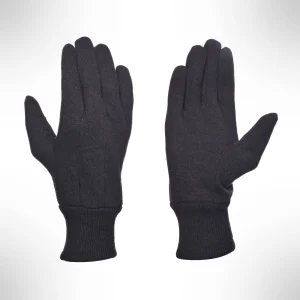
Jersey gloves are soft, lightweight hand coverings typically made from cotton or cotton blends. Unlike heavy-duty leather gloves, they prioritize comfort and dexterity over extreme heat resistance.
Key characteristics of welding jersey gloves include:
- Stretchable knit construction for a snug fit
- Breathable material to reduce hand sweat
- Lightweight design that allows for precise handling of tools
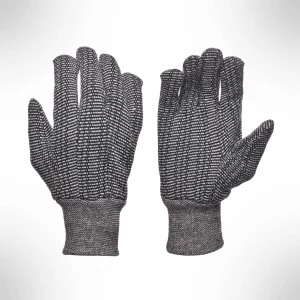
- Varieties in color and weave, including Black & White Cotton Jersey Gloves
While jersey gloves are not suitable for high-heat operations, they are ideal for light welding tasks, assembly work, and handling materials where grip and flexibility are crucial.
Benefits of Using Jersey Gloves in Welding
Comfort and Dexterity
- Jersey gloves conform to the hand, allowing precise manipulation of welding tools
- Flexible enough for handling small parts without removing gloves
Cost-Effective Protection
- Typically more affordable than leather or specialized heat-resistant gloves
- Can be used for pre-welding prep and cleanup tasks
Lightweight and Breathable
- Prevents excessive hand sweating
- Reduces fatigue during extended work sessions
Easy Maintenance
- Machine washable for repeated use
- Quick-drying cotton blends make them convenient for workshops
Limitations to Consider
While jersey gloves are versatile, they are not a substitute for premium heat-resistant gloves in high-intensity welding. Limitations include:
- Low heat resistance – not suitable for prolonged direct contact with sparks
- Limited cut and puncture protection compared to leather
- Wear and tear occurs faster with heavy-duty tasks
To mitigate these risks, many professionals pair jersey gloves with premium jersey gloves or specialized leather gloves for high-heat areas.
Popular Types and Models
Several types of jersey gloves are popular among welders:
- Standard cotton jersey gloves – basic protection for general workshop tasks
- Black & White Cotton Jersey Gloves – popular for improved dirt visibility and grip
- Model 6871 – a reinforced version with enhanced durability and grip
Choosing the right model depends on task intensity, duration, and workspace environment.
Practical Considerations for Choosing the Best Jersey Gloves
- Task-Specific Requirements
- Light welding, assembly, and prep work benefit most from jersey gloves
- Heavy welding or cutting requires layering with heat-resistant gloves
- Fit and Sizing
- Gloves that are too loose reduce control
- Too tight gloves may restrict blood flow and cause fatigue
- Material Quality
- Look for tightly knit cotton blends
- Reinforced palms or fingertips enhance durability
- Durability vs. Cost
- Higher-quality jerseys last longer but cost more
- For frequent heavy use, consider alternating with premium jersey gloves
Common Mistakes Welders Make
- Using jersey gloves for high-heat welding – can result in burns
- Ignoring proper fit – reduces dexterity and increases hand fatigue
- Skipping inspection – worn-out gloves compromise protection
- Over-relying on a single type – combining with leather gloves improves safety
Expert Tips and Best Practices
- Always inspect gloves for wear before each session
- Layer gloves when handling sparks or high-temperature surfaces
- Wash gloves regularly to maintain hygiene and flexibility
- Rotate between pairs to extend their lifespan
By following these hands-on practices, you can maximize safety and productivity in the workshop.
Real-World Use Cases
- DIY Welding Projects: Home hobbyists often use Black & White Cotton Jersey Gloves for clean-up and small welds
- Industrial Workshops: Workers pair jersey gloves with leather or heat-resistant gloves during assembly or light welding tasks
- Training and Apprenticeships: Students use jersey gloves for handling tools safely while learning techniques
Customer Testimonials
Tom H., Professional Welder
I use jersey gloves for prep and finishing tasks. They’re comfortable, breathable, and give me precise control.
Linda K., DIY Hobbyist
The Black & White Cotton Jersey Gloves make small welding projects so much easier. I don’t lose dexterity, and they’re easy to clean.
Raj P., Industrial Workshop Manager
Model 6871 gloves last longer than standard jerseys. They’re perfect for light welding and assembly lines.
FAQ
Are jersey gloves safe for welding?
Yes, for light welding, prep work, and material handling. For high-heat tasks, combine with leather or heat-resistant gloves.
How long do jersey gloves last?
With regular use, high-quality cotton jerseys last several months, depending on task intensity.
Can I wash jersey gloves?
Yes, most cotton jersey gloves are machine washable and dry quickly.
What is the difference between standard and premium jersey gloves?
Premium jersey gloves usually have reinforced palms, improved grip, and longer durability.
Should I pair jersey gloves with other gloves?
Yes, layering with leather or heat-resistant gloves is recommended for high-heat welding tasks.
Related Resources
For tasks that require more protection, check our guide on best leather gloves for work.
Final Thoughts
Choosing the best jersey gloves for welding work depends on understanding your task, environment, and required dexterity. While they offer comfort, light protection, and flexibility, pairing them with leather or premium gloves for high-heat tasks ensures optimal safety. By following proper selection, inspection, and usage practices, you can protect your hands while maintaining productivity and precision.
Author Bio
Uniqent Editorial Team
The Uniqent editorial team has hands-on experience in industrial safety, welding, and workshop best practices. Their content focuses on practical insights, safety guidelines, and real-world reviews to help professionals and hobbyists make informed decisions about protective gear and tools.