

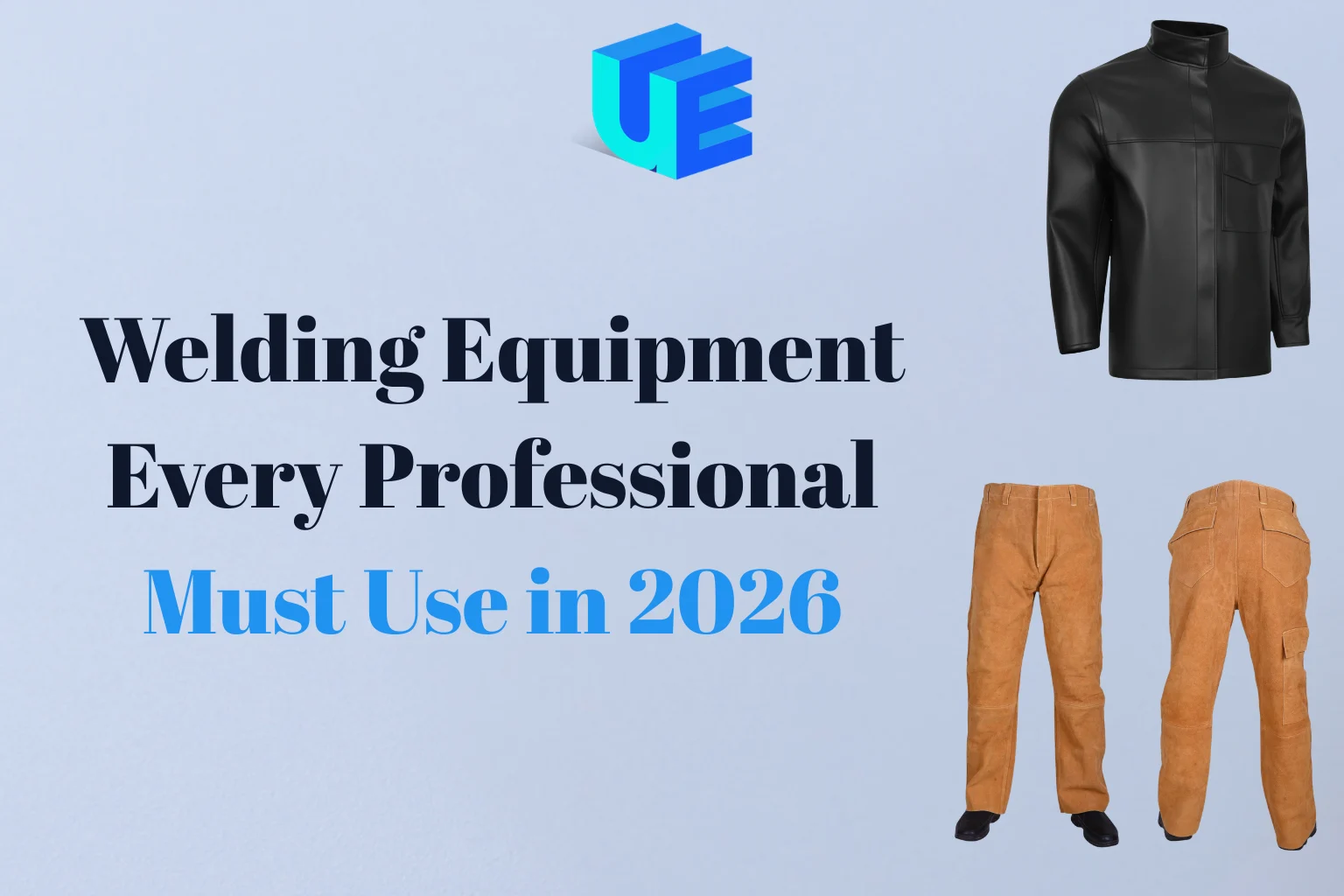
Welding remains one of the most demanding industrial trades. From fabrication shops to construction sites, professionals rely on high-quality welding equipment to produce strong, consistent welds while staying safe. However, many welders still face common challenges—equipment failure, poor safety protection, or inefficient tools that slow down productivity.
In 2026, the welding industry continues to evolve with improved safety standards, better materials, and smarter tools. Using the right welding equipment is no longer just about completing a task; it’s about protecting workers, improving weld quality, and maintaining productivity.
This guide explains the essential welding equipment every professional must use in 2026, including protective clothing, tools, and safety gear that help welders perform efficiently and safely. Whether you are working in fabrication, heavy manufacturing, or metal repair, understanding the right equipment will help you make better decisions for your workshop or job site.
Why Professional Welding Equipment Matters in 2026
Modern welding environments demand precision, efficiency, and strict safety standards. The wrong equipment can lead to poor weld quality, workplace injuries, and costly delays.
Using reliable welding equipment provides several benefits:
- Improved weld quality with consistent heat control
- Enhanced worker safety against sparks, heat, and molten metal
- Better productivity through efficient tools and protective gear
- Compliance with industry safety standards
Professional welders understand that quality equipment protects both the worker and the final weld result.
Essential Welding Equipment Every Professional Needs
Below are the most critical categories of welding equipment professionals rely on today.
| Equipment Type | Purpose | Importance |
|---|---|---|
| Welding Machine | Generates heat to fuse metals | Core welding tool |
| Welding Helmet | Protects eyes and face | Prevents arc flash |
| Welding Gloves | Protect hands from heat | Essential safety gear |
| Protective Clothing | Prevents burns and sparks | Long-term safety |
| Welding Aprons & Sleeves | Protect torso and arms | High-heat environments |
Each piece plays a vital role in maintaining both work efficiency and safety.
Leather Welding Apparel
One of the most critical parts of modern welding equipment is protective clothing, especially leather welding apparel. Leather remains the preferred material for welders because it withstands high heat, sparks, and molten metal splatter.
Professionals rely on leather apparel because it provides:
- High resistance to sparks and slag
- Strong durability during heavy industrial work
- Long-lasting protection in high-temperature environments
- Comfortable flexibility during welding tasks
Brands such as Unique Enterprises manufacture specialized leather protective clothing designed specifically for welding professionals.
Leather welding apparel often includes protective jackets, aprons, sleeves, and trousers. Each piece plays a unique role in protecting the welder.
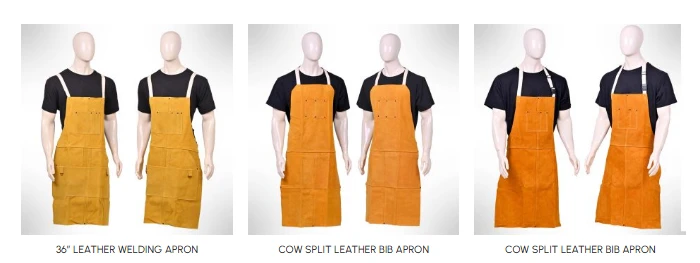
Aprons
Welding aprons are one of the most commonly used protective items in professional workshops. They protect the front torso and upper legs from sparks and hot metal.
Why Welding Aprons Are Essential
Professional welders often lean close to the workpiece, increasing exposure to heat and sparks. A strong apron provides a protective barrier.
Benefits of welding aprons include:
- Protection against molten metal splashes
- Heat resistance during long welding sessions
- Additional durability for heavy industrial tasks
- Reduced clothing damage
Tips for Choosing a Welding Apron
When selecting an apron, professionals should look for:
- Thick leather construction
- Reinforced stitching
- Adjustable straps for comfort
- Full torso coverage
These features ensure the apron performs effectively in demanding welding environments.
Jackets
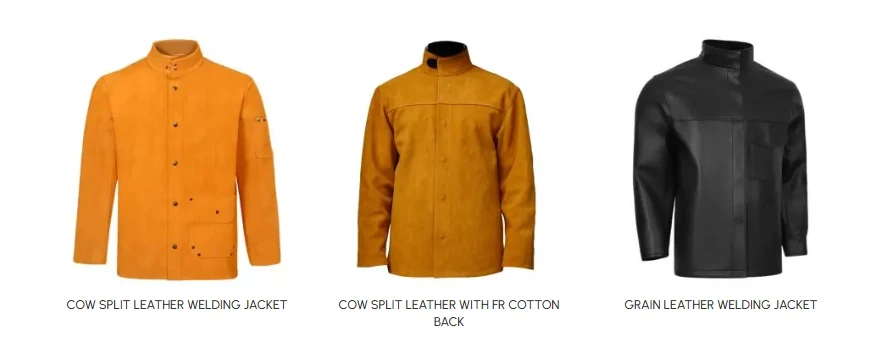
A welding jacket is another essential piece of protective welding equipment. Welding jackets protect the arms, shoulders, chest, and upper body from sparks and radiant heat.
Why Fire Resistant Welding Jackets Matter
During welding, sparks and molten metal can travel several feet from the weld area. A strong jacket significantly reduces burn risks.
Advantages include:
- Full upper-body protection
- Heat and flame resistance
- Better comfort during extended welding work
- Reduced risk of workplace injury
Professional welders typically choose jackets made from split leather or flame-resistant materials because they provide strong durability.
Common Mistake
Some welders work without proper jackets during short tasks. Even quick welding jobs can produce sparks that cause burns or clothing damage.
Using a fire resistant welding jacket prevents these risks.
Sleeves
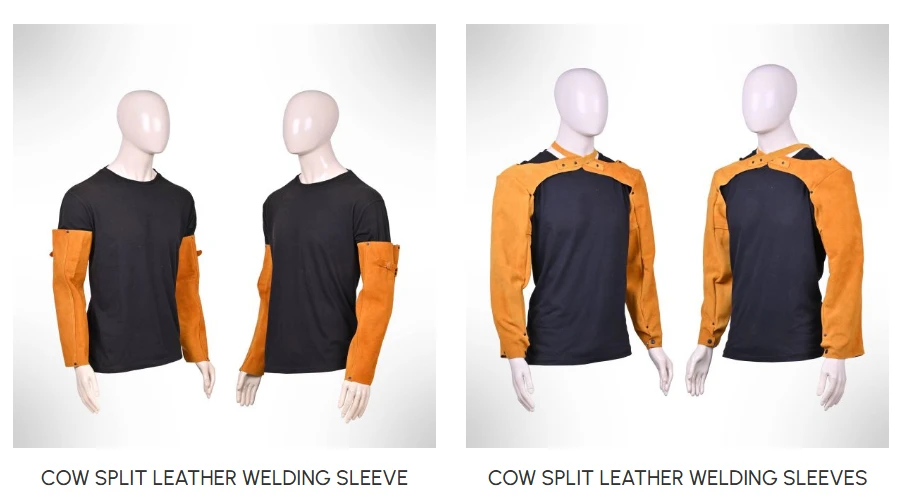
Welding sleeves provide targeted protection for the arms and shoulders. They are particularly useful when full jackets are not required or when working in hot environments.
Benefits of Welding Sleeves
- Protect arms from sparks and slag
- Allow better ventilation compared to full jackets
- Flexible and lightweight protection
- Easy to wear with other safety gear
Many professionals combine sleeves with aprons or jackets depending on the welding environment.
Trousers
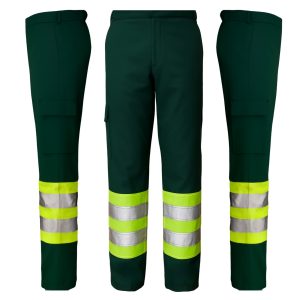
Lower-body protection is often overlooked, yet sparks frequently fall downward during welding. Welding trousers help prevent burns and protect the legs.
Why Welding Trousers Are Important
Professional welders spend long hours working close to hot metal surfaces. Protective trousers reduce the chance of serious injuries.
Key features of welding trousers include:
- Heat-resistant leather material
- Reinforced seams for durability
- Comfortable fit for mobility
- Protection from sparks and slag
When used with jackets and aprons, trousers create complete protective coverage.

Other Important Welding Safety Gear
In addition to protective clothing, professionals rely on several other types of safety gear.
Welding Helmets
Helmets protect the eyes and face from intense arc light, sparks, and radiation.
Modern helmets offer:
- Auto-darkening lenses
- Clear viewing areas
- Adjustable headgear
- Better eye protection
Welding Gloves
Gloves protect hands from heat, sparks, and metal edges. Leather gloves remain the most reliable option.
Respiratory Protection
Welding fumes can contain harmful particles. Respirators help maintain safe air quality in confined spaces.
Steel-Toe Boots
Heavy equipment and hot metal can fall unexpectedly. Strong boots protect feet from injuries.
Step-by-Step Guide: Setting Up Your Welding Equipment
Proper equipment setup helps ensure safe and efficient welding.
Step 1: Prepare the Workspace
- Remove flammable materials
- Ensure good ventilation
- Set up fire safety equipment
Step 2: Wear Protective Apparel
Use leather jackets, aprons, sleeves, and gloves before starting.
Step 3: Check the Welding Machine
- Inspect cables
- Confirm voltage settings
- Ensure proper grounding
Step 4: Test Equipment
Perform a short weld test before starting the full job.
Step 5: Maintain Safety Gear
Check protective clothing regularly for damage.
Common Welding Equipment Mistakes
Even experienced welders sometimes make mistakes when selecting equipment.
1. Ignoring Protective Clothing
Some welders focus only on tools and forget about protective apparel.
2. Using Low-Quality Gloves
Cheap gloves wear out quickly and expose hands to heat.
3. Poor Equipment Maintenance
Unmaintained welding machines can cause inconsistent welds.
4. Lack of Proper Ventilation
Fumes can build up quickly in enclosed areas.
Avoiding these mistakes improves both work safety and weld quality.
Real User Testimonials
Mark Thompson – Fabrication Specialist
After switching to protective leather welding gear from Unique Enterprises, our team noticed a big difference in comfort and safety during long welding shifts.
Daniel Brooks – Industrial Welder
Reliable welding equipment makes a huge difference. The protective jackets and sleeves we use now provide much better heat resistance.
Kevin Harris – Workshop Supervisor
Safety gear is not optional in our workshop. Strong welding apparel has reduced minor burn incidents significantly.
People Also Ask
What welding equipment is essential for beginners?
Beginners need a welding machine, helmet, gloves, and protective clothing such as jackets or aprons for safety.
Why is leather used in welding apparel?
Leather resists sparks, heat, and molten metal better than most fabrics.
What safety gear should every welder wear?
Welders should wear helmets, gloves, protective clothing, and steel-toe boots.
How often should welding equipment be inspected?
Equipment should be checked before every major welding job to ensure safety and performance.
Are welding jackets necessary?
Yes, welding jackets protect the upper body from sparks and heat during welding.
Conclusion
Professional welding requires more than skill—it requires the right welding equipment. From welding machines and helmets to protective leather clothing, each piece of equipment plays an important role in maintaining safety and productivity.
Protective clothing such as aprons, jackets, sleeves, and trousers forms a strong barrier against sparks and heat. When combined with helmets, gloves, and other safety gear, welders can work confidently and efficiently.
Companies like Unique Enterprises continue to supply durable welding apparel designed for professional environments. By investing in reliable welding equipment, welders can reduce risks, improve performance, and produce stronger welds in every project.
Author Bio
Unique Enterprises Team
The Unique Enterprises Team consists of experienced safety equipment specialists and industry professionals focused on protective welding gear and industrial workwear. With years of experience supplying welding apparel and safety solutions to professional workshops and industrial businesses, the team shares practical knowledge to help welders choose reliable equipment that improves both safety and productivity.