

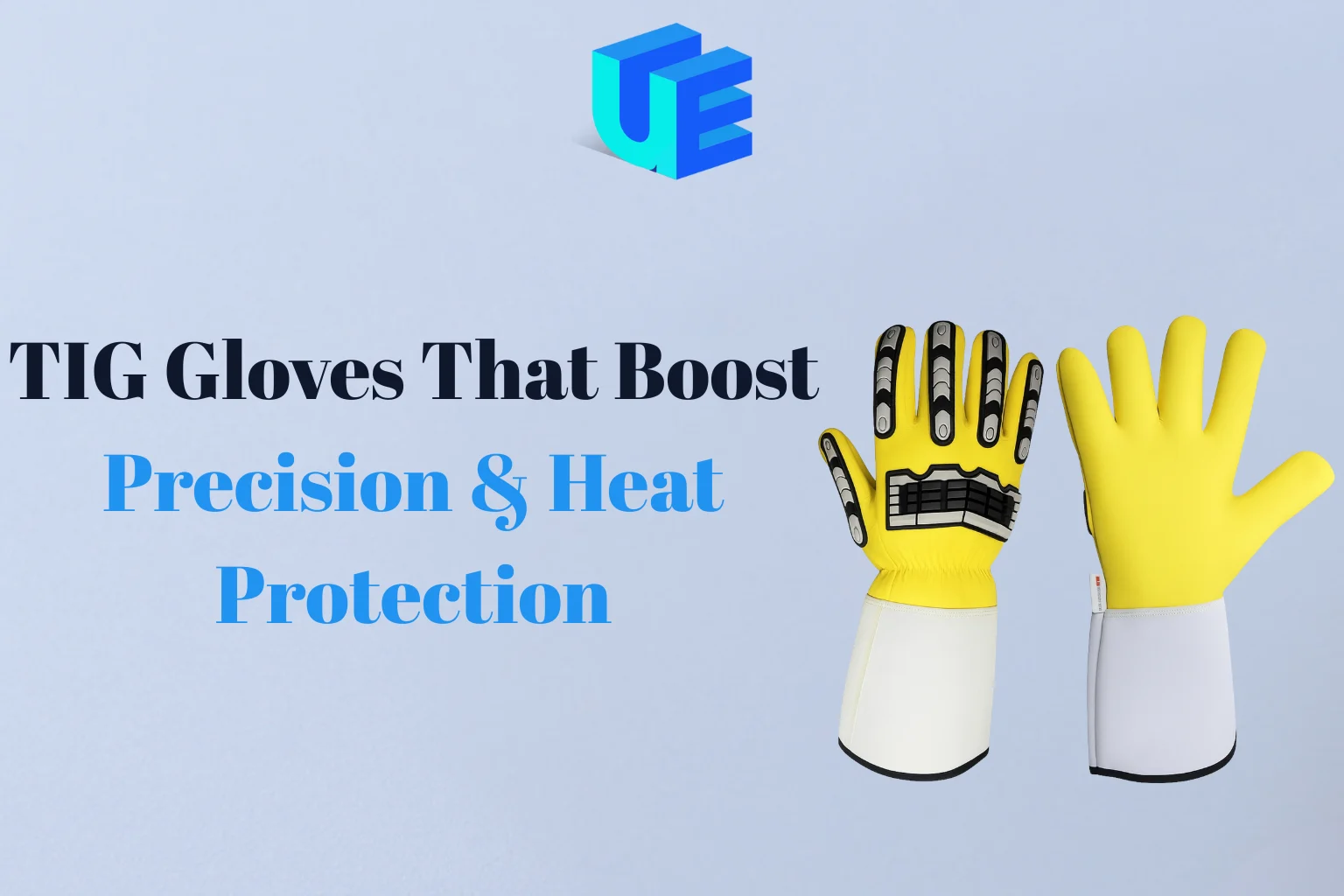
When it comes to TIG welding, precision, safety, and comfort are crucial. Many welders underestimate the importance of the right gloves, but using improper hand protection can lead to burns, poor control, and reduced weld quality. TIG Gloves are designed to give welders maximum control under extreme heat, combining safety, flexibility, and durability.
In this guide, we’ll explain why TIG gloves are essential, highlight their benefits, and provide detailed insights into top-performing gloves like Goat FR Cotton TIG Welding Gloves and Sheep Leather TIG Welding Gloves. Whether you’re a beginner or a professional, this blog will help you make an informed choice for your safety and performance.
What Are TIG Gloves and Why Use Them?
TIG Gloves are specialized gloves designed for Tungsten Inert Gas (TIG) welding. Unlike regular work gloves, they offer:
- Heat resistance to protect hands from burns
- Enhanced dexterity for precise weld control
- Impact protection in case of sparks or accidental contact
Using the right TIG gloves is not just about comfort; it’s about preventing injuries and improving the quality of your work. Poor gloves can cause hand fatigue, reduced precision, and even long-term injuries.
Key Benefits of These Gloves:
- Superior heat resistance for high-temperature welding
- Improved grip and control for precise welds
- Flexibility to handle small, detailed welding tasks
- Long-lasting durability for repeated use
- Protection against sparks, spatter, and abrasions
Types of TIG Gloves
These gloves come in several materials and designs, each offering specific benefits:
- Goat Leather Gloves: Soft, flexible, and resistant to heat
- Sheep Leather TIG Welding Gloves: Comfortable, lightweight, and great for precision work
- Goat FR Cotton Gloves: Fire-resistant cotton lining for extended protection
- Impact-Protected Gloves: Extra padding for heavy-duty welding
Each type caters to different welding needs, so choosing the right glove depends on your specific work environment and welding tasks.
TIG Welding Gloves
When shopping for TIG Welding Gloves, it’s important to look for gloves that combine:
- Heat resistance
- Dexterity for precise welds
- Long-lasting materials like goat or sheep leather
- Safety certifications
Tips for Choosing TIG Welding Gloves:
- Check the material: Goat leather is soft and flexible; sheep leather offers lightweight comfort.
- Ensure proper fit: Gloves that are too loose reduce precision; gloves that are too tight reduce comfort.
- Look for fire-resistant lining for added protection.
- Consider padded or reinforced designs if handling heavy or hot materials.
Product Spotlight
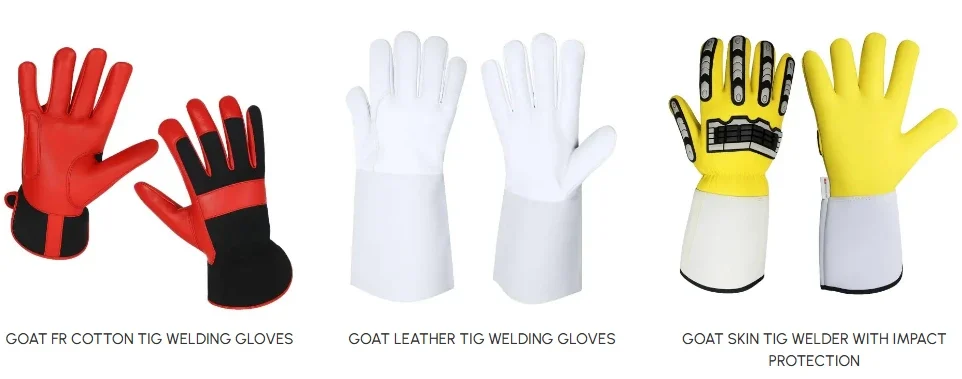
Goat FR Cotton TIG Welding Gloves
Features:
- Fire-resistant cotton lining
- Soft goat leather exterior
- Heat-resistant up to 932°F (500°C)
- Flexible design for accurate welds
Benefits:
- Protects hands during high-temperature TIG welding
- Provides superior grip and control
- Reduces hand fatigue during long welding sessions
Goat Leather TIG Welding Gloves
Features:
- Premium goat leather exterior
- Lightweight design for precise handling
- Durable and abrasion-resistant
Benefits:
- Excellent flexibility for fine TIG welding tasks
- Provides reliable protection from sparks and heat
- Long-lasting performance
Goat Skin TIG Welder Gloves with Impact Protection
Features:
- Reinforced padding for impact protection
- Heat-resistant goat skin exterior
- Flexible fingers for detailed welding work
Benefits:
- Reduces risk of hand injuries
- Enhances control and precision under extreme heat
- Suitable for heavy-duty TIG welding applications
Sheep Leather TIG Welding Gloves
Features:
- Lightweight and soft
- High dexterity for delicate welding
- Resistant to sparks and heat
Benefits:
- Perfect for precision TIG welding
- Comfortable for extended wear
- Protects hands without restricting movement
Hot Mill Gloves
Although TIG gloves are specialized for welding, hot mill gloves are designed for handling high-heat metalworking tasks. They are thicker, more heat-resistant, and often include reinforced padding for extreme environments.
Use Cases:
- Handling heated metals
- Moving hot materials in industrial settings
- Complementary protection for welding environments
Safety Gear
These Gloves are a critical part of your welding safety gear. Other essential safety equipment includes:
- Welding helmets and shields
- Flame-resistant jackets
- Safety boots and goggles
Wearing complete protective gear ensures maximum safety, comfort, and control during welding projects.
Step-by-Step Tips for Using TIG Gloves
- Check Fit: Gloves should be snug but flexible.
- Inspect Before Welding: Look for tears, worn spots, or damage.
- Wear Full Safety Gear: Combine with a helmet, jacket, and boots.
- Keep Hands Dry: Moisture reduces heat protection.
- Clean Regularly: Remove dirt and spatter to maintain durability.
Common Mistakes
- Using oversized gloves that reduce dexterity
- Ignoring worn or damaged gloves
- Choosing non-heat-resistant material
- Skipping other protective gear
Real Testimonials
John M., Professional Welder
I switched to Unique Enterprises’ Goat FR Cotton TIG Gloves, and my precision improved dramatically. Hands stay safe even during long shifts.
Sarah K., Fabrication Specialist
Sheep Leather TIG Welding Gloves are perfect for delicate TIG welds. They feel natural and protect my hands from heat.
Mike L., Industrial Welder
Impact-protected TIG gloves from Unique Enterprises saved my hands during heavy welding. Durable, comfortable, and heat-resistant.
People Also Ask
Why are these gloves different from regular welding gloves?
These gloves are thinner, more flexible, and provide higher dexterity. They allow precision welding while still protecting hands from heat and sparks.
How do I choose the right TIG gloves?
Consider material, fit, heat resistance, and task type. Goat or sheep leather is ideal for flexibility, while fire-resistant cotton offers extra protection.
Can TIG gloves prevent burns completely?
No glove can prevent burns entirely, but high-quality TIG gloves significantly reduce risk and protect against sparks, heat, and spatter.
How long do these gloves last?
Depending on usage, these gloves last from 6 months to several years. Frequent high-heat welding or heavy-duty use may reduce lifespan.
Are impact-protected TIG gloves necessary?
For heavy welding or handling hot, sharp materials, impact protection adds safety without sacrificing dexterity.
Conclusion
Choosing the right TIG Gloves is essential for safety, precision, and comfort in welding. From Goat FR Cotton to Sheep Leather TIG Gloves, Unique Enterprises offers a range of solutions for every welding need. Protect your hands, enhance control in extreme heat, and achieve professional-quality welds with performance-designed gloves.
Author Bio
Unique Enterprises Team
The Unique Enterprises Team specializes in industrial safety gear and welding solutions. With years of hands-on experience, our experts provide trusted guidance, product insights, and professional recommendations for welders and metalworkers.