

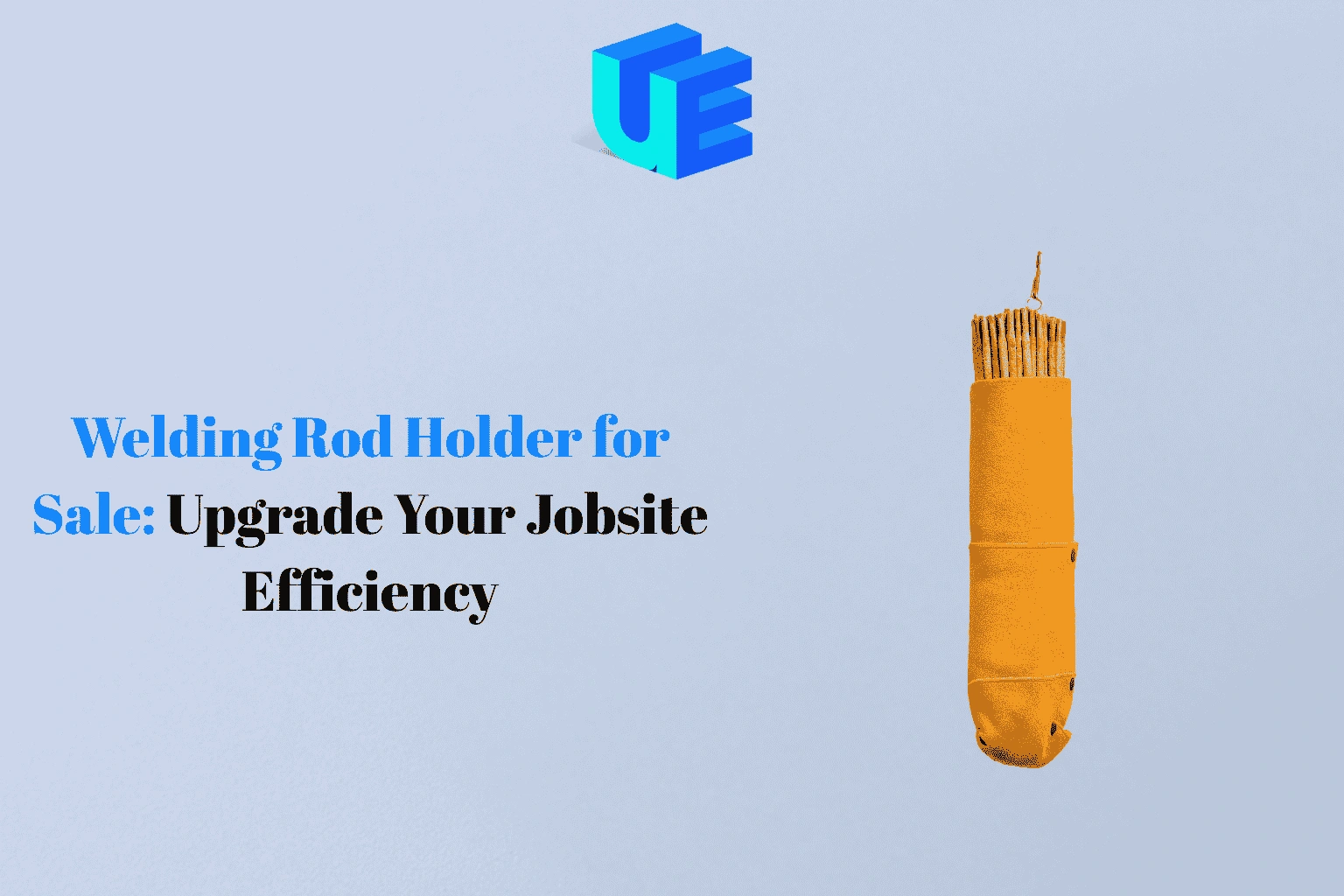
If you’re searching for a welding rod holder for sale, chances are you’re not just looking for a pouch you’re looking for a way to work faster, safer, and more efficiently on the jobsite. In real-world welding environments, small tools often make a measurable difference in productivity. A reliable rod holder is one of them.
Whether you’re a structural welder, pipe welder, fabrication specialist, or maintenance technician, keeping electrodes organized and within reach directly impacts your workflow. This guide breaks down what to look for, what mistakes to avoid, and how the right welding rod holder fits into a complete safety apparel system.
Why a Welding Rod Holder Matters More Than You Think
Many welders start out improvising—tucking rods into pockets or placing them on nearby surfaces. That might work short term, but it creates problems:
- Lost time retrieving electrodes
- Increased contamination from dirt and moisture
- Higher risk of sparks contacting clothing
- Reduced efficiency during repetitive weld cycles
Over time, these small inefficiencies add up.
In professional settings, especially on large-scale construction or industrial projects, organization is part of safety and productivity. A proper welding rod holder eliminates unnecessary movement and keeps your materials controlled and accessible.
What Is a Welding Rod Holder?
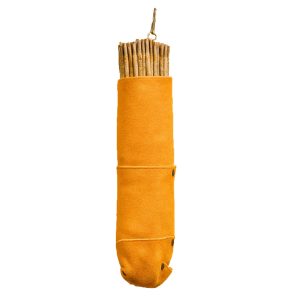
A welding rod holder (the wearable type, not the stinger clamp) is a pouch designed to carry stick electrodes during Shielded Metal Arc Welding (SMAW).
Its purpose is simple:
- Hold rods securely
- Protect them from debris
- Keep them accessible
- Reduce downtime
When constructed from durable materials like cow split leather, it also adds an extra layer of spark resistance.
Why Leather Is the Industry Standard
You’ll find different materials on the market, but experienced welders overwhelmingly prefer leather—particularly cow split leather.
Why COW SPLIT LEATHER WELDING ROD HOLDER Designs Stand Out
Cow split leather is commonly used in welding PPE for a reason:
- Naturally resistant to sparks and slag
- Thick and abrasion-resistant
- Durable under daily use
- Flexible enough for comfort
Synthetic or canvas alternatives may cost less upfront, but they typically:
- Burn or melt under high spatter
- Tear at stress points
- Degrade faster in industrial settings
From firsthand observation on active job sites, leather consistently outperforms fabric options in both longevity and safety.
How a Rod Holder Improves Jobsite Efficiency
- Reduces Downtime
Walking back to retrieve rods interrupts workflow. Keeping them at your hip:
- Maintains weld rhythm
- Minimizes repositioning
- Keeps focus on the task
- Supports Safer Movement
Loose rods placed on scaffolding or uneven surfaces can create tripping hazards. A secure pouch reduces clutter.
- Encourages Better Rod Handling
Electrodes stored in dirty environments risk contamination. A dedicated holder keeps them elevated and cleaner during active work.
Integration with Safety Apparel
A welding rod holder is not a standalone accessory—it’s part of a broader safety apparel system.
On professional jobsites, PPE typically includes:
- Welding helmet
- Flame-resistant jacket
- Leather gloves
- Steel-toe boots
- Weld protection gaiters
- Leather rod holder
Each component addresses a specific risk. The rod holder protects the lower torso and upper thigh area from sparks while improving rod management.
If you’re reviewing your overall protective setup, UNIQENT’s guide on Safety Gear provides a helpful overview of modern safety standards and how different gear components work together.
Key Features to Look For When Evaluating a Welding Rod Holder for Sale
Not all holders are constructed equally. Here’s what professionals evaluate:
- Leather Thickness
Heavier leather offers better spark resistance and durability.
- Reinforced Stitching
Look for:
- Double stitching
- Heavy-duty thread
- Reinforced seams
Stitching failure is one of the most common wear issues.
- Secure Belt Attachment
Weak belt loops or poor rivets lead to premature failure. Stress points must be reinforced.
- Rod Length Compatibility
Standard electrodes are typically 14 inches. Make sure the pouch depth accommodates your preferred rod length.
- Drainage and Debris Clearance
Open-bottom or slightly vented designs allow slag and dust to fall out rather than accumulate.
Common Buying Mistakes
Choosing Based Only on Price
Budget options may look similar but often use thinner leather or weaker stitching.
Ignoring Work Environment
Heavy spatter environments demand thicker material. Light-duty shop welding may allow for more flexibility.
Overloading the Holder
Stuffing too many rods increases seam stress and reduces lifespan.
Treating It as Long-Term Storage
A holder is for active use—not moisture-controlled storage. Rod ovens still matter.
Real-World Use Cases
Structural Steel Welding
In high-rise construction, constant climbing and repositioning makes accessibility essential. A rod holder keeps electrodes secure without juggling containers.
Pipeline Projects
Outdoor conditions mean dirt, mud, and uneven terrain. Keeping rods elevated reduces contamination risk.
Fabrication Shops
In repetitive production welding, minimizing steps between rods improves output consistency.
Limitations to Be Aware Of
While useful, a rod holder does not:
- Prevent rod moisture absorption long term
- Replace rod ovens
- Eliminate the need for proper PPE
It enhances workflow and safety—but it’s part of a system.
Practical Maintenance Tips
To extend lifespan:
- Shake out debris daily
- Wipe down leather periodically
- Store in a dry area
- Inspect stitching monthly
Leather is durable but benefits from basic care.
Field Testimonials
I didn’t think much about it until I switched to leather. It cut down my walking time more than I expected. — Aaron M., Structural Welder
The cow split leather version lasts way longer than canvas. Mine’s been through two big projects already. — Luis C., Pipe Welder
It’s part of my regular safety apparel now. I wouldn’t weld without it. — Dana K., Maintenance Technician
How UNIQENT Approaches Industrial Gear
At UNIQENT, there’s a clear focus on practical industrial protection—not trends or gimmicks. That means evaluating materials, durability, and jobsite performance rather than appearance alone.
Industrial professionals don’t need flashy features—they need reliable equipment that holds up under pressure. That’s especially true for everyday gear like welding rod holders.
FAQ:
What does a welding rod holder do?
It stores stick electrodes securely at your waist, improving efficiency and reducing downtime during welding.
Is leather better than fabric?
Yes. Leather resists sparks and abrasion far better than synthetic materials.
How many rods should I carry?
Carry only what you need for the immediate task to reduce stress on seams and improve balance.
Does it replace a rod oven?
No. It’s for active work use only. Proper storage still requires controlled environments.
Is it considered safety gear?
Yes. While primarily a tool accessory, it contributes to spark protection and organization within a full PPE setup.
The Bottom Line: Small Tool, Big Efficiency Gain
Searching for a welding rod holder for sale isn’t just about buying another accessory—it’s about refining your workflow. In professional welding environments, time, safety, and organization directly affect job quality and output.
A durable leather holder:
- Improves accessibility
- Supports better safety practices
- Reduces wasted movement
- Withstands tough jobsite conditions
It’s one of those tools you may not fully appreciate until you’ve worked without it.
In the field, efficiency isn’t about rushing—it’s about removing friction. And that’s exactly what a well-built rod holder helps you do.
About the Author
Unique Enterprises Editorial Team
The Unique Enterprises team collaborates with welders, safety managers, and industrial professionals to understand real jobsite conditions. With hands-on experience in safety apparel and protective equipment, the team focuses on practical guidance rooted in field application. The goal is simple: provide clear, reliable information that helps professionals work safer and smarter.