

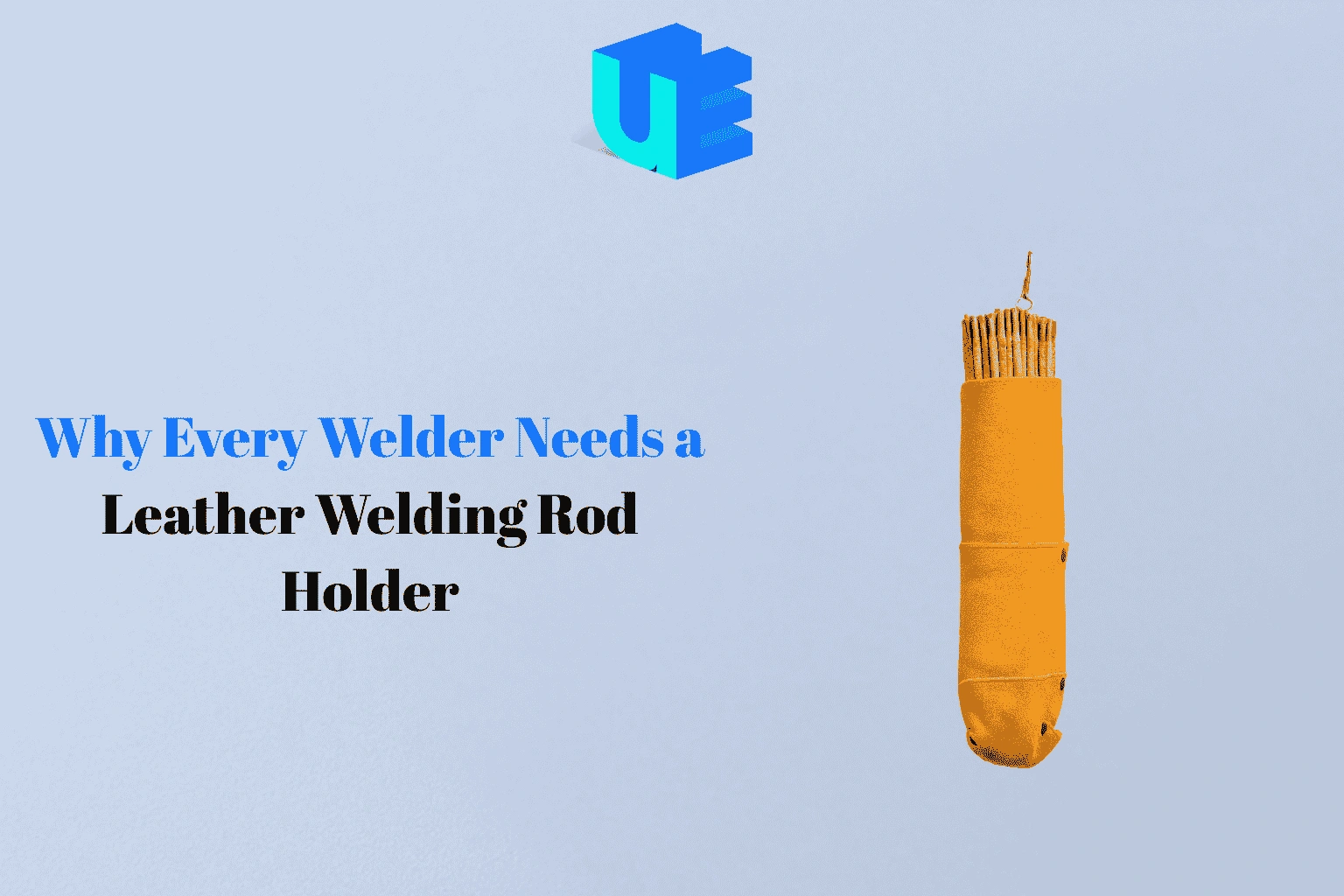
In any welding environment whether it’s a fabrication shop, pipeline site, or structural steel project organization and safety go hand in hand. A leather welding rod holder might seem like a small accessory compared to machines and PPE, but in real-world conditions, it plays a critical role in efficiency, rod protection, and jobsite safety.
Welders who’ve spent years in the field understand that productivity isn’t just about arc time. It’s about minimizing downtime, preventing contamination, and keeping tools exactly where you need them. A properly designed rod holder made from durable leather helps accomplish all of that while also protecting you from sparks and heat.
In this guide, we’ll break down what a leather welding rod holder does, why it matters, what professionals often get wrong when choosing one, and how it fits into a complete safety apparel system.
What Is a Leather Welding Rod Holder?
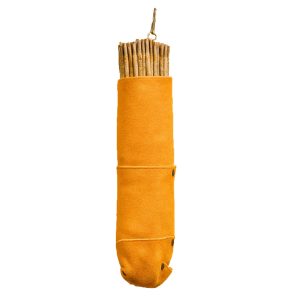
A welding rod holder (in this context) is a wearable storage pouch designed to carry stick electrodes securely and accessibly during SMAW (Shielded Metal Arc Welding).
When made from leather particularly heavy-duty cow split leather—it offers:
- Heat resistance
- Spark protection
- Abrasion durability
- Long service life
Unlike makeshift rod containers or fabric pouches, a properly built COW SPLIT LEATHER WELDING ROD HOLDER withstands the realities of slag, spatter, and sharp rod ends without breaking down prematurely.
Why Organization Matters in Welding
Many newer welders underestimate how much time is lost walking back and forth to retrieve rods. On large job sites, this can add up quickly.
Real-World Impact
In pipeline or structural projects:
- A welder may burn through multiple rods per hour.
- Frequent trips to retrieve electrodes reduce efficiency.
- Improperly stored rods can absorb moisture or become contaminated.
A dedicated leather holder keeps rods:
- Clean
- Close at hand
- Protected from dirt and debris
- Shielded from sparks
Efficiency improves—not because you’re working faster, but because you’re working smarter.
Key Benefits of a Leather Welding Rod Holder
- Heat and Spark Resistance
Leather, particularly cow split leather, is naturally resistant to sparks and moderate heat. Unlike nylon or canvas pouches, it won’t melt when exposed to flying slag.
This matters more than people realize. Melted synthetic fabric can:
- Damage rods
- Create fire hazards
- Compromise PPE integrity
- Durability in Harsh Conditions
Welding environments aren’t gentle. Rod tips are sharp. Surfaces are abrasive. Weather is unpredictable.
A high-quality leather rod holder:
- Resists tearing
- Maintains shape over time
- Handles rough treatment
From experience, cheap alternatives often fail at stress points—usually at seams or belt loops.
- Improved Workflow and Reduced Fatigue
Constant bending or walking to retrieve rods adds physical strain.
Having rods accessible at waist height:
- Reduces unnecessary movement
- Keeps your focus on the weld
- Maintains workflow rhythm
In repetitive industrial welding, small ergonomic improvements make a noticeable difference over long shifts.
- Enhanced Safety
A leather rod holder contributes to a broader safety apparel system.
When paired with:
- Welding jackets
- Gloves
- Weld protection gaiters
- Flame-resistant pants
It helps reduce exposure to sparks and hot debris around the waist and upper leg area.
For a broader look at protective equipment standards and prevention strategies, UNIQENT offers useful guidance on Safety Gear that aligns with evolving industry safety requirements.
Why Cow Split Leather Makes a Difference
Not all leather is equal.
What Is Cow Split Leather?
Cow split leather is derived from the lower layer of the hide after the top grain has been separated. It’s:
- Thicker
- Rougher in texture
- Highly durable
- Cost-effective for industrial PPE
In welding applications, cow split leather is widely used because it balances durability and heat resistance without becoming overly stiff.
A properly constructed COW SPLIT LEATHER WELDING ROD HOLDER will typically feature:
- Reinforced stitching
- Riveted stress points
- Secure belt attachment
Practical Buying Considerations
Before choosing a leather welding rod holder, consider the following:
Rod Size Compatibility
Ensure the pouch accommodates the electrode length you commonly use (e.g., 14-inch rods).
Belt Attachment
Look for:
- Wide belt loops
- Reinforced attachment points
- Secure snap or rivet systems
Weak attachment points are one of the most common failure areas.
Stitching Quality
Heavy-duty thread and double stitching significantly extend lifespan.
Moisture Exposure
If you’re working in humid or outdoor environments, proper rod storage procedures still matter. The holder is for convenience not long-term moisture protection.
Common Mistakes Welders Make
- Using Fabric or Canvas Pouches
Canvas may be cheaper, but it:
- Burns more easily
- Wears down faster
- Offers less heat resistance
In high-spatter environments, this can quickly become a liability.
- Overloading the Holder
Stuffing too many rods into a pouch:
- Stresses seams
- Causes uneven weight distribution
- Leads to premature wear
Moderation extends product life.
- Ignoring Overall PPE Coordination
A rod holder is not standalone protection.
It should work in combination with:
- Flame-resistant jackets
- Gloves
- Helmets
- Weld protection gaiters
Overlooking one piece of the system creates gaps in safety coverage.
How It Fits Into a Complete Safety Apparel Setup
In professional welding operations, PPE is layered for maximum protection.
Typical Setup:
- Welding helmet
- Leather gloves
- FR jacket
- Leather rod holder
- Weld protection gaiters
- Steel-toe boots
Each component addresses a specific risk. The rod holder prevents sparks from landing on synthetic fabrics and keeps rods accessible without creating trip hazards.
Real-World Use Cases
Structural Steel Fabrication
In a fabrication shop, welders frequently move between joints. Having rods at the hip allows continuous work without leaving position.
Pipeline Welding
On outdoor jobs, terrain can be uneven. Carrying rods securely reduces dropped electrodes and contamination from dirt.
Maintenance Welding
In plant maintenance, mobility is essential. A leather holder allows technicians to navigate tight spaces without carrying bulky containers.
Testimonials from the Field
I used to toss rods into my jacket pocket. After one small burn incident, I switched to leather. It’s a simple change that makes a big difference. — Mike T., Structural Welder
The cow split leather version holds up way better than canvas. I’ve been using the same one for over a year. — Carlos R., Fabrication Shop Supervisor
It’s one of those pieces of safety apparel you don’t think about—until you work without it. — Jenna L., Industrial Maintenance Welder
Expert Tips for Long-Term Use
- Shake out slag and debris daily
- Store in a dry location
- Avoid prolonged soaking
- Inspect stitching periodically
Leather lasts longer when maintained properly. While it’s rugged, neglect shortens lifespan.
Limitations to Be Aware Of
No tool is perfect.
A leather rod holder:
- Does not prevent rod moisture absorption
- Does not replace proper rod ovens or storage systems
- Requires occasional inspection
It’s a convenience and safety enhancement—not a substitute for welding best practices.
FAQ:
What is the purpose of a welding rod holder pouch?
It keeps electrodes accessible, organized, and protected from debris while improving workflow efficiency.
Why choose leather over fabric?
Leather resists sparks, heat, and abrasion far better than synthetic materials.
Is cow split leather durable enough for daily use?
Yes. It’s commonly used in welding PPE because it withstands heavy wear and heat exposure.
Can it replace proper rod storage?
No. It’s for short-term carrying during active welding—not long-term moisture control.
Does it count as safety apparel?
Yes. While it’s a storage accessory, it also contributes to spark and heat protection.
The Bigger Picture: Small Gear, Serious Impact
In welding, performance and safety often hinge on small details. A leather welding rod holder might not be the most expensive piece of equipment you own—but it directly affects:
- Efficiency
- Safety
- Comfort
- Organization
From years of observing job sites and speaking with experienced welders, one pattern is clear: professionals invest in tools that reduce friction in their workflow. A durable leather holder does exactly that.
As part of a well-rounded safety apparel setup, it’s not an upgrade—it’s a practical necessity.
About the Author
Unique Enterprises Editorial Team
The Unique Enterprises team works closely with industrial professionals, safety officers, and tradespeople to understand real-world jobsite conditions. With hands-on experience in protective equipment and industrial safety solutions, the team focuses on practical guidance rooted in field use not theory. Their goal is simple: help professionals make informed decisions that improve both safety and performance.