

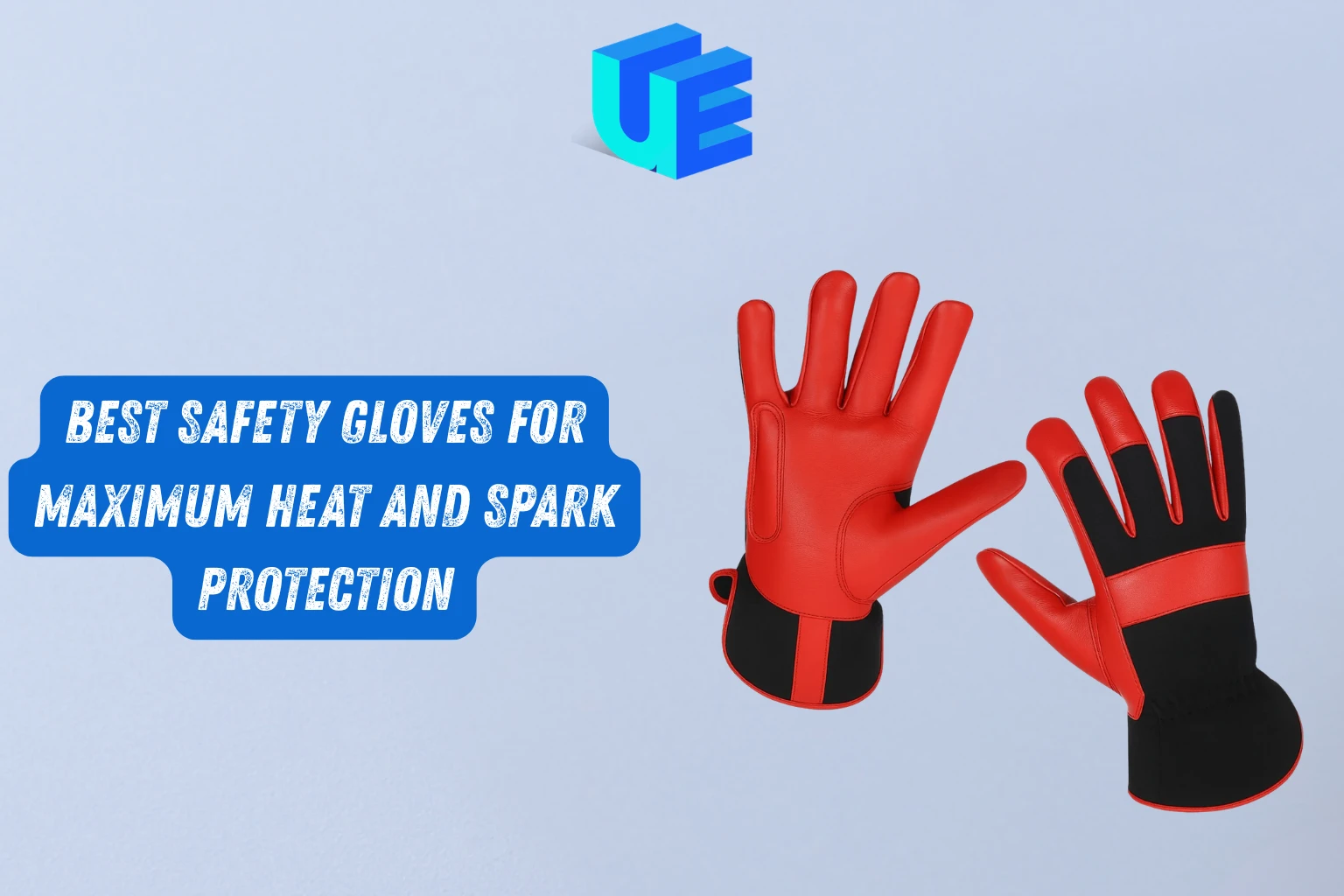
Safety Gloves are essential protective gear designed to shield hands from heat, sparks, cuts, and abrasions during welding and industrial work. Choosing the right Safety Gloves improves safety, comfort, and productivity while reducing workplace injuries.
One flying spark or a split-second contact with hot metal can end a workday in pain. Experienced welders know that quality hand protection isn’t just equipment—it’s an investment in safety, productivity, and peace of mind.
Why Quality Safety Gloves Matter in Welding and Industrial Work
In Pakistan’s welding workshops, fabrication facilities, construction sites, and manufacturing plants, hands are exposed to intense heat, sharp edges, molten metal, and constant abrasion.
Many workers focus on helmets and jackets but underestimate hand protection. From years of industry experience, one lesson stands out: injuries to hands are among the most common and most preventable.
Premium Safety Gloves help professionals:
- Resist sparks and heat
- Improve grip and dexterity
- Prevent cuts and abrasions
- Reduce hand fatigue
- Increase productivity
- Lower replacement costs
Understanding Different Types of Safety Gloves
Different jobs require different levels of protection.
Welding Safety Gloves
Professional welding safety gloves are built for high temperatures, molten metal splashes, and sparks.
Common applications include:
- MIG welding
- Stick welding
- Heavy fabrication
- Structural steel work
Cut Resistant Safety Gloves
Sheet metal and fabrication workers often rely on cut resistant safety gloves to reduce injuries from sharp edges.
Ideal for:
- Metal handling
- Glass industries
- Manufacturing plants
- Automotive assembly
Industrial Safety Gloves
Heavy-duty industrial safety gloves are designed for demanding environments where durability and protection are equally important.
Used in:
- Construction
- Oil and gas
- Engineering workshops
- Heavy machinery maintenance
Leather Safety Gloves
Many professionals still prefer leather safety gloves because leather naturally provides excellent heat resistance and durability.
Why Leather Gloves Remain the Preferred Choice
Despite newer synthetic materials, genuine leather gloves continue to dominate welding applications.
Benefits include:
- Superior heat resistance
- Better abrasion protection
- Excellent flexibility
- Long service life
- Comfortable fit after break-in
Explore premium Leather Gloves from Uniqent for reliable hand protection in demanding work environments.
Materials and Thickness: What Really Matters?
One mistake many buyers make is focusing only on price.
Professionals evaluate:
Cowhide Leather
- Durable
- Heat-resistant
- Ideal for heavy welding
Goatskin Leather
- Softer
- Flexible
- Better dexterity
Split Leather
- Excellent spark resistance
- Common in heavy-duty welding gloves
Cotton Lining
Enhances:
- Sweat absorption
- Comfort
- Heat insulation
For light-duty applications, cotton canvas gloves provide breathability and flexibility while offering basic hand protection.
Safety Gloves Performance Factors Professionals Consider
Experienced welders look beyond appearance.
Important performance factors include:
Heat Resistance
Quality gloves withstand continuous exposure to sparks and hot surfaces.
Grip
Textured palms improve handling of rods, torches, and tools.
Stitching Quality
Kevlar stitching increases lifespan under extreme temperatures.
Dexterity
Precision tasks require flexibility without compromising protection.
Reinforcement Areas
Extra leather layers in high-wear zones extend glove life.
Real Workshop Experience: Why Cheap Gloves Cost More
A fabrication shop in Karachi switched from inexpensive imported gloves to premium Uniqent Safety Gloves.
Initially, management focused on cost savings. However, workers reported:
- Better comfort
- Fewer replacements
- Improved grip
- Reduced hand burns
Within months, overall glove expenses dropped because replacement frequency decreased significantly.
This is why experienced professionals evaluate cost over the entire lifespan rather than upfront price.
Safety Gloves Comparison: Leather vs Synthetic Gloves
| Feature | Leather Gloves | Synthetic Gloves |
|---|---|---|
| Heat Resistance | Excellent | Moderate |
| Spark Protection | Excellent | Good |
| Durability | High | Medium |
| Flexibility | Good | Excellent |
| Lifespan | Long | Moderate |
| Welding Applications | Ideal | Limited |
| Cost Value | Better Long-Term | Lower Initial Cost |
Winner for Welding Applications
Leather gloves remain the preferred choice because they provide better protection and longer service life.
Pros and Cons of Leather Safety Gloves
Advantages
- Excellent heat resistance
- Durable construction
- Better spark protection
- Long lifespan
- Comfortable after break-in
Limitations
- Slightly heavier
- Require maintenance
- Premium models cost more initially
However, from a long-term perspective, quality leather gloves provide better value.
Specialized Protection for Impact Hazards
Workers handling heavy tools or machinery often face impact injuries.
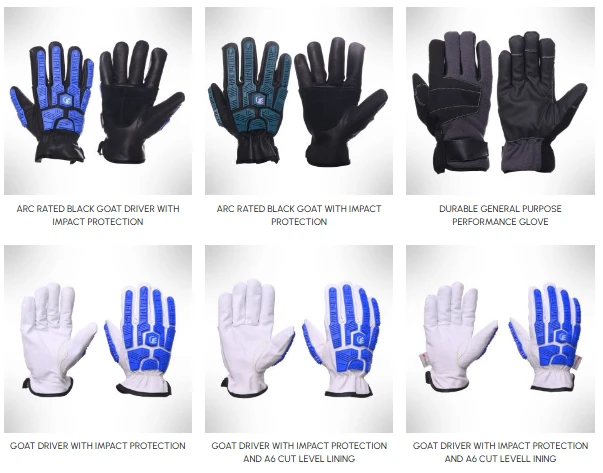
Professional IMPACT PROTECTION GLOVES provide additional knuckle and finger protection.
Recommended for:
- Oil and gas industries
- Construction
- Heavy equipment maintenance
- Rigging operations
Palm Reinforcement Makes a Big Difference
Experienced welders know that palm wear is usually the first sign of glove failure.
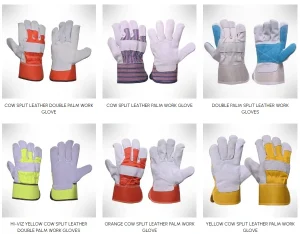
High-quality LEATHER PALMS offer:
- Better grip
- Increased durability
- Extra abrasion resistance
- Longer glove life
This feature is especially valuable during grinding and material handling.
TIG Welding Requires Different Gloves
TIG welding demands precision.
Heavy gloves may restrict movement and affect weld quality.
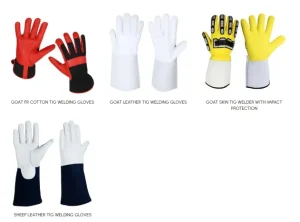
Professional TIG WELDING GLOVES provide:
- Better finger sensitivity
- Flexibility
- Heat resistance
- Comfortable fit
These gloves allow welders to maintain precision without sacrificing protection.
Expert Tips Most Buyers Overlook
After years of working with welding professionals, one thing becomes clear: glove sizing matters more than people realize.
Buy Slightly Snug Gloves
Loose gloves reduce control and increase fatigue.
Check Stitching Quality
Kevlar thread significantly extends glove lifespan.
Rotate Multiple Pairs
Using two pairs alternately prevents excessive wear.
Avoid Wet Storage
Moisture damages leather and causes stiffness.
Inspect Gloves Weekly
Small tears become major failures quickly.
How Long Do Safety Gloves Last?
Lifespan depends on usage intensity.
| Usage Level | Expected Lifespan |
|---|---|
| Light-duty work | 6–12 months |
| Moderate welding | 3–6 months |
| Heavy fabrication | 1–3 months |
Premium gloves generally outlast cheaper alternatives by a considerable margin.
Maintenance Tips to Extend Glove Life
Keep Gloves Dry
Avoid storing damp gloves.
Brush Off Metal Dust
Accumulated debris causes premature wear.
Avoid Direct Sunlight
Excessive heat dries out leather.
Replace Damaged Gloves Immediately
Small burns or holes compromise safety.
Common Mistakes Workers Make
- Buying Based Only on Price
- Ignoring Proper Size
- Using One Pair for Every Task
- Delaying Replacement
- Choosing Style Over Protection
Cost vs Value Analysis
Many buyers ask:
Should I spend more on premium gloves?
The answer is usually yes.
Premium Safety Gloves provide:
- Better durability
- Fewer replacements
- Reduced downtime
- Enhanced worker safety
- Improved productivity
Lower replacement frequency often makes premium gloves cheaper over time.
Why Professionals Trust Uniqent
Uniqent understands the needs of welders and industrial workers across Pakistan.
Their gloves are engineered for:
- Heat resistance
- Durability
- Comfort
- Reliable grip
- Long-term performance
Whether you’re working in fabrication, construction, engineering, or heavy manufacturing, choosing dependable hand protection can significantly improve safety and efficiency.
What Customers Say
Michael Thompson – Fabrication Supervisor
After switching to Uniqent Safety Gloves, our workers noticed improved grip and comfort. We also reduced glove replacement costs.
Daniel Carter – Welding Contractor
The heat resistance is excellent. Sparks don’t damage these gloves like cheaper options.
James Wilson – Workshop Owner
Uniqent gloves have become standard equipment in our shop because they simply last longer.
People Also Asked
Which Safety Gloves are best for welding?
Leather welding gloves with heat-resistant stitching provide the best protection against sparks and molten metal.
How long do welding gloves last?
Quality gloves can last from one to six months depending on usage intensity and maintenance.
Are leather gloves better than synthetic gloves?
For welding applications, leather gloves provide superior heat resistance and durability.
Can Safety Gloves prevent cuts?
Yes. Cut-resistant gloves reduce injuries from sharp edges and metal sheets.
Why do professional welders prefer leather gloves?
Leather offers better spark resistance, comfort, and long-term durability than most synthetic materials.
Final Thoughts
Choosing the right Safety Gloves is more than a purchase—it’s an investment in safety, productivity, and long-term value. Whether you work in welding, fabrication, manufacturing, or construction, reliable hand protection can make a huge difference in performance and injury prevention.
For premium-quality protective solutions trusted by professionals across Pakistan, explore Uniqent and discover gloves built to withstand heat, sparks, and demanding industrial environments.
Author Bio
About Uniqent
Uniqent is a trusted manufacturer and supplier of premium welding gloves, industrial safety gear, workwear, and protective equipment. Serving customers across Pakistan and international markets, Uniqent focuses on durability, craftsmanship, and workplace safety. With years of experience in protective products, the company delivers solutions designed for welders, fabricators, construction professionals, and industrial workers who demand reliable performance every day.