

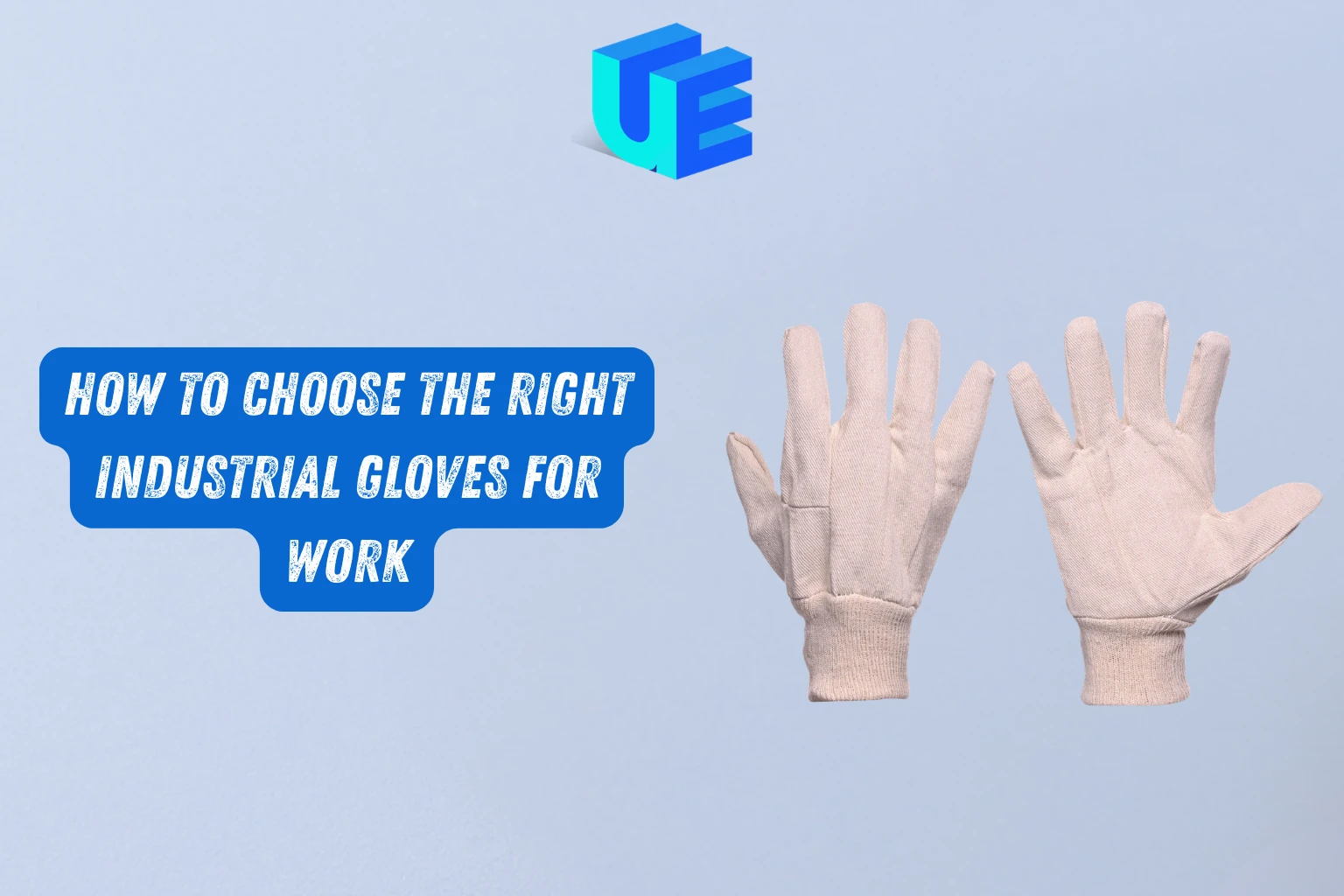
Industrial Gloves are specialized protective handwear designed to safeguard workers from cuts, abrasions, heat, chemicals, and impact injuries. Selecting the right Industrial Gloves improves safety, comfort, and productivity while minimizing workplace risks.
A simple glove choice can make the difference between a productive day and a serious hand injury. Many workers focus only on price, but experienced safety professionals know that choosing the right Industrial Gloves affects comfort, efficiency, and long-term costs. Whether you’re managing a factory in Karachi, running a construction site in Lahore, or handling welding tasks in Faisalabad, understanding glove selection is essential.
Why Choosing the Right Industrial Gloves Matters
Hands are among the most frequently injured body parts in industrial environments. Sharp edges, rough surfaces, heat, chemicals, and heavy tools expose workers to daily risks.
Proper gloves provide:
- Better grip and control
- Reduced hand fatigue
- Protection against injuries
- Increased worker confidence
- Lower replacement costs
- Improved productivity
At Uniqent, years of experience serving Pakistan’s industries have shown that investing in quality hand protection delivers better value than repeatedly replacing low-cost alternatives.
Understanding Workplace Hazards
Before buying gloves, identify the specific hazards workers face.
Mechanical Hazards
These include:
- Cuts
- Abrasions
- Punctures
- Scrapes
Construction workers and fabricators generally require heavy duty industrial gloves capable of handling rough environments.
Heat Hazards
Welders and metalworkers frequently deal with sparks and high temperatures. Leather gloves are often preferred due to their excellent heat resistance.
Chemical Hazards
Cleaning crews and industrial operators working with liquids require protection from chemicals and moisture. In these environments, waterproof industrial gloves help prevent skin exposure and maintain grip.
Impact Hazards
Heavy equipment operators and oilfield workers are vulnerable to crushing injuries and accidental impacts.
Understanding Different Glove Materials
The material used in Industrial Gloves determines their performance, durability, and comfort.
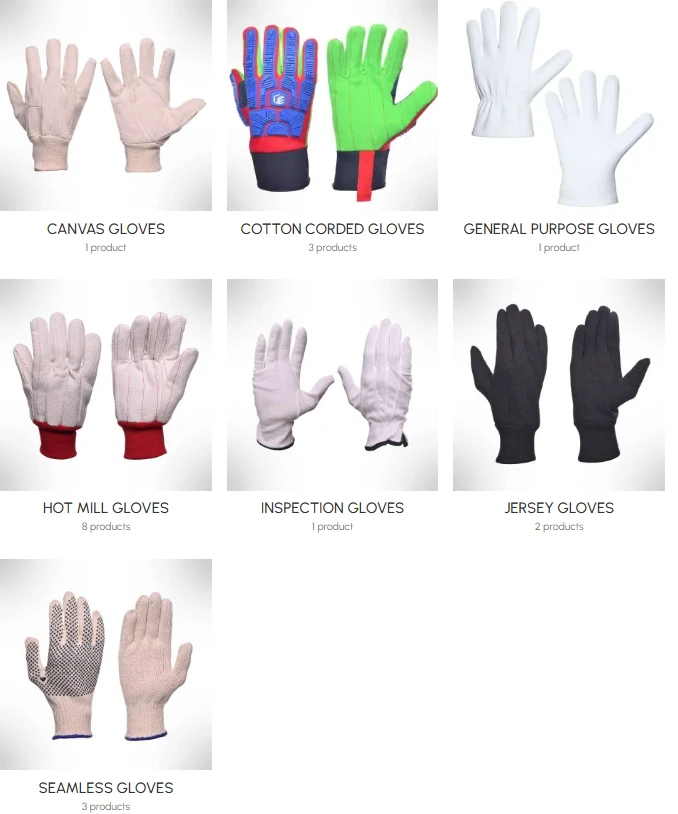
Cotton Gloves
Cotton gloves provide comfort and breathability. They’re ideal for light-duty applications and inspection work.
Advantages:
- Lightweight
- Comfortable
- Affordable
- Breathable
Limitations:
- Low cut resistance
- Unsuitable for high temperatures
Workers involved in packaging and quality control can explore Cotton Gloves.
Leather Gloves
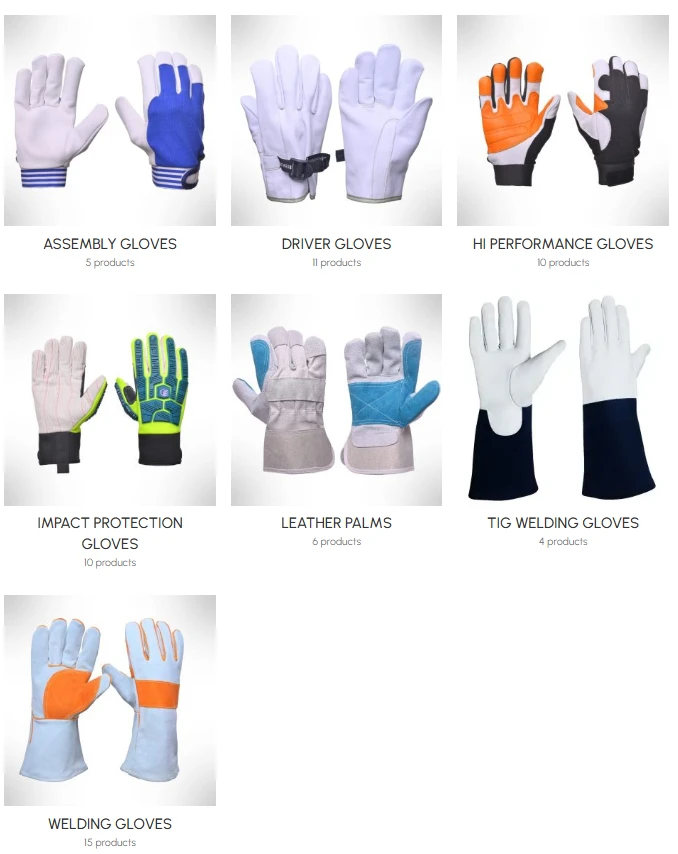
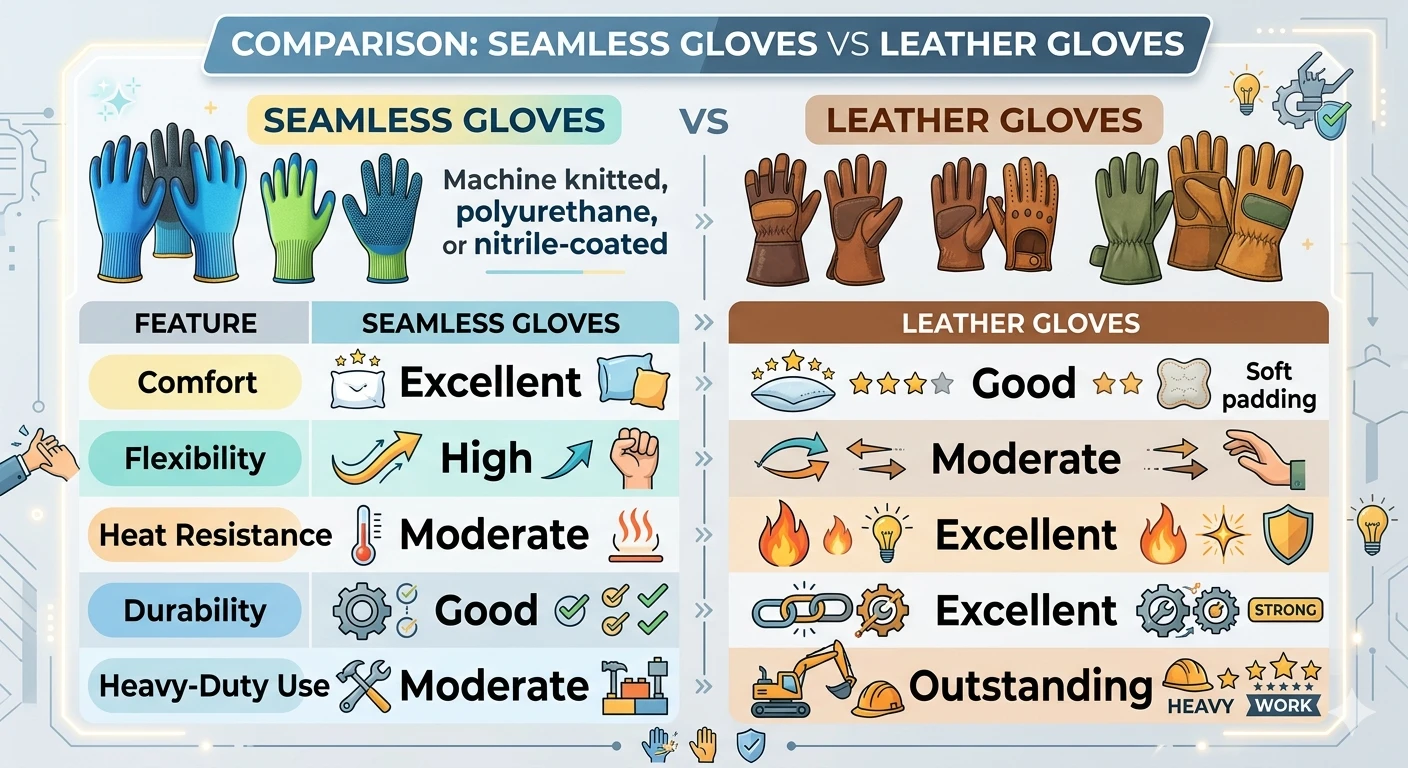
Leather remains one of the most reliable materials for demanding environments.
Advantages:
- Excellent durability
- Heat resistance
- Superior abrasion protection
- Long lifespan
Limitations:
- Slightly heavier
- Reduced dexterity compared to knit gloves
Professionals in welding and construction often rely on Leather Gloves for maximum protection.
Seamless Knit Gloves
These gloves provide flexibility and precision.
Advantages:
- Excellent dexterity
- Comfortable fit
- Reduced hand fatigue
Limitations:
- Moderate heat resistance
Assembly line workers and technicians frequently choose Seamless Gloves for detailed work.
Thickness Matters More Than Most People Think
Many buyers believe thicker gloves automatically mean better protection.
In reality, the right thickness depends on the job.
Thin Gloves
Suitable for:
- Inspection
- Electronics
- Packaging
Medium Thickness Gloves
Ideal for:
- Warehouses
- Maintenance work
- Manufacturing
Thick Gloves
Best suited for:
- Welding
- Construction
- Heavy machinery
The best industrial gloves strike a balance between protection and dexterity.
Impact Protection Is Often Overlooked
Many hand injuries occur because workers underestimate impact risks.
Traditional gloves protect against abrasion but offer little shock absorption.
For industries such as:
- Mining
- Construction
- Oil and gas
- Heavy equipment operations
Using Impact Protection Gloves significantly reduces the risk of finger and knuckle injuries.
Real-World Experience
A contractor in Karachi switched his workers from standard gloves to impact-resistant models after multiple minor hand injuries. Within months, incident reports declined, and workers reported greater confidence when operating tools.
High-Performance Gloves for Demanding Applications
Modern workplaces demand gloves that combine:
- Grip
- Durability
- Comfort
- Flexibility
Professionals handling machinery and precision equipment often prefer HI Performance Gloves because they improve control without sacrificing protection.
Choosing Gloves by Industry
Construction Industry
Workers face:
- Rough surfaces
- Sharp materials
- Heavy equipment
Recommended:
- Leather Gloves
- Impact Protection Gloves
Welding Industry
Heat and sparks require durable hand protection.
Many welders choose Drivers Glove with Reinforcement because reinforced palms improve durability and extend lifespan.
Manufacturing and Assembly
Comfort and dexterity are priorities.
Recommended:
- Seamless Gloves
- HI Performance Gloves
Quality Control and Inspection
Lightweight options improve precision.
Professionals performing inspections often rely on Inspection Gloves for superior comfort.
Durability Factors Most Buyers Ignore
Glove life depends on more than material.
Surface Conditions
Sharp edges accelerate wear.
Moisture Exposure
Oil and water degrade some materials over time.
Frequency of Use
Daily heavy-duty work demands stronger glove construction.
Storage Conditions
Improper storage reduces lifespan.
Premium gloves usually cost more upfront but deliver better long-term value.
Cost vs Value: Why Cheap Gloves Can Cost More
One mistake many businesses make is focusing only on initial price.
Low-cost gloves often:
- Tear quickly
- Require frequent replacements
- Reduce productivity
- Increase injury risks
Premium Industrial Gloves provide:
- Better durability
- Improved comfort
- Reduced downtime
- Lower long-term costs
From experience, investing in quality gloves often saves companies money over time.
Expert Tips Most Websites Don’t Mention
Buy According to Tasks, Not Departments
A maintenance technician and a welder shouldn’t wear the same gloves.
Different hazards require different solutions.
Proper Fit Matters
Loose gloves reduce control.
Tight gloves increase fatigue and discomfort.
Workers should always choose properly fitted gloves.
Replace Gloves Before Complete Failure
Waiting until gloves tear completely increases injury risks.
Regular inspections are essential.
Train Workers
Even premium gloves won’t provide full protection if workers misuse them.
Common Mistakes to Avoid
- Choosing Based Only on Price
- Ignoring Workplace Hazards
- Buying One Style for Everyone
- Skipping Inspections
Why Pakistan’s Industries Need Reliable Industrial Gloves
Pakistan’s manufacturing, construction, and export sectors continue to expand.
As workplace safety standards improve, demand for quality hand protection grows.
Many businesses searching for industrial gloves manufacturers in pakistan prioritize local suppliers because they offer:
- Faster delivery
- Better support
- Consistent availability
- Products suited to local industries
Uniqent understands these challenges and develops solutions designed specifically for industrial applications.
Maintenance Tips for Longer Glove Life
Safety experts recommend:
- Store gloves away from direct sunlight.
- Keep them dry after use.
- Replace damaged gloves immediately.
- Avoid machine washing leather products.
- Inspect gloves before every shift.
These simple practices extend service life and maintain performance.
What Customers Say
Michael Carter – Factory Supervisor
We replaced cheaper gloves with Uniqent products last year. Workers immediately noticed better comfort and durability. Replacement costs dropped significantly.
David Thompson – Construction Manager
The impact-resistant gloves improved worker confidence and reduced complaints about hand fatigue.
James Wilson – Welding Specialist
The reinforced leather gloves have lasted far longer than standard options. Their grip and heat resistance are impressive.
People Also Ask
What are Industrial Gloves used for?
Industrial Gloves protect workers from cuts, abrasions, heat, chemicals, and impact injuries in demanding environments.
Which material is best for Industrial Gloves?
Leather offers excellent durability and heat resistance, while seamless knit gloves provide comfort and flexibility.
Are waterproof industrial gloves necessary?
Yes. They are ideal for wet conditions and workplaces involving chemicals or liquids.
How often should Industrial Gloves be replaced?
Replace gloves immediately when they show signs of wear, tears, or reduced grip.
What are the best industrial gloves for heavy-duty work?
Leather and impact-resistant gloves are among the best choices for demanding industrial applications.
Conclusion
Choosing the right Industrial Gloves isn’t just about comfort—it’s about protecting workers, improving productivity, and reducing long-term costs. Understanding materials, durability, fit, and workplace hazards helps businesses make smarter investments and create safer environments.
Whether you need Cotton Gloves, Inspection Gloves, Seamless Gloves, Leather Gloves, Impact Protection Gloves, HI Performance Gloves, or Drivers Glove with Reinforcement, Uniqent offers dependable solutions designed for Pakistan’s industrial sector.
Explore Uniqent to discover premium hand protection products built for performance, durability, and safety.
Author Bio
Uniqent is a trusted manufacturer and supplier of premium safety gloves and industrial protective products. With extensive experience serving construction, manufacturing, welding, automotive, and heavy industries, Uniqent is committed to providing high-quality hand protection solutions that enhance safety, comfort, and productivity. Its products are designed to meet the real-world demands of professionals across Pakistan and international markets.