

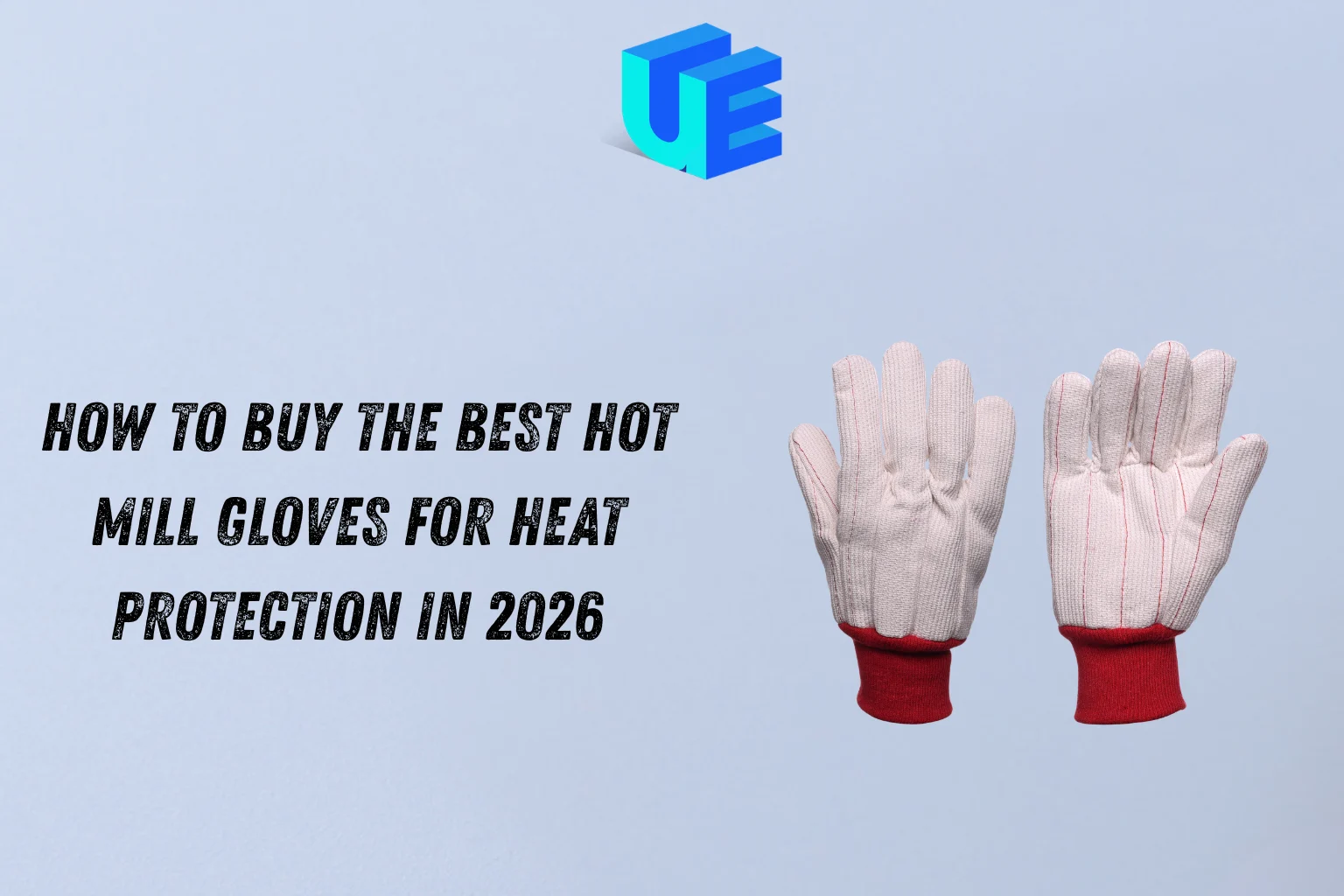
When workers handle hot steel, heated equipment, castings, or industrial materials every day, ordinary hand protection simply does not last. One wrong glove choice can lead to burns, reduced grip, faster wear, and costly downtime. That is exactly why more industries in 2026 are investing in durable, high-performance hot mill gloves designed for real heat protection instead of basic cotton work gloves.
Whether you work in metal fabrication, glass manufacturing, automotive plants, foundries, or warehouse operations, choosing the right heat-resistant gloves can dramatically improve both safety and productivity. However, many buyers still focus only on price and ignore factors like insulation thickness, grip quality, stitching durability, cuff length, and material composition.
In this guide, the safety specialists at Unique Enterprises explain how to buy the best hot mill gloves for industrial heat protection, what features actually matter, and which models deliver the best value for demanding work environments in 2026.
What Are Hot Mill Gloves?
Hot Mill Gloves are heat-resistant industrial safety gloves designed to protect workers from moderate to high temperatures while maintaining grip, flexibility, and durability. They are commonly used in steel mills, foundries, welding shops, automotive plants, and material handling operations involving hot surfaces.
Unlike regular canvas gloves, hot mill gloves use layered cotton fabrics, thermal linings, and reinforced stitching to withstand repeated exposure to heat and abrasion.
Why Buying the Right Hot Mill Gloves Matters
Many workplaces underestimate how quickly heat exposure destroys low-quality gloves. Thin gloves may feel comfortable initially, but they often fail under continuous industrial use.
A properly designed hot mill glove helps the following:
- Reduce burn injuries
- Improve worker confidence
- Increase grip on heated materials
- Lower glove replacement costs
- Enhance productivity during repetitive tasks
At Unique Enterprises, industrial buyers often choose Hot Mill Gloves because they balance comfort, heat resistance, and long-term value better than standard canvas gloves.
Key Factors to Consider Before You Buy Hot Mill Gloves
1. Heat Resistance Level
Not all hot mill gloves offer the same protection.
Some are designed for:
- Intermittent heat exposure
- Medium-temperature handling
- Heavy-duty industrial heat environments
If workers handle heated metal parts continuously, thicker thermal insulation becomes essential.
Expert Tip
A common mistake is buying gloves based only on thickness. Extremely bulky gloves can reduce dexterity and increase hand fatigue during long shifts. The best Hot Mill Gloves balance insulation and flexibility.
2. Material Construction
Material quality directly affects performance and lifespan.
Common materials include:
- Layered cotton
- Terry cloth lining
- Heavy-duty canvas
- Knit wrist closures
- Reinforced palms
High-quality cotton layers trap air better, which improves thermal insulation without making gloves overly stiff.
Canvas Gloves vs Hot Mill Gloves
| Feature | Canvas Gloves | Hot Mill Gloves |
|---|---|---|
| Heat Resistance | Low to Medium | Medium to High |
| Comfort | Lightweight | Cushioned & insulated |
| Durability | Moderate | Heavy-duty |
| Industrial Heat Use | Limited | Excellent |
| Grip on Hot Objects | Basic | Enhanced |
While canvas gloves work well for general handling, Hot Mill Gloves are specifically engineered for heat-intensive industrial applications.
Product Spotlight: Best Hot Mill Gloves in 2026
Hot Mill Gloves 6112
The Hot Mill Gloves 6112 are ideal for medium-heat industrial environments where workers need flexibility and daily comfort.
Best For:
- Warehouse operations
- Automotive plants
- Packaging industries
- General industrial handling
Pros
- Lightweight feel
- Good grip performance
- Comfortable for long shifts
- Affordable replacement cost
Cons
- Not ideal for extreme heat exposure
Hot Mill Gloves 6894
The Hot Mill Gloves 6894 provide stronger insulation and improved durability for demanding environments.
Best For:
- Steel fabrication
- Metal handling
- Foundries
- Heavy manufacturing
Pros
- Better thermal protection
- Reinforced wear areas
- Longer lifespan
- Strong wrist protection
Cons
- Slightly heavier than lighter-duty gloves
Real-World Insight
Many industrial supervisors prefer thicker models like the 6894 for employees handling heated components repeatedly throughout the day because they reduce glove burnout and replacement frequency.
Hot Mill Gloves 6962
The Hot Mill Gloves 6962 are designed for high-performance industrial safety where durability and heat resistance are critical.
Best For:
- High-temperature manufacturing
- Glass handling
- Hot material transport
- Continuous industrial use
Pros
- Excellent heat resistance
- Superior durability
- Strong palm reinforcement
- Better long-term value
Cons
- Higher upfront investment
How Thickness Affects Performance
Thicker gloves usually provide the following:
- Better insulation
- Longer wear life
- Increased abrasion resistance
However, thicker gloves may reduce:
- Finger movement
- Grip precision
- Worker comfort during extended use
Expert Recommendation
For most industrial facilities, medium-thickness Hot Mill Gloves provide the best balance between protection and productivity.
Durability Factors Most Buyers Ignore
Many online guides focus only on heat ratings, but experienced industrial buyers know durability matters just as much.
Important Durability Features
Reinforced Stitching
Weak seams are often the first failure point in industrial gloves.
Palm Reinforcement
Extra reinforcement improves grip and extends lifespan.
Knit Wrist Design
Helps prevent debris and heat particles from entering the glove.
Layer Density
Higher-density cotton layers improve insulation and durability simultaneously.
Maintenance Tips to Extend Glove Lifespan
Proper maintenance can significantly reduce replacement costs.
Best Practices
- Store gloves in dry areas
- Avoid oil saturation
- Inspect seams weekly
- Replace damaged gloves immediately
- Rotate gloves between shifts
Pro Tip
Workers who rotate multiple pairs often get noticeably longer glove life compared to using a single pair continuously.
Common Mistakes When Buying Hot Mill Gloves
- Choosing the Cheapest Option
- Ignoring Heat Exposure Time
- Overlooking Worker Comfort
- Buying One Glove Type for Every Task
Cost vs Value Analysis
The cheapest gloves rarely provide the best long-term value.
| Factor | Cheap Gloves | Premium Hot Mill Gloves |
|---|---|---|
| Initial Cost | Lower | Higher |
| Replacement Frequency | High | Lower |
| Worker Safety | Moderate | Better |
| Durability | Short-term | Long-term |
| Productivity Impact | Inconsistent | Reliable |
In many industrial facilities, investing in better hot mill gloves actually lowers yearly PPE expenses because replacements happen less frequently.
Expert Insights From Industrial Safety Professionals
According to the PPE specialists at Unique Enterprises, one of the biggest shifts in 2026 is that buyers are prioritising worker comfort alongside protection.
Companies now understand that:
- Comfortable workers stay compliant
- Better grip improves efficiency
- Durable gloves reduce downtime
- Proper heat protection lowers injury risks
Another growing trend is choosing gloves tailored to specific tasks instead of using one universal glove for every department.
Customer Testimonials
Michael R. – Texas Manufacturing Supervisor
We switched to Hot Mill Gloves 6894 for our fabrication team, and glove replacement dropped noticeably within the first two months.
Daniel H. – Steel Processing Plant
The 6962 gloves gave our crew much better heat protection without sacrificing grip. Workers immediately noticed the difference.
James W. – Warehouse Operations Manager
For general handling and moderate heat exposure, the 6112 model has been reliable and cost-effective.
Frequently Asked Questions
What are Hot Mill Gloves used for?
Hot Mill Gloves protect workers handling heated materials, metal parts, machinery, and industrial equipment in high-temperature environments.
Are Hot Mill Gloves better than canvas gloves?
Yes. Hot Mill Gloves provide better insulation, durability, and heat resistance compared to standard canvas gloves.
How long do Hot Mill Gloves last?
Lifespan depends on heat exposure, work conditions, and maintenance. High-quality gloves typically last much longer under industrial use.
Which Hot Mill Gloves are best for foundries?
Thicker insulated models like Hot Mill Gloves 6894 or 6962 are often preferred for foundry and heavy manufacturing applications.
Can Hot Mill Gloves improve workplace safety?
Absolutely. Proper heat-resistant gloves help reduce burn injuries, improve grip, and increase worker confidence during hazardous tasks.
Final Thoughts
Buying the best Hot Mill Gloves in 2026 is not just about heat protection anymore. Smart industrial buyers now focus on durability, worker comfort, grip performance, and long-term value.
Whether you need lightweight handling gloves or heavy-duty thermal protection, choosing the right glove can improve workplace safety, reduce replacement costs, and boost operational efficiency.
For businesses looking for dependable industrial safety solutions, Unique Enterprises offers high-quality Hot Mill Gloves designed for real industrial performance.
Author Bio
Written by the Industrial Safety Content Team at Unique Enterprises
The team at Unique Enterprises specializes in industrial PPE, heat-resistant gloves, welding safety gear, and workplace protection solutions for manufacturing, construction, foundry, and industrial sectors across global markets. Their content combines real-world product knowledge, safety insights, and practical buying guidance to help businesses choose reliable protective equipment with confidence.