

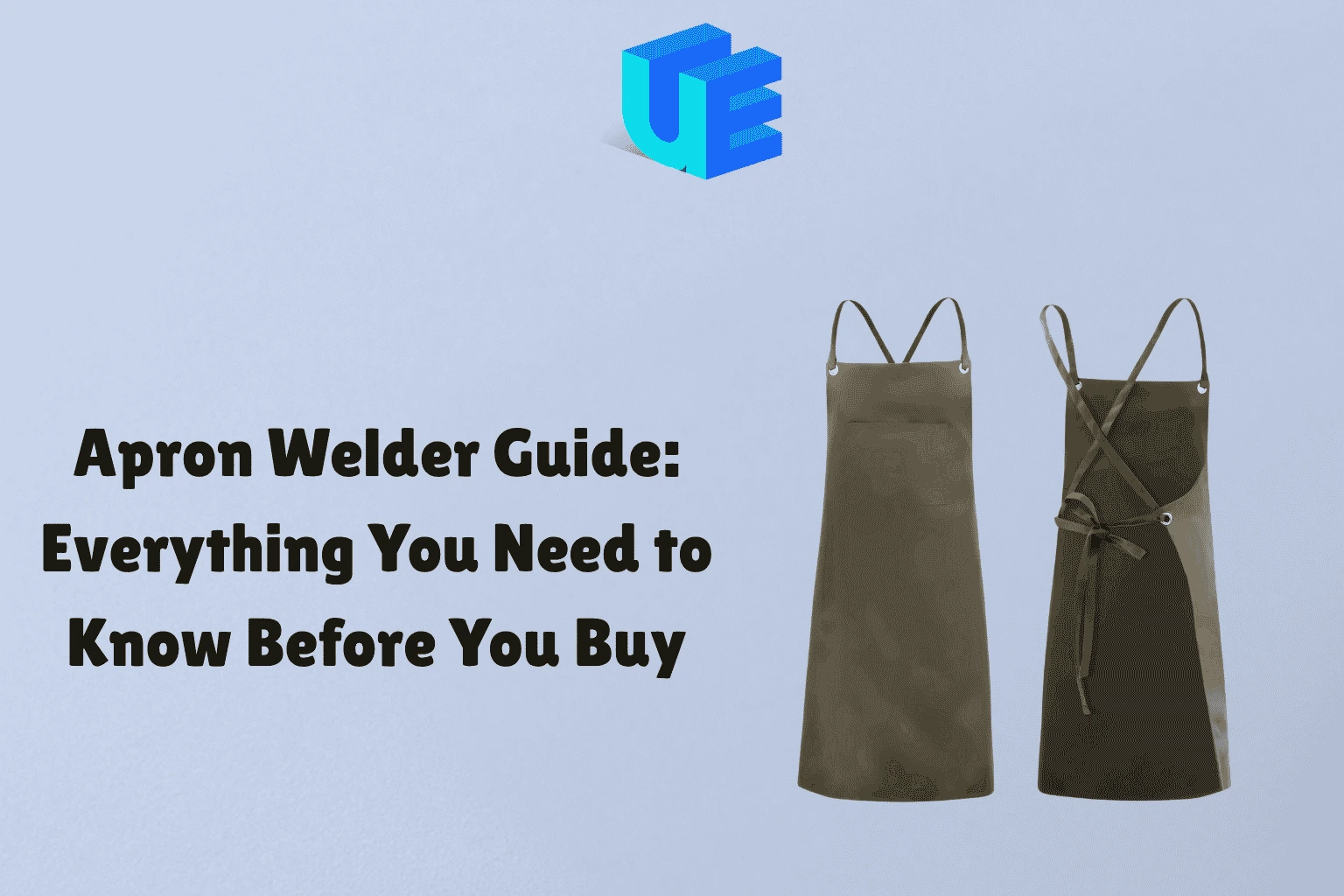
If you spend any time around sparks, molten metal, or grinding debris, choosing the right apron welder setup becomes a critical safety decision not just a gear upgrade. The wrong apron can leave you exposed to burns, restrict your movement, or wear out faster than expected, costing you more in the long run.
This guide is built from real workshop experience and practical use not just product descriptions. You’ll learn how welding aprons work, what materials actually perform under pressure, and how to choose one that fits your work not just your budget.
What Is an Apron Welder?
An apron welder setup refers to the protective apron worn by welders to shield the front of the body from:
- Heat and sparks
- Molten metal splatter
- Flying debris from cutting or grinding
- Abrasion from tools and surfaces
It’s a core part of industrial safety apparel, working alongside gloves, helmets, and flame-resistant clothing to create a complete protective system.
Key Types of Welding Aprons
Not all aprons are built the same. The right choice depends heavily on your type of work.
1. Leather Welding Apron Type
This is the most common and widely trusted option.
Best for:
- Heavy-duty welding (MIG, stick, flux-core)
- High heat environments
Why professionals prefer it:
- Naturally flame-resistant
- Thick enough to block sparks and spatter
- Durable against wear and tear
However, leather aprons can feel heavy, especially during long hours or in hot conditions.
2. Flame-Resistant (FR) Aprons
These are made from treated fabrics designed to resist ignition.
Best for:
- Light to medium welding tasks
- Work environments with moderate heat exposure
Options like FR aprons are lighter and more breathable, making them more comfortable for extended use.
3. Hybrid Aprons
A combination of leather and FR fabric.
Best for:
- Welders who switch between tasks
- Situations requiring both protection and flexibility
Why the Right Welding Safety Apron Matters
- Prevents Direct Burns
Even small sparks can cause serious injury if they land on unprotected skin.
- Protects Your Clothing
Regular workwear isn’t designed for welding. Synthetic fabrics can melt quickly under heat.
- Improves Work Efficiency
When your gear fits properly and protects you well, you spend less time adjusting and more time working.
- Reduces Long-Term Costs
A durable apron saves money by lasting longer and reducing damage to other clothing.
Limitations You Should Be Aware Of
Weight and Heat Retention
Leather aprons provide excellent protection but can feel warm and heavy during long shifts.
Partial Coverage
Aprons protect the front of your body only. You still need gloves, sleeves, and proper footwear.
Maintenance Needs
Leather requires occasional conditioning. FR fabrics need proper care to maintain flame resistance.
Practical Buying Considerations
Choosing the right apron welder setup involves more than just picking a material.
1. Match the Apron to Your Welding Type
- TIG welding: lighter aprons are usually enough
- MIG or stick welding: heavier leather is safer
- Grinding/cutting: focus on abrasion resistance
2. Check Material Quality
If you’re browsing a leather welding apron for sale, pay attention to:
- Thickness (1.2 mm–1.6 mm is common)
- Stitching quality
- Reinforced stress points
Cheap materials often fail under repeated exposure to heat.
3. Fit and Adjustability
A poorly fitting apron creates safety risks.
Look for:
- Adjustable straps
- Balanced weight distribution
- Full torso and upper leg coverage
A good example is the Blue FR Welding Apron with Grommets, which uses reinforced fastening points for a secure and reliable fit.
4. Fastening and Durability
- Riveted or reinforced attachment points
- Quick-release options for emergencies
- Strong buckles or ties
These small details make a big difference in real-world use.
5. Mobility and Comfort
You should be able to:
- Bend
- Reach
- Move freely
A stiff or poorly designed apron can slow you down and increase fatigue.
Common Mistakes to Avoid
Choosing Based on Price Alone
Low-cost aprons often use thinner materials and weaker stitching. They may not hold up under real conditions.
Ignoring Fit and Coverage
An apron that shifts around or doesn’t cover enough area leaves you exposed.
Using the Wrong Material
Fabric aprons in high-heat environments wear out quickly and offer less protection.
Skipping Maintenance
Burn holes, worn straps, and damaged stitching reduce protection over time.
Treating the Apron as Complete Protection
An apron is just one part of your safety system. Pair it with proper gloves and protective clothing.
If you’re upgrading your setup, exploring options like welding gloves for sale ensures full protection.
Expert Tips from the Workshop Floor
Keep a Backup Apron
If you weld regularly, rotating between two aprons helps extend their lifespan and keeps them dry.
Inspect Before Each Use
Check for:
- Burn-through spots
- Loose stitching
- Weak straps
Catching issues early prevents failure during work.
Choose Based on Your Environment
Hot workshop? Go for lighter or hybrid materials.
Heavy fabrication? Stick with thick leather.
Layer Your Protection
A welding safety apron works best when combined with flame-resistant clothing underneath.
Real-World Use Cases
- Fabrication Shops
Heavy-duty welders rely on thick leather aprons to handle constant sparks and heat.
- Maintenance Work
Technicians often prefer lighter aprons for flexibility while still maintaining protection.
- DIY and Hobby Welding
Occasional users benefit from mid-range aprons that balance cost and safety.
- Industrial Settings
Large operations integrate aprons into full industrial safety apparel systems to meet safety standards.
What Real Users Say
I started with a cheap apron, and it didn’t last a month. Switching to leather made a huge difference in both safety and durability.
The adjustable straps are underrated. Once I got a proper fit, everything felt easier and safer.
For quick repair jobs, I use a lighter FR apron. It’s much more comfortable and still protects well.
Frequently Asked Questions
What is the best apron welder setup for beginners?
A mid-weight leather or FR apron with adjustable straps is a good starting point for most beginners.
Is leather better than fabric for welding aprons?
Leather offers better protection for heavy-duty work, while fabric is lighter and more comfortable for light tasks.
How long does a welding safety apron last?
With proper care, a good-quality apron can last several years depending on usage.
Can I wash a welding apron?
FR fabric aprons can be washed carefully. Leather should be cleaned with a damp cloth and conditioned occasionally.
Do I need an apron if I already have protective clothing?
Yes. An apron adds an extra layer of protection, especially against sparks and debris.
Final Thoughts
Choosing the right apron welder setup isn’t complicated—but it does require paying attention to how you actually work. The best apron is one that matches your welding type, fits properly, and holds up under real conditions.
Focus on durability, fit, and protection first. Comfort and convenience come next. When all three align, you get gear that not only keeps you safe but also makes your work easier and more efficient.
About the Author
Unique Enterprises Editorial Team
The Unique Enterprises team works closely with welders, technicians, and safety professionals to understand how protective gear performs in real working environments. Their insights are based on hands-on experience with materials, durability, and day-to-day workshop challenges helping readers choose equipment that delivers reliable protection where it matters most.