

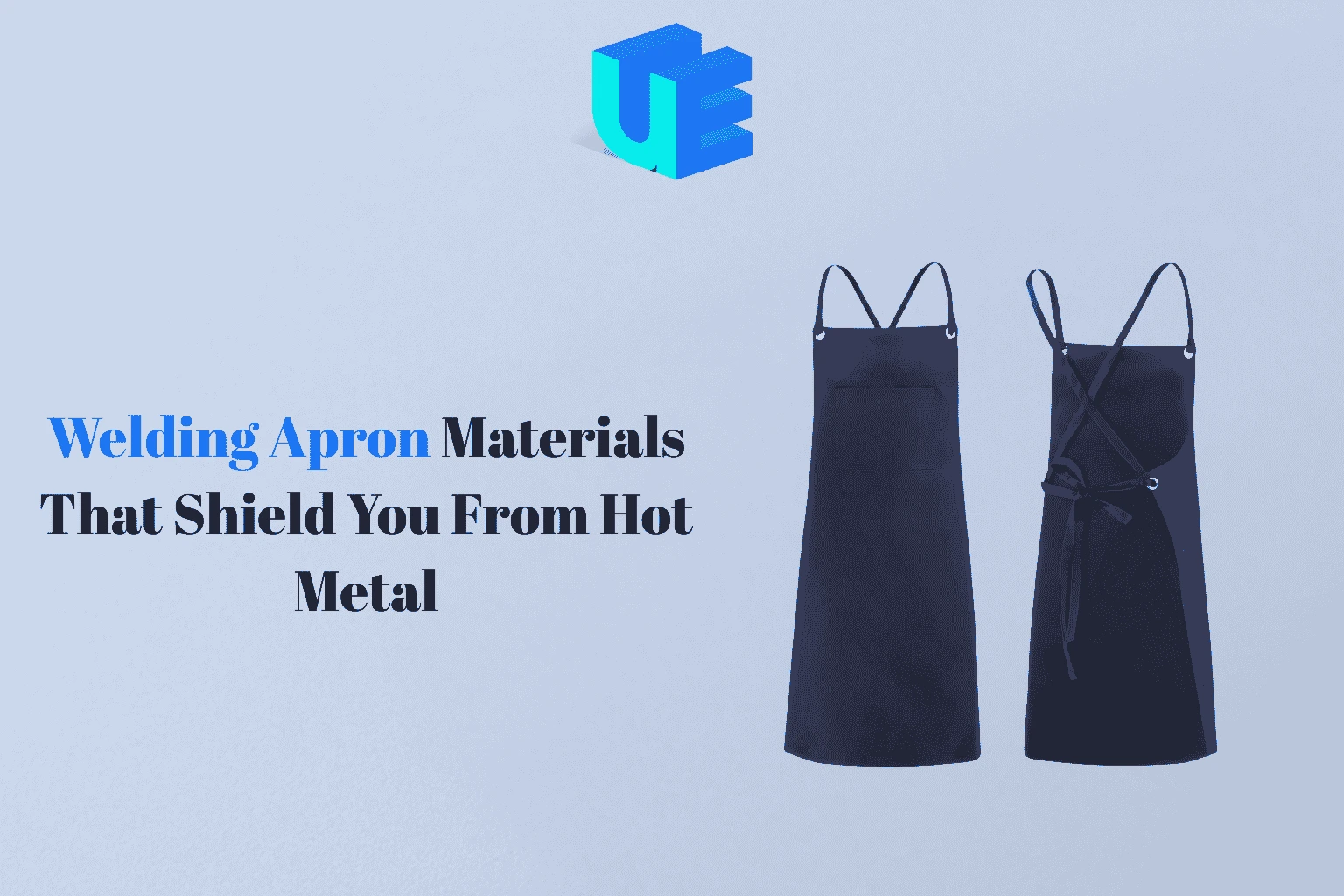
In welding, sparks, molten metal, and heat are constant hazards. Wearing the right welding apron is not optional it’s a critical part of staying safe on the job. Choosing the correct material for your apron can mean the difference between minor spatter and serious burns. This guide provides practical, hands-on insights into welding apron materials, their benefits, limitations, and how to select gear that truly protects.
Whether you’re a seasoned welder, a shop supervisor, or evaluating safety workwear for your team, understanding materials is essential. With the right knowledge, you can reduce injuries, improve comfort, and extend the life of your apron.
Why Welding Aprons Matter
A welding apron protects more than your torso. It shields against:
- Sparks and molten spatter
- UV and infrared radiation
- Accidental contact with hot metal
- Minor abrasions from tools or metal edges
Even small sparks can cause serious burns if your apron is made from the wrong material. Proper welding safety apparel works as your first line of defense.
Key Welding Apron Materials
Understanding material properties helps you make an informed decision. The most common welding apron materials include:
- Leather
Leather is the gold standard for heavy-duty welding protection.
Benefits:
- Excellent heat and spark resistance
- Durable and long-lasting
- Provides abrasion protection
Limitations:
- Can be heavy for long shifts
- Requires proper maintenance to prevent drying or cracking
Pro tip: Full-grain leather aprons with reinforced stitching are ideal for MIG, stick, and TIG welding where sparks are frequent.
- Split Leather
Split leather is lighter than full-grain leather but slightly less durable.
Benefits:
- Lighter weight, more mobility
- Effective against moderate sparks and heat
Limitations:
- Less resistant to deep burns
- May wear faster than full-grain leather
Use case: Workshops that require mobility over maximum protection, like light fabrication or assembly welding.
- Canvas (FR-Treated)
Canvas aprons treated with flame-resistant chemicals are popular for light welding tasks.
Benefits:
- Lightweight and breathable
- Comfortable for long shifts
- Cost-effective
Limitations:
- Less resistant to high-intensity sparks
- Treatment can wear off after repeated washes
Pro tip: Pair canvas FR aprons with other protective gear like gloves and jackets for layered protection.
- Denim (FR-Treated)
Denim aprons offer moderate protection with high comfort.
Benefits:
- Comfortable and flexible
- Breathable
- Affordable
Limitations:
- Protection limited to light spatter
- Not ideal for high-intensity welding jobs
Best use: Ideal for training environments or tasks with minimal spark exposure
- Specialty Fabrics (Kevlar, Nomex)
Advanced fabrics are used in high-end aprons designed for extreme conditions.
Benefits:
- High heat resistance
- Lightweight compared to leather
- Flame-resistant without chemical treatments
Limitations:
- Expensive
- Less abrasion resistance than leather
Use case: High-temperature welding or industries requiring strict fire-safety compliance.
Popular Welding Apron Styles
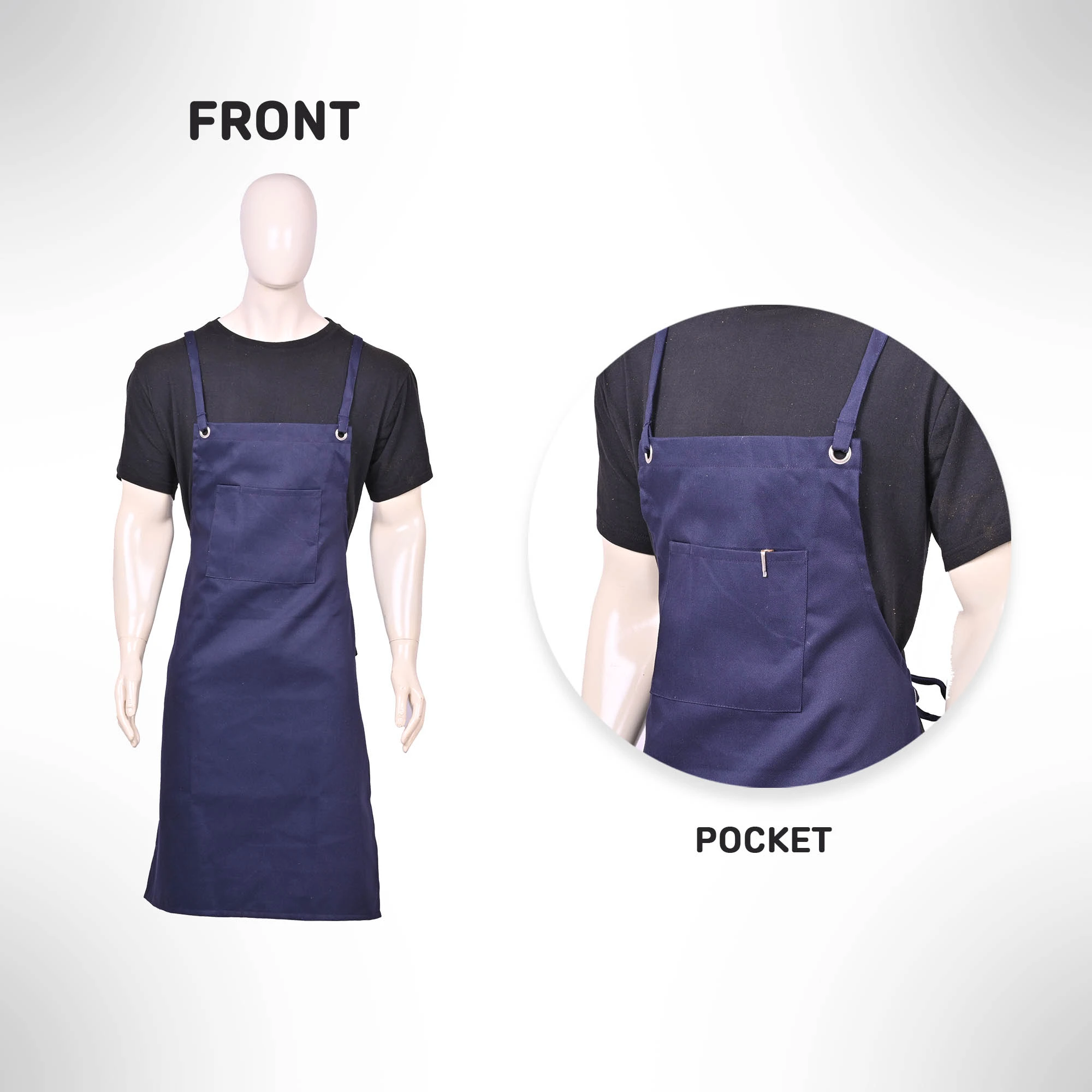
Blue FR Welding Apron with Grommets
A practical choice for professional welders.
Benefits:
- Grommets allow easy adjustment and ventilation
- FR fabric ensures sparks don’t ignite the apron
- Lightweight and durable for daily use
Why it matters: This apron style balances comfort with safety, making it ideal for long shifts and continuous welding.
Full-Length Leather Aprons
- Covers chest to knees
- Ideal for overhead welding
- Provides maximum spark protection
Tip: Full-length aprons work best with complementary safety workwear, like FR jackets and gloves.
Common Mistakes Welders Make With Aprons
- Wearing aprons that are too short or too narrow
- Ignoring proper fit and adjustments
- Using worn or cracked leather
- Failing to layer aprons with additional protective gear
These mistakes are often the cause of preventable burns and injuries on job sites.
Practical Considerations When Choosing a Welding Apron
- Job Type: Heavy fabrication vs. light assembly determines material choice.
- Mobility Needs: Lighter materials improve movement but may reduce protection.
- Environment: Indoor shops may allow lighter aprons; outdoor and high-heat jobs need heavier leather or specialty fabrics.
- Maintenance: Leather requires conditioning; FR fabrics require correct laundering.
Layering Welding Safety Apparel
Your apron works best as part of a full safety system. Combine with:
- FR jackets and sleeves
- Gloves and wrist protection
- Eye protection and helmets
For more guidance on assembling a full protection setup, check out:
👉 Safety Gear That Meets 2026 Standards and Prevents Costly Accidents
Expert Tips for Maximizing Apron Life
- Inspect aprons daily for wear, holes, or burns
- Replace aprons that show significant damage
- Condition leather regularly to prevent cracking
- Avoid synthetic base layers underneath aprons
Proper care keeps aprons effective and extends their lifespan, preventing accidents.
Real-World Use Cases
Fabrication Shop
- Full-grain leather aprons used for MIG welding
- Paired with FR jackets and gloves
- Result: Significant reduction in minor burns
Training Workshop
- FR-treated canvas aprons for new welders
- Lighter weight improves mobility
- Suitable for low-intensity welding tasks
Mobile Welding
- Blue FR Welding Apron with Grommets
- Lightweight, adjustable, and spark-resistant
- Allows mobility on diverse job sites
People Also Asked
Which welding apron material offers the best protection?
Full-grain leather provides the highest defense against sparks, molten metal, and heat.
Are flame-resistant aprons machine washable?
Yes, but always follow the manufacturer’s care instructions to keep their flame resistance intact.
How long can a leather welding apron last?
High-quality leather aprons, when properly maintained, can last several years without losing effectiveness.
Is a full-length apron necessary for every welding job?
Full-length aprons are ideal for overhead welding or heavy sparks; lighter aprons work well for low-intensity tasks.
Customer Testimonials
The Blue FR Welding Apron with Grommets is comfortable yet shields me completely from sparks. Best gear I’ve used.
Leather aprons are heavier, but I’ve avoided burns even on high-intensity welding tasks. Worth every dollar.
Layering my apron with FR jackets and gloves has kept our workshop accident-free for months.
Final Thoughts
Choosing the right welding apron is a matter of understanding your risks, materials, and environment. From heavy leather to FR-treated canvas or specialty fabrics, selecting the right gear prevents burns, injuries, and long-term discomfort.
When paired with proper welding safety apparel, a carefully chosen apron becomes more than a tool—it’s the difference between a safe shift and a costly accident.
About the Author / Editorial Team
This article was written by the Uniqent editorial team, drawing on years of hands-on experience with industrial safety gear, welding safety apparel, and workplace accident prevention. Our goal is to provide practical, actionable advice for welders, supervisors, and safety managers.