

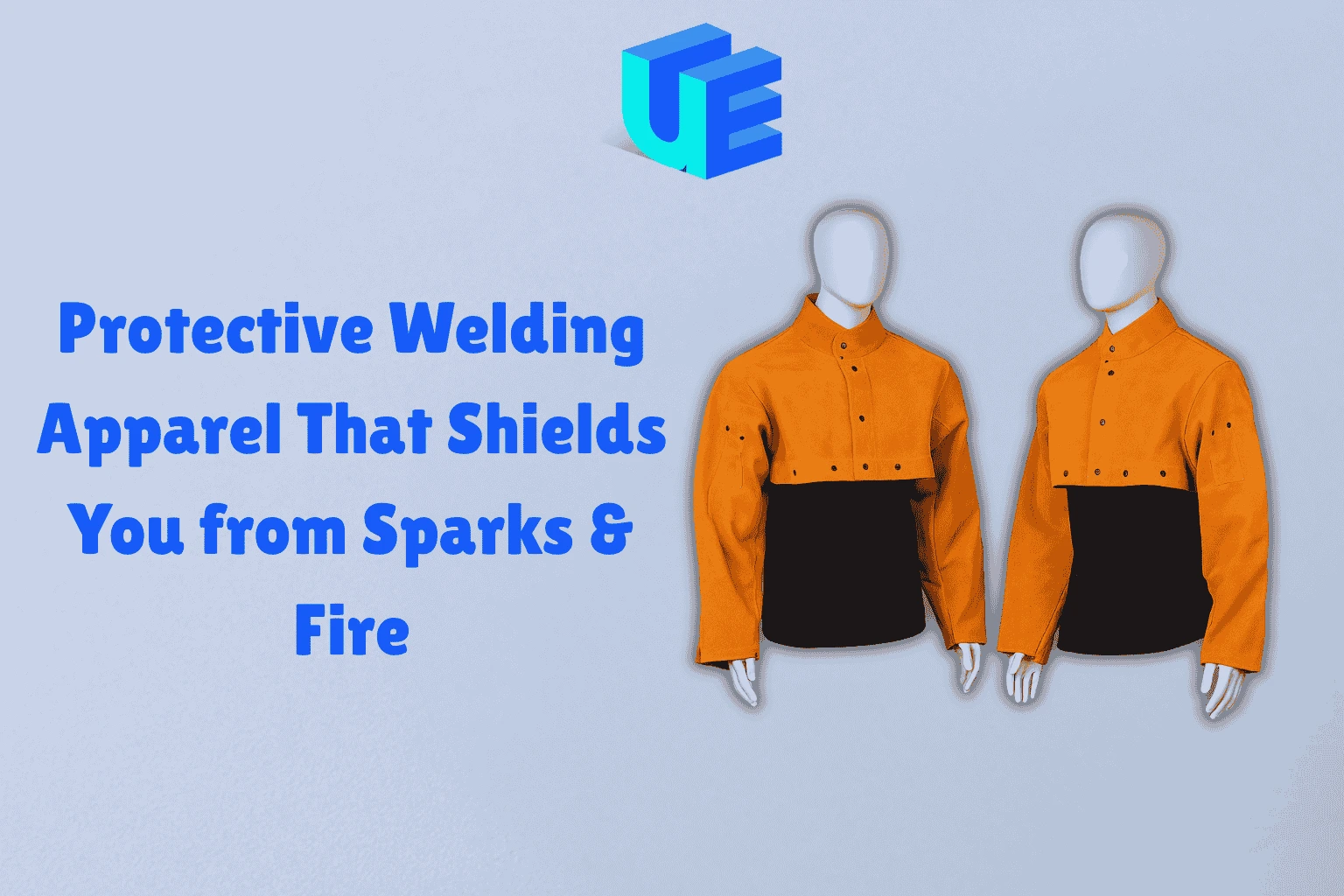
Protective welding apparel is not an accessory—it’s essential safety equipment. Anyone who welds regularly knows how quickly sparks, slag, and radiant heat can cause burns when clothing fails. Even experienced welders suffer preventable injuries when apparel isn’t designed for welding-specific hazards.
Brands like Uniqent focus on producing protective welding apparel that performs in real job conditions. From leather welding apparel to FR chaps and welding jackets, the right gear directly affects safety, productivity, and long-term health.
Choosing the wrong apparel doesn’t just shorten product life—it increases risk.
What Protective Welding Apparel Actually Protects You From
Welding exposes the body to multiple hazards at once. Ordinary workwear cannot handle this combination.
Protective welding apparel is built to defend against:
- Flying sparks and slag
- Molten metal spatter
- Radiant and conductive heat
- Open flame exposure
- Abrasion from metal edges
- Repeated thermal stress
Each garment targets specific risk zones, which is why professional welders rarely rely on a single piece of clothing.
Leather Welding Apparel for High-Heat Applications
Leather welding apparel remains the most trusted option for intense welding tasks. Split cowhide and side leather are commonly used due to their heat resistance and durability.
Leather performs exceptionally well in:
- Stick welding
- Heavy MIG welding
- Structural steel fabrication
- High-spatter environments
Advantages
- Excellent resistance to sparks and molten metal
- Long service life
- Natural thermal barrier
Limitations
- Heavier than fabric alternatives
- Reduced airflow in hot climates
Many professionals combine leather sleeves with lighter jackets to balance protection and comfort.
Welding Jackets That Protect the Core
Welding jackets protect the chest, back, shoulders, and arms—areas most exposed to sparks and spatter.
Common jacket materials include:
- Full leather
- Flame-resistant cotton
- Hybrid leather-sleeve designs
Hybrid jackets are popular because they provide leather protection where sparks land most while allowing breathability through the torso.
For all-day welding, fit and ventilation matter just as much as material.
Welding Sleeves for Targeted Arm Protection
Welding sleeves are ideal when full jackets are unnecessary or restrictive. They offer flexibility while still protecting one of the most vulnerable areas: the arms.
They are commonly used in:
- Bench welding
- Light MIG or TIG welding
- Short-duration tasks
Sleeves are often paired with bibs or aprons for modular protection.
Welding Bibs and Aprons for Front Coverage
Welding bibs protect the chest, abdomen, and upper legs from falling sparks and spatter.
They are especially useful for:
- Seated welding
- Table work
- Grinding and prep tasks
Bibs are easy to remove and layer, making them popular in workshops where welders switch tasks frequently.
Welding Cape Sleeves for Overhead and Vertical Welding
Welding cape sleeves provide extended coverage over the shoulders, neck, upper chest, and arms. This design is critical for overhead welding where sparks fall directly downward.
They are essential for:
- Pipe welding
- Structural steel work
- Vertical welds
Many experienced welders consider cape sleeves non-negotiable for overhead jobs.
FR Chaps for Lower Body Protection
FR chaps protect the thighs and knees without the bulk of full trousers. They are worn over regular work pants and removed quickly when not needed.
FR chaps are ideal for:
- Mobile welding
- Short-duration tasks
- Hot environments
They offer a strong balance between protection and comfort.
Welding Trousers for Full Coverage
Welding trousers provide complete lower-body protection and are often required in industrial environments.
Key features to look for:
- Flame-resistant fabric
- Reinforced stitching
- No external pockets
- No cuffs
Cuffed pants can trap sparks, increasing burn risk.
How to Choose the Right Protective Welding Apparel
Choosing the right gear depends on more than price.
Match Apparel to Welding Type
- TIG welding: Lightweight FR cotton
- MIG welding: FR jacket or sleeves
- Stick welding: Leather welding apparel
- Overhead work: Cape sleeves and bibs
Prioritize Fit and Mobility
Loose clothing increases snag risk. Tight apparel restricts movement. Proper fit reduces fatigue and improves safety.
Balance Heat Protection and Breathability
Leather offers maximum protection but retains heat. FR cotton improves airflow but offers less spatter resistance.
Layering is often the most effective approach.
Protective Welding Apparel vs Regular Workwear
| Feature | Welding Apparel | Regular Clothing |
| Flame resistance | Yes | No |
| Spark protection | High | Minimal |
| Durability | Industrial-grade | Light-duty |
| Safety compliance | Designed for welding | Not compliant |
Regular clothing is one of the leading causes of avoidable welding injuries.
Real-World Use Cases from Professional Welders
Fabricators report fewer minor burns after switching to leather sleeves and bibs. Mobile welders prefer FR chaps for fast setup. Overhead welders consistently rank cape sleeves as essential safety gear.
These insights come from job-site experience—not marketing claims.
Pros and Cons of Protective Welding Apparel
Pros
- Reduces burn injuries
- Improves confidence on the job
- Increases productivity
- Long-term cost savings
Cons
- Higher upfront cost
- Requires maintenance
- Heavier options can cause heat fatigue
The benefits significantly outweigh the drawbacks when safety is the priority.
Care and Maintenance Tips
- Remove slag after each shift
- Do not machine wash leather
- Hang FR garments to dry
- Replace gear with burn-through or seam damage
Proper maintenance extends service life and performance.
Explore Professional Welding Apparel
Browse certified protective options here:
👉 Welding Apparel
Real User Testimonials
M.K. – Fabrication Supervisor
“After upgrading our welding jackets and sleeves, burn complaints dropped immediately.”
Workshop Welder
“Cape sleeves changed how safe overhead jobs feel.”
R.S. – Industrial Contractor
“Leather welding apparel lasts longer and performs better under heat.”
Field Technician
“FR chaps are perfect when you don’t want full pants.”
People Also Ask
What is protective welding apparel used for?
It protects welders from sparks, molten metal, heat, and fire exposure.
Is leather welding apparel better than FR cotton?
Leather offers stronger heat resistance, while FR cotton is lighter and more breathable.
Do welders need FR chaps?
FR chaps protect the legs without wearing full trousers and are ideal for hot environments.
Can welding apparel catch fire?
Certified welding apparel resists ignition and limits flame spread.
How often should welding apparel be replaced?
Replace apparel when holes, burn-through, or seam failure appears.
Author Bio
Uniqent Team
The Uniqent Team specializes in industrial-grade safety solutions designed for real welding environments. With a focus on durability, compliance, and comfort, Uniqent delivers protective welding apparel trusted by professionals across fabrication, construction, and heavy industry.
📞 Phone: +92-21-3453 5456-8
📧 Email: info@uniqent.com