

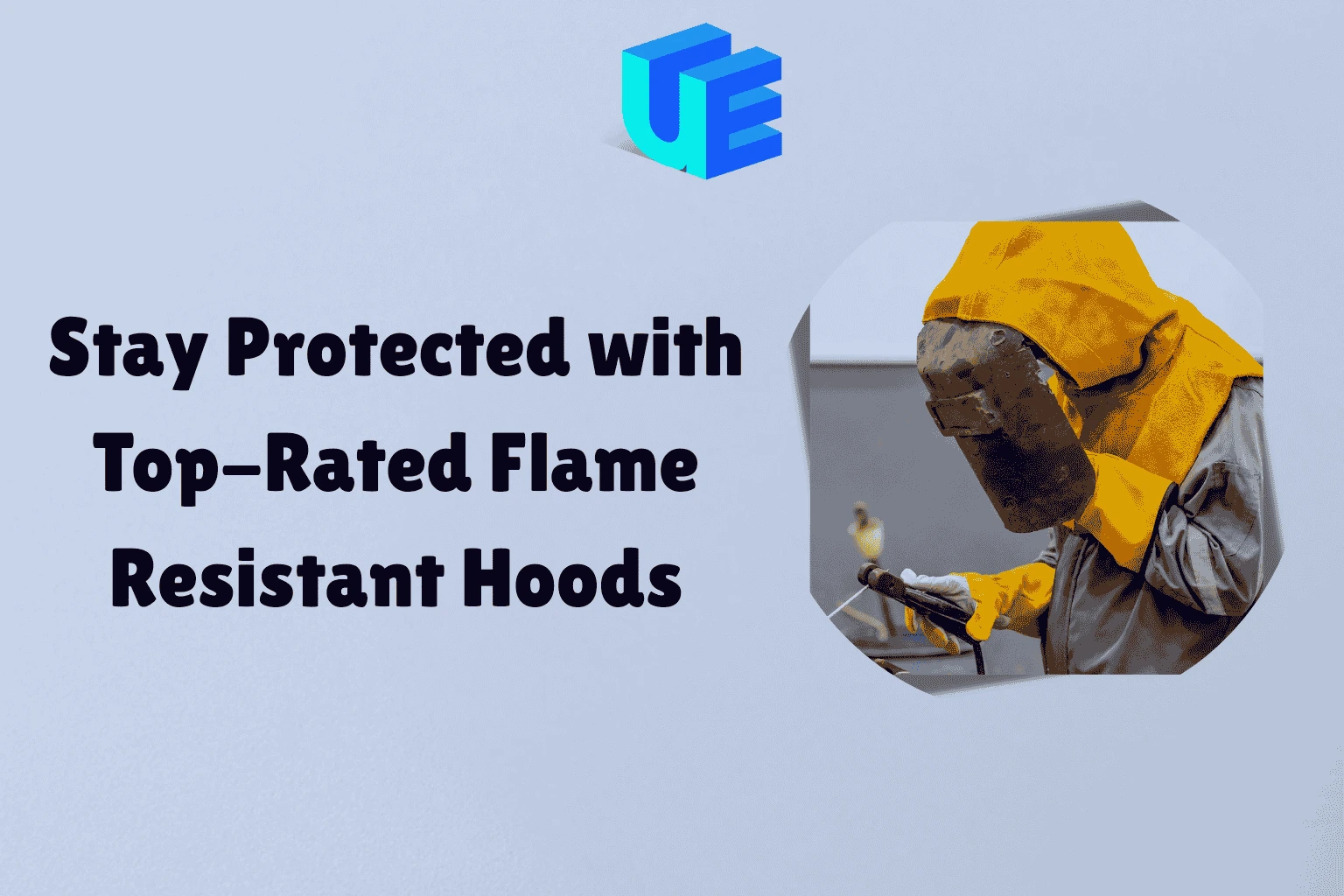
When it comes to welding, cutting, grinding, or working around extreme heat, your safety gear is more than equipment—it’s your lifeline. Among all protective tools, flame resistant hoods stand out as essential for shielding your head, neck, and face from sparks, spatter, radiant heat, and molten metal.
Whether you’re a professional welder, a pipeline worker, or part of an industrial maintenance team, the right FR hood improves comfort, safety, and job performance. This in-depth guide breaks down everything you need to know—types, features, comparisons, real use cases, buying tips, and expert insights.
Understanding Flame Resistant Hoods
Flame resistant hoods, also known as FR hoods or welding hoods, are protective head coverings used in hazardous environments where high heat, sparks, or open flames are present. They’re engineered to resist ignition and prevent melting, dripping, or burning.
Why Workers Depend on FR Hoods
- Protection from sparks and molten splatter
- Coverage for head, neck, ears, and shoulders
- Better comfort during long welding sessions
- Increased job performance with fewer distractions
- Compatibility with helmets and other PPE
Good FR hoods aren’t just made to cover your head—they’re designed to withstand harsh abuse while maintaining breathability and comfort.
Types of Flame Resistant Hoods
1. FR Fabric Hoods
These are made from materials like:
- FR cotton
- Carbon fiber blends
- Nomex®
- Modacrylic
Best For: TIG welding, MIG welding, grinding, and industrial work.
Pros: Lightweight, breathable, stretchable, ideal for long hours.
Cons: Lower resistance to heavy sparks compared to leather.
2. Cow Split Leather Welding Hood
A Cow Split Leather Welding Hood offers robust protection with heavy-duty leather built to survive extreme heat.
Best For:
- Stick welding
- Heavy fabrication
- Foundry work
- Overhead welding
Pros:
- Exceptional heat and spark resistance
- Highly durable and long-lasting
- Ideal for high-temperature environments
Cons:
- Heavier than FR fabric hoods
- Less breathable
This is one of the strongest options among leather welding accessories.
3. Hybrid FR Hoods
A blend of FR fabric and leather:
- Leather top for heat
- Fabric lower for airflow and stretch
These offer balanced performance and comfort.
Why Flame Resistant Hoods Are Essential for Welders
Protection Against Burns
Even small sparks can cause serious injuries. FR hoods prevent:
- Burns
- Heat rash
- Skin irritation
Better Coverage
They protect areas helmets don’t cover:
- Sides of face
- Ears
- Back of neck
- Hairline
Improved Comfort & Focus
Comfort means fewer distractions. Welders can work longer and safer.
Compliance With Safety Standards
Industries often require:
- NFPA 2112
- ASTM F1506
- OSHA welding protection standards
High-quality FR hoods help meet these requirements.
Key Features to Look for in Flame Resistant Hoods
Choosing the right hood depends on your job requirements. Here’s what professionals consider:
1. Heat & Flame Resistance Rating
The material must:
- Self-extinguish
- Not melt or drip
- Withstand high-heat exposure
2. Material Type
- FR fabric → Lightweight, breathable
- Cow split leather → Maximum heat protection
3. Fit & Comfort
A comfortable hood should:
- Fit snugly
- Stretch without restricting
- Wear well under a helmet
4. Stitching & Build Quality
Look for:
- Kevlar stitching
- Reinforced panels
- Strong seams
5. Visibility & Eye Opening
Some welding tasks require wider openings, while others need full coverage.
6. Helmet Compatibility
The hood should pair easily with:
- Welding helmets
- Hard hats
- Face shields
How to Choose the Right Flame Resistant Hood
Here’s a practical selection guide based on your needs:
1) For Light Welding (TIG, MIG)
- FR cotton or modacrylic hood
- Breathability over thickness
- Flexible and stretchable
2) For Heavy Welding (SMAW, Stick)
- Cow split leather hood
- Strong spark and spatter protection
3) For Long Work Shifts
- Focus on comfort and moisture-wicking fabrics
4) For High-Heat Industrial Environments
- Go for heavy-duty leather or hybrid hoods
5) For Workers with All-Day Helmet Use
- Low-profile FR hoods that avoid bulk
How to Use Flame Resistant Hoods Properly
1. Ensure a Snug Fit
Loose fabric can catch sparks or get caught on equipment.
2. Wear Under a Helmet or Mask
The hood should not interfere with your PPE.
3. Keep the Hood Clean
Oil or chemical buildup can reduce flame resistance.
4. Replace When Damaged
Burn holes or loose stitching are safety hazards.
5. Match the Hood to the Task
Never use lightweight FR fabric for heavy stick welding.
Step-by-Step: Proper Hood Layering for Welders
Step 1 — Start With Moisture-Wicking Base Layer
Helps keep sweat away and improve comfort.
Step 2 — Add an FR Hood
Choose the right type based on your task.
Step 3 — Wear Your Welding Helmet
Ensure full coverage of:
- Head
- Neck
- Ears
Step 4 — Secure All Edges
Prevent sparks from entering gaps.
Step 5 — Inspect Frequently
Look for any burn marks or wear.
Benefits of Flame Resistant Hoods
1. Superior Heat Protection
Made for high-temperature environments.
2. Complete Coverage
Areas not protected by your helmet are shielded.
3. Enhanced Comfort
Reduces distractions and enhances focus.
4. Better Productivity
Comfort + safety = improved output.
5. Long-Term Durability
Especially for leather welding accessories like split leather hoods.
Potential Drawbacks (And Their Solutions)
1. Heat Buildup
Solution: Choose breathable FR fabrics for moderate welding.
2. Limited Vision
Solution: Opt for adjustable eye openings.
3. Weight of Leather Hoods
Solution: Use leather only for high-intensity work.
4. Sweat Accumulation
Solution: Wear a moisture-wicking underlayer.
Use Cases for Flame Resistant Hoods
Welding
Stick, MIG, TIG, flux-core—each exposes you to heat and sparks.
Foundry Work
Protects against molten metal splash.
Industrial Manufacturing
FR hoods reduce burn hazards in high-heat machinery areas.
Automotive & Fabrication
Shields during cutting, grinding, and welding.
Oil & Gas Operations
Exposure to flammable vapors and high heat requires FR gear.
Real Examples from Field Welders
- Pipeline welders prefer leather welding hoods for overhead welding.
- Fabricators working indoors use FR balaclavas for breathability.
- Foundry workers require full leather face coverage for molten splash protection.
- Construction welders rely on hybrid FR hoods for flexibility with helmets.
Internal Link (Apparel Category)
For more protective gear and leather welding accessories, explore:
Real User Testimonials
⭐ “The cow split leather hood is unbelievably durable. Perfect for my heavy stick welding jobs.” – R.K., Fabricator
⭐ “FR hoods make long shifts so much easier. Great breathability and full coverage.” – A.M., Industrial Welder
⭐ “I pair my FR hood with a hard hat daily. Comfortable and reliable protection.” – S.S., Construction Worker
⭐ “Best leather welding accessories I’ve used. Excellent heat resistance.” – M.Q., Shop Supervisor
People Also Ask (FAQs)
1. What are flame resistant hoods used for?
They protect workers from sparks, heat, and molten metal during welding and industrial tasks.
2. Are cow split leather welding hoods good for heavy welding?
Yes, they offer maximum heat and spark resistance, ideal for high-temperature environments.
3. Can FR hoods be worn under welding helmets?
Absolutely—FR hoods are designed to fit comfortably beneath helmets and face shields.
4. Are FR fabric hoods safe for stick welding?
FR fabric is better for light to moderate welding, while stick welding is safer with leather hoods.
5. How long do flame resistant hoods last?
With proper care, FR hoods can last months to years depending on frequency and intensity of use.
6. Can I wash FR hoods?
Yes, but follow the manufacturer’s instructions to preserve flame resistance.
7. Are FR hoods comfortable for long shifts?
Lightweight FR fabric hoods are ideal for extended work hours due to better breathability.
Conclusion
Whether you’re welding, cutting, grinding, or working in high-heat industrial environments, flame resistant hoods are essential for your safety. With multiple options—from lightweight FR hoods to rugged Cow Split Leather Welding Hoods—you can choose gear that balances comfort, durability, and maximum heat protection.
By understanding the advantages, proper usage, and key differences between hood types, you can stay safe and productive even in the toughest conditions.
Author Bio
Uniqent Team
The Uniqent Team specializes in high-quality industrial safety gear, including FR apparel and leather welding accessories. With years of experience serving welders, fabricators, and industrial workers, their mission is to provide reliable protection, expert guidance, and trusted performance on every job site.