

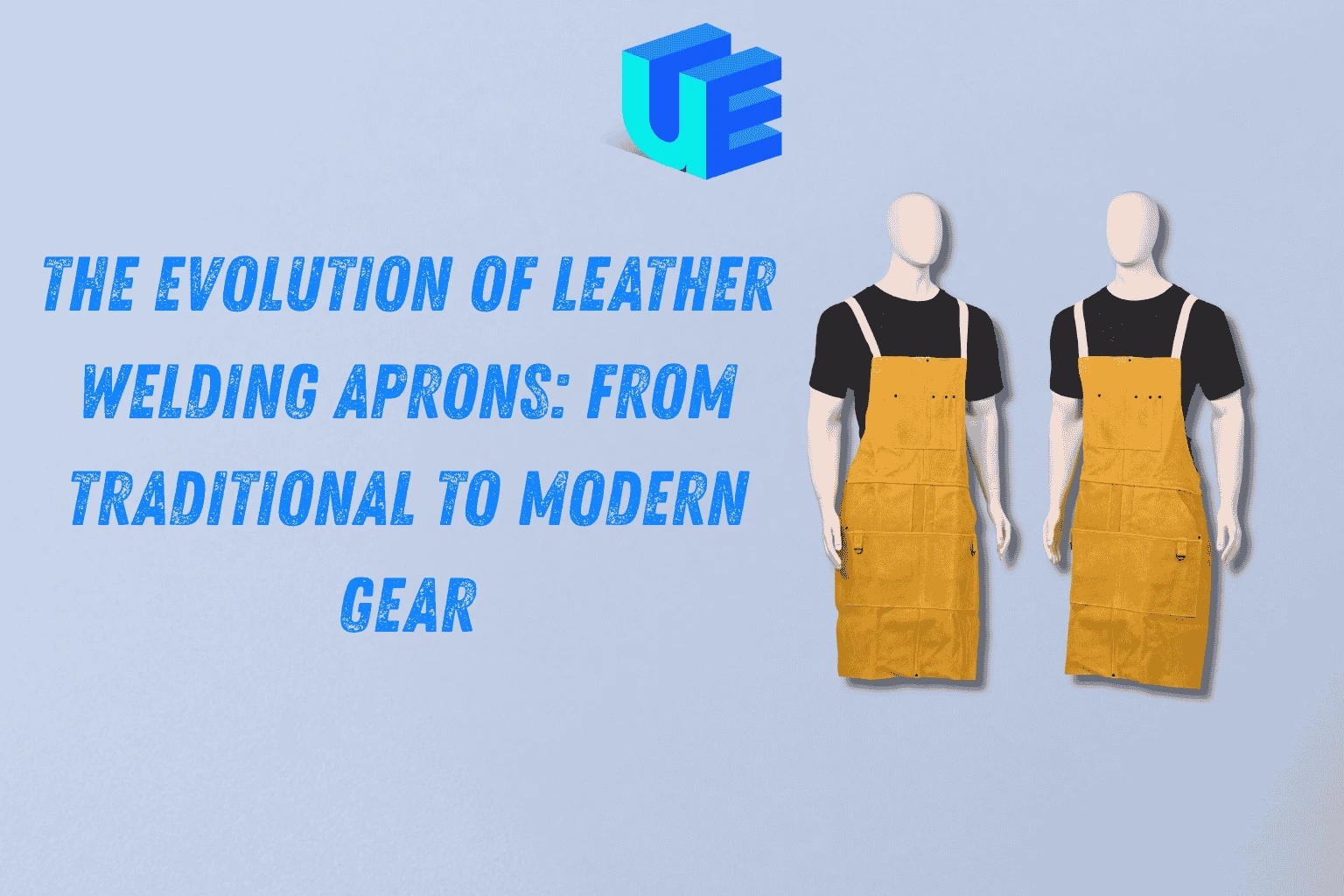
When it comes to safety in welding, nothing is more iconic than the leather welding apron. It has been a trusted piece of protective gear for generations, shielding welders from sparks, spatter, and heat. But just like welding techniques have evolved, so has the gear. Today’s welding aprons are not the stiff, heavy garments of the past—they are designed with comfort, durability, and mobility in mind.
At Uniqent, we take pride in offering not just any welding apparel but carefully crafted solutions built by experts who understand the demands of real job sites. Whether you’re a professional welder in heavy industry or a hobbyist working in your garage, our leather welding aprons combine traditional craftsmanship with modern design innovations you can trust.
Why Leather Welding Aprons Still Matter
You might wonder: with all the new materials available, why stick with leather? The answer is simple—leather remains unmatched when it comes to heat resistance, durability, and long-term protection.
- Heat Resistance: Leather can withstand high temperatures without melting or burning, making it ideal for welding.
- Durability: Unlike synthetic fabrics, a well-made leather apron lasts for years.
- Protection: It shields not just your torso but often your upper legs, giving welders confidence to work safely.
Even as welding apparel has become lighter and more ergonomic, leather remains the gold standard for heavy-duty jobs.
From Traditional Gear to Fresh Welder Apparel
Back in the day, welding aprons were bulky and restrictive. Welders often sacrificed comfort for safety, wearing gear that was hot, stiff, and difficult to move in. Fast forward to today, and the industry has transformed.
Modern leather welding aprons strike the perfect balance between protection and flexibility. With adjustable straps, reinforced stitching, and lighter cuts, today’s aprons are easier to wear for long shifts. They’re also designed with pockets and smart layouts so welders can keep tools within reach.
This shift reflects a broader trend in fresh welder apparel—gear that doesn’t just protect, but also enhances performance by keeping welders comfortable, efficient, and safe.
Key Features of a Quality Leather Welding Apron
If you’re looking for your next apron, here’s what to consider:
- Leather Quality – Full-grain or split cowhide leather provides excellent durability.
- Design & Coverage – Aprons come in bib style for chest-to-knee coverage or full-length designs for maximum protection.
- Adjustable Fit – Cross-back straps reduce neck strain, and adjustable buckles ensure a secure fit.
- Stitching & Reinforcements – Heavy-duty Kevlar® stitching improves strength and longevity.
- Extra Protection Options – Pairing your apron with leather welding arm sleeves can create full upper-body protection.
When you choose Uniqent, you’re choosing apparel designed by people who understand the risks welders face—and who know how to minimize them with smart gear.
Leather Welding Apron vs. Other Welding Apparel
It’s worth comparing aprons with other protective gear:
- Welding Jackets – Great for full upper-body coverage, but heavier and warmer.
- Welding Sleeves – Perfect for flexibility and arm protection but don’t protect the torso.
- Welding Bibs – Useful for extended leg coverage, though not always necessary for every job.
A leather welding apron sits in the middle—it offers excellent torso and leg protection without the bulk of a jacket. For many welders, it’s the perfect balance.
Why Choose Uniqent?
At Uniqent, we’re not just suppliers—we’re partners in safety. Our commitment to quality comes from years of experience in industrial apparel, gloves, and protective gear. Customers trust us because:
- We use premium materials that meet industry standards.
- Our products are designed with input from real welders.
- We emphasize comfort without compromising protection.
- We stand behind our gear with dependable customer service.
Want to explore more of our expertise in protective gear? Check out our in-depth resource: The Ultimate Guide to Leather Work Gloves.
FAQs about Leather Welding Aprons
Q1: Are leather welding aprons heavy to wear all day?
Not anymore. Modern designs are much lighter, with ergonomic straps that distribute weight evenly for all-day comfort.
Q2: Can I pair a leather apron with other gear?
Absolutely. Many welders combine aprons with leather welding arm sleeves or gloves for complete coverage.
Q3: How do I clean and maintain my leather welding apron?
Avoid water soaking. Instead, use a damp cloth to wipe away dirt and apply leather conditioner occasionally to keep it flexible.
Q4: What’s the difference between a leather apron and synthetic alternatives?
Synthetic aprons may feel lighter but don’t offer the same heat resistance and durability as genuine leather.
Customer Testimonials
David R. Fabrication Shop Owner – I’ve tried cheaper aprons but nothing lasts like my Uniqent leather welding apron. Tough, comfortable, and worth every penny.
Maria S. Industrial Welder – I wear my apron during long shifts and the cross-back straps make a huge difference. No more neck strain.
Jason P. Hobby Welder – For weekend welding, I value gear that feels professional. My Uniqent apron provides confidence and reliable protection.
Final Thoughts
The leather welding apron has come a long way—from a stiff, uncomfortable necessity to a refined piece of gear that welders actually enjoy wearing. With today’s innovations in welding aprons, fresh welder apparel, and leather welding arm sleeves, there’s no reason to compromise on either safety or comfort.
Best welding accessories: How to Choose the Best Welding Accessories for Industrial Jobsites
At Uniqent, we’re proud to supply protective gear that welders trust, built on expertise, craftsmanship, and real-world testing. If you’re ready to upgrade your welding apparel, a high-quality leather welding apron is one of the smartest investments you can make.